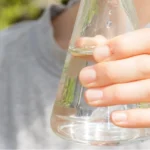

Why Safe Drinking Water Is Essential
Having a reliable source of safe drinking water brings peace of mind. Studies highlight its vital role in keeping people of all ages healthy. It supports our bodies and protects communities from harmful contaminants.
This resource is key to maintaining a healthy lifestyle through proper hydration. It’s essential for our daily well-being.
Public Health Considerations
Government agencies, like the Centers for Disease Control and Prevention, watch for threats to public health. They enforce strict rules to reduce exposure to harmful substances. This helps keep communities safe from dangerous chemicals and bacteria.
Community resources provide information on how contaminants affect different groups. They help families understand the risks.
Everyday Implications for Residents
Access to safe drinking water is vital for daily life. It affects how we prepare meals and protect our loved ones. Simple tasks like handwashing and caring for infants become safer with quality water.
Monitoring water quality at home is important. It helps detect changes and ensures our well-being. Staying informed creates a safer environment for everyone.
Many families use tap water for rinsing vegetables and mixing infant formula. Checking consumer reports can alert us to changes in taste or odor. This information helps us make better choices if contaminants are present.
Local agencies’ consistent oversight builds trust in the water system. Knowledge empowers residents to act quickly when concerns arise.
What to Know About Tap Water in Columbus
Many residents in Columbus depend on public systems for their drinking and cooking needs. The city’s water sources include local reservoirs and rivers. These are regularly tested for contaminants, ensuring compliance with municipal water regulations. This process keeps the community informed about the safety and quality of their water.
Municipal Water Source Overview
The City of Columbus operates several facilities that tap into the region’s landscapes for water. Each facility undergoes rigorous sampling and purification steps. These steps are designed to eliminate impurities, ensuring the water is clean and safe for consumption.
The purification process includes filtration to remove debris. It also involves advanced treatments to enhance the water’s taste. This multi-step approach ensures the water meets high standards of quality.
Compliance with State Regulations
Public utilities in Columbus work closely with Ohio EPA regulations to ensure water safety. They conduct regular monitoring for contaminants like lead and nitrates. This proactive approach helps maintain trust among residents.
When levels of these contaminants exceed acceptable limits, alerts are issued. This allows for swift action and transparency. It ensures that any issues are addressed promptly, keeping the water supply safe for everyone.
Test Parameter | Reason for Monitoring | Frequency |
Turbidity | Checks clarity for safe usage | Daily |
Nitrates | Prevents harmful concentrations | Monthly |
Lead Sampling | Protects against possible toxicity | Varies by site |
How the Water Treatment Process Works
Local experts employ a variety of water treatment methods to ensure a steady supply for homes and businesses. This process aims to eliminate harmful substances while retaining vital minerals. These minerals are essential for keeping water safe and enjoyable to drink.
First, incoming water undergoes screening stages, a critical part of many treatment methods. These stages capture sand, silt, and other particles. Next, refined filters tackle finer contaminants, leaving behind clear water. This water then undergoes further adjustments. Specialized monitors check its clarity and chemical balance.
Filtration Steps
Facilities use approved disinfectants like chlorine to combat harmful bacteria. These measures safeguard against common pathogens and maintain a stable environment during transport. Before moving forward, safe levels are verified. This ensures each step in the distribution system remains free from microbial threats.
Use of Disinfectants
The distribution system consists of miles of pipes connecting treatment centers to homes. Regular checks detect leaks or drops in pressure, ensuring efficient delivery. Each household tap benefits from layered protection, upholding consistent quality.
Distribution to Households
Common Contaminants Monitored in Columbus
In Columbus, routine checks examine a wide range of substances that might influence water quality. E. coli tests focus on bacterial safety, while nitrate levels remain under watch because of farm runoff. Rust and minerals may alter taste or color but rarely pose a serious risk when addressed properly.
Lead contamination receives careful scrutiny due to aging infrastructure and pipe materials. PFAS chemicals stand at the forefront of emerging concerns linked to industrial origins. Labs conduct extensive sampling, verifying that any detectable amounts remain below regulated guidelines. This proactive approach protects residents from possible health impacts.
Below is an overview of key contaminants and how they are tracked:
Substance | Possible Source | Focus of Monitoring |
E. coli | Animal waste | Ensures microbial safety |
Lead | Older pipes | Checks plumbing and distribution lines |
PFAS | Industrial runoff | Examines emerging contaminants |
Nitrates | Agricultural fertilizers | Maintains safe concentration limits |
Reading the Local Water Quality Report
Knowing the facts about tap safety empowers families to make informed decisions. The Columbus water quality report offers a detailed look at current findings, treatment steps, and outcomes. It reveals how local utilities address water supply issues.
Consumer confidence reports provide insights into any challenges or progress. These documents detail test results for substances like lead or nitrates. They serve as a clear record of compliance with environmental regulations.
Where to Find Official Data
Major cities often publish official data on their public utilities websites. Local health departments also store archives with annual updates for easy access.
Interpreting Key Metrics
Common terms and acronyms reflect accepted contamination levels from state and federal agencies. By examining tables that track percentages or parts per billion, you can gauge the water system’s adherence to safety standards.
Potential Health Concerns and Precautions
In Columbus, some people worry about their tap water quality. Most sources pass safety tests, but some families make small changes. They check local advisories and weigh the risks.
Vulnerable Populations
The elderly, infants, and those with weakened immune systems are at higher risk. Keeping an eye on local water alerts helps them make better choices. Simple actions, like letting the tap run before use, can reduce exposure to harmful substances. Consulting with healthcare professionals can also provide reassurance.
When to Use Additional Filtration
Even treated water can contain residues from older pipes or other contaminants. Many families choose home filtration systems for extra safety. Options range from NSF-certified units to simple pitcher filters. Those with private wells might test their water more frequently. Being mindful of these precautions can make tap water safer.
Proactive Measures to Improve Home Water Quality
Lead pipes are a widespread issue across the nation. President Joe Biden has set a 10-year goal to replace up to nine million hazardous lines. This effort aims to lower lead thresholds to 10 parts per billion, with over $15 billion in federal funding dedicated to safer connections.
Switching out old faucets and pipes is essential for effective corrosion control. Regular maintenance of household water includes inspecting plumbing for damage or buildup. Such issues can impact taste and safety.
Faucet aerators require attention as well. Rinsing and soaking them in white vinegar can remove debris, preventing blockages. These simple steps help prevent harmful particles from staying in the water.
- Unscrew the aerator carefully.
- Rinse each component under running water.
- Soak in vinegar for at least five minutes.
- Scrub with a soft brush to clear residue.
- Rinse again before reattaching.
Water heaters also benefit from regular maintenance. Cleaning and replacing parts on time can reduce rust and odor risks. This ensures the water quality remains safe and clean.
Task | Frequency | Reason |
Replace Lead Fixtures | As Soon as Possible | Eliminate Lead Risks |
Clean Faucet Aerators | Every 1-6 Months | Improve Flow, Corrosion Control |
Water Heater Inspection | Yearly | Prevent Sediment and Bacterial Growth |
Comparing Tap and Bottled Water
In the United States, some people consider the pros and cons of bottled water versus tap water. Tap water is often regulated to meet high safety standards. It undergoes filtration to minimize contaminants.
Cost and Convenience Factors
Tap water can be more cost-effective for households. On the other hand, bottled water, despite its convenience, can be expensive over time. A scientific review highlights the rigorous monitoring of public water systems. This makes tap water a reliable choice for many.
Environmental Considerations
The environmental impact of bottled water is significant due to plastic production and disposal. Discarded bottles contribute to landfill waste, and recycling rates vary. Choosing tap water reduces plastic waste and supports natural habitats. It also decreases energy use for packaging and transportation.
Tap Water | Bottled Water | |
Cost | Low Ongoing Expense | Higher per Bottle |
Convenience | Always On-Tap | Portable, Easy to Grab |
Environmental Impact | Minimal Plastic Use | Added Waste |
Impact of Local Infrastructure on Water Reliability
Every community relies on the upkeep of its water infrastructure. In Columbus, this is taken seriously with ongoing upgrades. These include replacing lead lines and reinforcing aging pipes. Such efforts prevent leaks and reduce contamination risks.
Regular inspections aim to catch hidden issues early, avoiding service disruptions. Modernized mains connect homes and businesses across the city. This ensures safe and reliable access to water. By fortifying its water infrastructure, Columbus boosts its water supply reliability and protects public health.
Local officials work closely with engineers and environmental experts to craft long-term solutions. This collaboration minimizes shutdowns and enhances repair efficiency. Residents enjoy a steady supply of clean water, and businesses operate smoothly without interruptions. Investing in a robust system solidifies Columbus’s reputation for prioritizing water supply reliability.
Improving water lines often involves using advanced materials that resist corrosion and cut down on maintenance costs. Government grants help speed up these upgrades, allowing crews to tackle hazards quickly. This approach lowers the risk of unexpected water main breaks and keeps families safe from sudden disruptions. It brings peace of mind every day.
Seasonal Factors That May Affect Water Taste
Local tap water can experience subtle shifts throughout the year. These variations often stem from changing outdoor conditions, though the water remains safe and clean.
Seasonal taste changes may appear when cold weather introduces tiny air bubbles or a slight haze. Warmer periods bring new flavor notes, which rarely indicate a health concern.
Temperature Variations
When temperatures drop, water pipes may contract, increasing air in the lines. This can create a foggy glass appearance that tends to clear up if left to sit. Slight mineral imbalances might result in a mild shift in flavor, but consistent testing keeps quality in check.
Naturally Occurring Algae
Algae blooms in source waterways sometimes produce an earthy odor. Municipal treatment methods address most of this, leaving only a faint taste at times. Chilling water reduces any lingering flavor or fragrance, providing reassurance for those who enjoy a crisp glass of water at home.
Indicator | Possible Cause | Suggested Step |
Cloudiness | Cooler Weather | Let the water stand to see if it clears |
Earthy Taste | Algae Blooms | Store water in the fridge for a fresher taste |
Tips for Staying Informed About Municipal Updates
Keeping up with water quality changes builds trust in municipal services. Residents who monitor drinking water advisories receive early warnings about supply issues. Regular updates ensure households are ready, protecting health and peace of mind.
Subscribing to Alerts
Signing up for city notifications is a reliable way to stay informed. Agencies like the Ohio EPA and local health departments send alerts on water disruptions or planned work. Email and text systems provide timely updates, reinforcing trust in municipal oversight.
Engaging with Community Resources
Some turn to community resources for updates. Social media groups and local forums share news about water main repairs. This ensures everyone is informed. Participating in these channels connects residents with solutions and fosters a sense of responsibility.
Access to community resources empowers families to take action during drinking water advisories. Engaging with this information strengthens collaboration between residents, local authorities, and health officials.
Communication Channel | Key Benefit |
Phone Notifications | Timely warnings on water service changes |
City Website | Detailed announcements and official statements |
Local Forums | Quick updates from neighbors and volunteer groups |
A Concluding Perspective on Columbus’ Water
Columbus stands out for its commitment to water safety. Its advanced treatment system and rigorous oversight ensure tap water quality. Yet, individual vigilance remains critical.
Staying informed about local water quality and taking simple steps at home is key. By doing so, we contribute to a healthier community. This collective effort builds a culture of responsibility.
The city’s proactive water management is evident. Continuous testing, quick alerts, and pipeline upgrades are ongoing. With everyone’s help, Columbus can maintain safe tap water for the future.