The Relationship Between Water Quality and the Well-being of Wetland Ecosystems
- Published:
- Updated: December 16, 2024
Listen to this article
Summary
Water quality is paramount for the well-being of wetland ecosystems, which are vital for biodiversity and environmental health. Poor water quality can lead to declining biodiversity, changes in ecosystem structure, and loss of ecosystem function, underscoring the importance of maintaining high water quality in wetlands.
- Wetlands act as "kidneys of the landscape," filtering pollutants and providing habitats for diverse wildlife.
- Water quality affects wetland health, impacting biodiversity, ecosystem structure, and function.
- Monitoring, regulation, and community engagement are essential for protecting water quality in wetlands and preserving these critical ecosystems.
Wetlands are essential elements of Earth’s biodiversity and fundamental to the functioning of our planet. These environments are in direct relation to the quality of water they are nourished by. To save and conserve these vital ecosystems, the connection between water quality and wetlands health needs to be grasped.

What are Wetlands?
Wetlands are land masses covered by water at least once a year or for several seasons. They are found worldwide and they can cover an area of a few square metres or millions of square kilometres. Our wetlands are vital to our ecological stability and we call them the "kidneys of the landscape." Not only do they remove pollutants and excess nutrients from the water, they also host many wildlife species.
Wetlands are amazing assemblages, housing many kinds of plants, birds, reptiles, amphibians, mammals and insects. They’re also essential to the wellbeing of the local rivers, lakes and oceans, as they maintain water quality and dampen floods and droughts. Wetlands also help to trap carbon by holding so much of it in their soils and vegetation.
Why is water quality important for wetlands?

Water quality is one of the most important indicators for the health and wellbeing of wetlands. Water quality reaches into wetlands directly, and bad water can lead to a variety of undesirable effects, such as:
Reduced biodiversity: Declining biodiversity is a consequence of poor water quality because many species of plants and animals cannot survive in the polluted water. This could leave wildlife habitat and the ecosystem at low health.
Changes in ecosystem structure: A lack of adequate water quality can also lead to structural change in wetland ecosystems — some plants and animals might overtake, others disappear. The resulting loss of equilibrium and resilience can leave the ecosystem unprepared for floods and droughts.
Emission of ecosystem function: Emission of ecosystem function can also be caused by poor water quality as wetlands can no longer fulfill their important function of filtering out contaminants and excess nutrients from the water. It can lead to higher pollution in local rivers, lakes and oceans and can be harmful to those ecosystems.
If we’re going to maintain the health and wellbeing of wetland ecosystems, we must make sure water quality is high. That’s done by regulation, surveillance and public participation.
The Role of Water Testing in Protecting Wetlands
Water sampling can be used to measure and preserve wetlands water quality. It is possible to detect potentially polluting elements in the water of these ecosystems and do something about them early before they become a problem. It can take many forms such as chemical measurement, biological observation and physical observations.
Also, water testing will allow us to see if water quality varies over time, which can tell us a lot about the wellbeing of wetlands. It can then be applied to manage and conserve it, and to devise plans for the protection of these vital ecosystems.
The Importance of Wetlands for Biodiversity
Wetlands are incredibly important habitats for a wide range of species, including plants, animals, and microorganisms. They provide critical habitat for many species of migratory birds, as well as a range of other animals, such as reptiles, amphibians, and mammals. This diversity of species is a result of the unique combination of water, soil, and vegetation that is found in wetlands.
In addition, wetlands also play an important role in supporting the overall health of ecosystems. They act as a "sink" for excess nutrients and other pollutants, filtering and purifying water as it flows through the ecosystem. They also provide important ecosystem services, such as water storage and flood control, which can help to reduce the impacts of natural disasters and protect human communities from the effects of extreme weather.
The Causes of Poor Water Quality in Wetlands
There are many factors that can contribute to poor water quality in wetlands, including:
- Agricultural runoff: Agricultural runoff is one of the main causes of poor water quality in wetlands. This runoff can contain a range of pollutants, including excess nutrients, pesticides, and other chemicals, which can have a negative impact on the health of these ecosystems. Agricultural runoff can result from a variety of activities, including the use of fertilizers and pesticides, and the management of livestock.
- Industrial discharge: Industrial discharge is another major cause of poor water quality in wetlands. Industries such as mining, manufacturing, and energy production can release pollutants into waterways, which can then flow into wetlands and contaminate the water. These pollutants can include heavy metals, chemicals, and other toxic substances, which can have a serious impact on the health of wetland ecosystems.
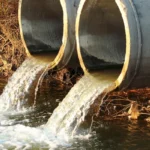
- Sewage discharge: Sewage discharge is another important factor that can contribute to poor water quality in wetlands. Sewage can contain a range of pathogens and chemicals, including bacteria, viruses, and nutrients, which can be harmful to wetland ecosystems. In addition, sewage discharge can also result in excess nutrients in the water, which can lead to the growth of harmful algal blooms and the decline of aquatic plants and animals.
- Climate change: Climate change is another major factor that can contribute to poor water quality in wetlands. Changes in precipitation patterns, rising temperatures, and sea level rise can all have an impact on the health of wetland ecosystems. For example, rising sea levels can result in saltwater intrusion into freshwater wetlands, which can have a serious impact on the health of these ecosystems.
The Role of Wetlands in Climate Change Mitigation
Wetlands also play an important role in mitigating the effects of climate change. They store large amounts of carbon in the form of peat, which is a type of soil made up of partially decomposed plant material. When wetland ecosystems are degraded or destroyed, this stored carbon is released into the atmosphere, contributing to the buildup of greenhouse gases and the acceleration of climate change.
In addition, wetlands also act as "sinks" for carbon dioxide, absorbing and storing this gas from the atmosphere. This process is known as carbon sequestration, and it is an important mechanism for mitigating the effects of climate change. By preserving and protecting wetlands, it is possible to help slow the pace of climate change and reduce its impact on the environment and human communities.
https://olympianwatertesting.com/the-vital-link-between-water-quality-and-the-well-being-of-aquatic-ecosystems/Share this on social media:
Facebook
Twitter
LinkedIn

Related Posts