Where We Stand: NYC's Progress in Removing Lead from Drinking Water
- Published:
- Updated: December 16, 2024
Listen to this article
Summary
Discover how New York City is tackling lead contamination in its drinking water. Learn about the dangers of lead, historical challenges, recent regulations, key initiatives, and steps every New Yorker can take to ensure safer water.
- The Lead Threat: Unveil the health risks associated with lead contamination, especially for vulnerable populations.
- Historical Context: Explore NYC’s legacy of lead plumbing and the evolution of regulations to address water quality concerns.
- Key Initiatives: Discover NYC’s aggressive lead service line replacement programs, educational campaigns, and technological advancements.

Good water is a human right, and how good it is affects our health and wellbeing. But cities, New York City and other large cities have suffered from endemic lead poisoning for decades. New York is a big city with an infrastructure that’s old, and the water there is in particular challenging.
The Dangers of Lead in Drinking Water
Ingestions of lead even in tiny doses are toxic to human health. Especially severe neurological and physiological abnormalities can occur as the result of chronic lead exposure. Young children, pregnant women and the elderly are especially vulnerable. Kids who are exposed to lead will be affected by developmental delays, learning disabilities, stunted growth and other conditions.
The lead in our drinking water is actually the product of plumbing materials in old infrastructure. PVC pipe, solder and fittings formerly used lead, which eventually corrode and dissipate lead into the water. Because we know how dangerous drinking water contaminated with lead can be, it’s more important than ever to address the contamination.
A Historical Overview: Lead in NYC's Drinking Water

The history of New York City also included its plumbing with lead. For decades, the city’s sprawling, extensive underground network, designed at a time when the risks of lead weren’t understood, was a mine of contamination. Lead pipes had been an inescapable part of the city’s construction as it expanded and modernised, particularly in older neighbourhoods.
Data gathered over decades about lead in New York City water have, on occasion, offered a worrying picture. When neighbourhoods found above-normal numbers, city authorities and agencies intervened. These types of historical records are not just an index of a time that’s been hard to deal with, but are also a reminder that you should always be looking and taking preventive steps.
Recent Regulations and Policies
And in the wake of a mounting body of evidence and fear of lead poisoning, federal and state regulatory authorities have taken up the cause. The federal Safe Drinking Water Act was revised to cut the maximum concentration of lead in drinking water. Such amendments were one reason that some cities, such as New York, reexamined and updated their water quality monitoring programs.
On the ground, New York State and its municipalities took a host of steps to combat lead contamination. There is now a regular testing mandate, increased monitoring and immediate enforcement when things go wrong. It’s clear that they care; policies and regulations aren’t reactive anymore, but proactive, keeping New Yorkers safe.
Key Initiatives: What NYC is Doing
There are also several large hurdles: there are so many lead service lines that pass under the city. NYC has been aggressive with lead service line replacement programs where old, rusty pipes get replaced with newer, more safe ones. As part of infrastructure, educational interventions have been launched, with residents. These are campaigns that warn people of the risk of lead, ways to spot it, and how to protect yourself from it.
The digital age is a juggernaut against lead pollution. Modern filters that remove particles of lead, are also being installed more widely throughout the city. Moreover, real-time monitoring and analysis can quickly catch any irregularities in water quality and make necessary corrections in the short time.
Public and Private Partnerships: United for Cleaner Water
Atttacking a problem of this size is collective. Connoisseurs of this, collaborations have erupted between city departments, NGOs and corporations. They all work together to collaborate, combining knowledge, talent and technology for the common good – to bring clean, lead-free water to all New Yorkers.
The example of the power of partnership was the successful partnership between an influential NGO for clean water projects and a tech start-up in NYC. They co-founded a cheap, very efficient filter system that now is in many schools and government facilities, providing water for kids and others to drink.
Challenges in Lead Removal
Even with concerted efforts, NYC’s journey towards completely lead-free water is fraught with challenges. Primarily:
- Aging Infrastructure: Much of the city’s plumbing dates back several decades, making replacement or retrofitting a mammoth task.
- Funding: Comprehensive overhauls require significant financial investment. Balancing budgets while ensuring public health becomes a delicate act.
- Policy Hurdles: While regulations drive action, they also come with bureaucratic red tape that can sometimes slow down projects.
These challenges, although significant, are not insurmountable. With continued focus and collaboration, NYC is steadily navigating its way through them.
Measuring Progress: How We Know We're Making a Difference
The system of monitoring and reporting is extremely rigorous to make sure things are paying off. These systems measure lead in various areas of the city and provide an open audit of how things have improved. The yearly lead reported is down by around 5 ppm over the last 10 years, suggesting that policies are working.
But statistics are just the beginning. There is true success in the testimonials of citizens who now have safer water to drink, and in the trust in which parents place their children into school fountains. These daily wins and encouraging data trends hone in on the future’s bright stars.
Steps Every New Yorker Can Take
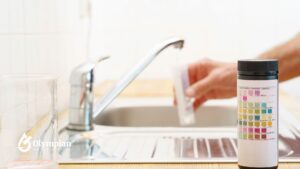
And that it’s up to us as individuals to make sure the water we drink isn’t tainted with lead. For one, you can have your house tested for lead contamination. It’s cheap to get testing kits that give a real picture of water quality right at the source. Additionally:
Be sure to use lead-free certified filters.
Flush your home’s plumbing system regularly if you don’t use it often.
Check for local water quality reports and advisories.
By acting so actively, every New Yorker will play a part in the long-term lead-free city movement.
Share this on social media:
Facebook
Twitter
LinkedIn

Related Posts