The Hazards of Consuming Untreated Surface Water: The Need for Proper Treatment and Purification
- Published:
- Updated: November 25, 2024
Listen to this article
Summary
Surface water, like lakes and rivers, must be treated to remove contaminants for safe consumption. Hazards include gastrointestinal and respiratory illnesses, and long-term health effects. Treatment methods include filtration, disinfection, and adsorption, ensuring water safety and environmental protection. Collaboration is crucial for clean water and sustainable purification methods.

Surface water – lakes, rivers, streams – can be used as drinking water but must be treated and filtered to make it safe. The raw surface water can be loaded with pathogens, chemicals and heavy metals that can be harmful to the environment and human health. The risks of drinking untreated surface water make it crucial to treat and purify this water to keep it safe and test it frequently to catch issues and solve them.
What are the Hazards of Consuming Untreated Surface Water?
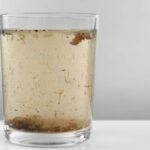
Untreated surface water can also have contaminants and pollutants ranging from bacteria to viruses, chemicals to metals. They can be terribly toxic to health, and include:
Gout: If you drink the polluted water, then you may experience gastro-intestinal illness like diarrhoea, vomiting and abdominal cramping. These diseases are infected with bacteria, viruses and parasites in the water. E coli and Salmonella, for instance, are common gastrointestinal illness that results from water contamination.
Flu and Infective Breath: Water contaminants can also be a source of respiratory disease like pneumonia. Viruses such as Legionella pneumophila, which causes Legionnaires’ disease, exist in water that has been polluted.
Health Long-Term Side Effects: Long term health effects of contaminants in water include liver and kidney damage, as well as some cancers. Heavy metals and industrial pollutants among others can be toxic to the body over time.
The Importance of Proper Treatment and Purification of Surface Water

Surface water needs to be treated and cleaned thoroughly in order to be safe for human consumption. Filtration and disinfection — treatments that destroy or kill unwanted contaminants and pollutants to reduce the risk of disease and long-term adverse health effects.
Proper water treatment and filtration could even decrease the incidence of waterborne pathogens and public health issues. Untreated water is one of the leading causes of death and disease in many developing countries, especially among children. Water Treatment and Purification can help decrease the burden of waterborne diseases and improve overall health.
There is also the matter of environmental conservation by water treatment and purification. Aquatic contaminants and pollutants can harm aquatic life by causing plants and animals to fail to thrive. Removal of these pollutants can also make water treatment and purification systems effective at preserving biodiversity and nature.
Most Effective Treatment and Purification Methods for Surface Water
Various techniques of surface water treatment and purification are available:
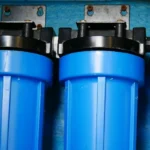
Water Filtration: Filtration is a physical act to extract particles and other pollutants from water (sediment, algae, bacteria etc.). Filtration methods: Sand filtration, gravity filtration, and cartridge filtration.
Infection: The process of disinfection destroys water-borne organisms like bacteria and viruses by chemistry. The most common disinfections are chlorination and ultraviolet light. This is followed by chlorineation (using a little bit of chlorine that kills bacteria and makes the water safe to drink). For UV disinfection, the water is put under UV light which kills the organisms in the water.
Adsorption: Adsorption removes contaminants from water by attaching them to a solid (eg activated carbon). Activated carbon has large surface area, and removes various contaminants such as chemicals, metals, and microorganisms.
Reverse Osmosis: Reverse osmosis removes contaminants from water by forcing it through semipermeable membrane. The membrane let only the clean water, with contaminants left behind. Reverse osmosis works great for de-salting, minerals, and other contaminants in water.
Ion Exchange: Ion exchange is an exchange of charged particles called ions from water. The process is usually applied to get specific contaminants, like heavy metals and radioactive isotopes out of water.
Is it Safe to Drink Surface Water without Treatment or Purification?
Surface water should never be drank untreated and purified. Surface water can be polluted with any number of contaminants that are potentially hazardous to humans and animals. What’s more, surface water, if not treated and purified, can also be loaded with toxic contaminants that can have consequences for aquatic ecosystems and aquatic life. We should clean and treat surface water to have clean and safe water for everybody.
Ensuring Safe and Clean Surface Water for All
For all people to have safe and clean surface water it takes everyone: government agencies, communities, and people. Government institutions also manage the sources of water contaminants and enforce the regulations to minimize their influence on water quality. People can lobby for tougher rules and engage in conservation and restoration to save the water. People can cut back on pesticides, chemicals and other pollutants, and think twice about the products they use and the waste they produce. In collaboration, we can all have clean and safe water.
What is the Future of Surface Water Treatment and Purification?
The future of surface water treatment and purification will depend on how much we are able to reduce and prevent water contaminants and make investment in effective, sustainable treatments and purification technologies. Our planet is getting larger and bigger, and our water supplies need to keep up if we want to survive and preserve the resources. This will continue to require government, local and individual entities to make the investments in and adopt sustainable, high quality systems of surface water treatment and purification.
Share this on social media:
Facebook
Twitter
LinkedIn

Related Posts