
The Basics of Tap Water in Virginia
Tap water in Virginia originates from a vast network of rivers, reservoirs, and wells. It is a critical component of the state’s water supply, serving residents across the region. Community water systems employ tested processes to eliminate impurities and uphold quality standards.
General Water Sources
Localities often tap into surface waters like Lake Gaston or deep groundwater. Each source undergoes monitoring for contaminants such as agricultural byproducts and suspended solids. Coastal areas might also include desalination to meet public demand. Regular testing tracks changes over time.
Regulations and Oversight
The VDH Office of Drinking Water oversees over a thousand waterworks, ensuring they adhere to state and federal standards. EPA regulations dictate limits for substances like lead and PFAS. Each system conducts routine analysis to confirm compliance with these benchmarks. Public records provide insights into water quality reports. Compliance with the Safe Drinking Water Act demonstrates a commitment to public health.
- Frequent sampling of distribution lines
- Publication of annual water quality reports
- Public alerts for contamination events
Common Water Quality Concerns
Virginians are keenly aware of water quality issues that could jeopardize their tap water safety. They often question the presence of contaminants from various sources. These concerns include microbial growth and unexpected chemical infiltration.
When residents notice unusual tastes or odors, they wonder if they need drinking water advisories in Virginia. In August 2024, Orange County officials looked into a strange smell in some taps. They suspected changes in the water supply might be the cause.
“Our teams are evaluating every sample to maintain public confidence,” said the Virginia Department of Health.
Experts depend on ongoing sampling to identify new threats. They closely monitor agriculture and industry runoff. For the latest on Virginia’s water, readers can check this data. Staying updated helps alleviate concerns and prompts quick action when necessary.
Key Contaminants to Be Aware Of
Across the state, many residents are curious about what might be in their tap water. Certain chemicals can evade treatment processes, posing a hidden threat. PFAS in Virginia, for instance, has garnered attention due to its persistence in rivers and reservoirs.
It’s essential to understand the variety of pollutants to ensure peace of mind. This knowledge helps identify where additional filtration could be beneficial. By pinpointing specific sources, families can take proactive steps and stay informed.
Natural and Industrial Pollutants
Wells and municipal supplies may contain substances from natural deposits or factory waste. Industrial pollutants in water can result from facilities discharging compounds into nearby waterways. These include solvents, heavy metals, and other byproducts that linger in the environment.
Contaminant | Source | Possible Impact |
PFAS | Manufacturing Sites | Bioaccumulation in Tissues |
Lead | Older Pipe Systems | Neurological Risks |
Industrial Chemicals | Factories and Plants | Potential Organ Damage |
The Role of Agricultural Runoff
Fertilizers and pesticides can run off fields, affecting nearby water sources. Agricultural runoff in Virginia often introduces extra nutrients or bacteria. This occurs when heavy rain carries materials over land into streams or aquifers. Recognizing the causes allows communities to implement better safeguards and maintain cleaner supplies.
How Treatment Facilities Operate
In Virginia, water treatment plants like Moore’s Bridges and Corbalis use a mix of traditional and advanced methods. They employ coagulation, sedimentation, filtration, and disinfection to remove harmful particles and organisms. These steps are critical for ensuring the safety of drinking water.
Chlorine is a primary disinfectant, effective against bacteria, viruses, and other pathogens. Facilities also conduct regular sampling for contaminants like Cryptosporidium to meet federal and state standards. When needed, reverse osmosis is used to provide additional protection. Continuous updates in treatment methods reflect the latest research, ensuring water quality at every tap.
Compliance with the Safe Drinking Water Act is ensured through frequent testing. Local authorities regularly share updates on water quality and progress. Below is an overview of pathogen removal goals:
Pathogen | Required Removal / Inactivation |
Giardia | 99.9% (3-log) |
Viruses | 99.99% (4-log) |
Cryptosporidium | 99% (2-log) |
Tips for Testing and Monitoring Home Tap
Regular checks keep households informed about possible risks in their drinking supply. The Virginia Department of Health advises these steps if water appears discolored or has an unusual odor.
At-Home Water Testing Kits
Many residents use home water testing kits for quick insights. These kits detect lead, bacteria, pH, and hardness. They are easy to use and can show early warning signs before serious issues arise.
Professional Laboratory Analysis
Some families seek professional water analysis when deeper investigation is needed. Accredited labs check for metals, nitrates, and other substances. These detailed reports guide decisions on treatment or possible system upgrades.
Interpreting Test Results
Users can compare findings against public guidelines to see if levels exceed recommended limits. If results are unclear, many local experts offer advice based on water testing in Virginia. Tracking any shifts over time helps residents stay safe and maintain effective safeguards.
Understanding Lead and Older Pipes
Lead in Virginia water often stems from older plumbing issues. These include pipes, solder, or fixtures made from lead. When corrosion happens, lead can leak into the water. This is usually due to water acidity or when water sits idle in pipes for too long.
Utilities in the area might adjust pH levels or add corrosion inhibitors. If you’re concerned about lead in your home, flushing cold taps briefly can help. The federal limit for lead in water is 15 parts per billion. If levels exceed this, systems must treat the water differently or inform customers.
A lasting solution often involves replacing lead-containing parts with safer options. Homeowners can use certified test kits or have a lab analyze their water. These steps may seem daunting, but they are essential for your health and well-being.
- Flush taps for a few minutes if water has been sitting in pipes
- Replace outdated fixtures to diminish lead risks
- Contact local utilities for guidance on corrosion control
Potential Issue | Common Causes | Recommended Actions |
Corroded Pipes | pH imbalances and stagnant water | Flush lines, adjust water chemistry |
High Lead Levels | Older plumbing concerns | Replace lead fixtures, test regularly |
Water Filters and Purification Methods
Residents looking for safe drinking water often turn to home water purification systems. Many opt for Culligan filters or local expert services. These solutions help stabilize water quality, removing harmful substances and odors.
Activated Carbon Filters
Activated carbon is essential for trapping chlorine, pesticides, and other chemicals. It eliminates bad tastes and smells, making water cleaner. Regular replacement of filter elements is necessary to maintain its effectiveness.
Reverse Osmosis Systems
Reverse osmosis systems protect against dissolved solids like PFAS and lead. They use a semipermeable membrane to filter out particles before water reaches the faucet. Installation can be either point-of-use or whole-house, based on individual needs. Regular checks of components are essential for optimal performance.
Some homeowners seek water filtration services tailored to specific contaminants. Professional advice helps choose the best method, ensuring effective results. These efforts support ongoing water filtration in Virginia, upholding local standards.
Method | Key Contaminants | Maintenance |
Activated Carbon | Chlorine, VOCs, Odors | Change cartridges regularly |
Reverse Osmosis | Lead, PFAS, Dissolved Solids | Check membrane every 6–12 months |
Environmental Impact of Bottled Water vs. Tap
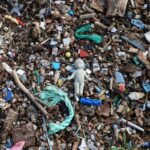
The process of bottling and transporting water is resource-intensive. Plastic waste, often lasting centuries in landfills, highlights the environmental toll of plastic. Even though some advisories suggest bottled water in emergencies, the frequent use of disposable containers escalates pollution levels.
The discussion on bottled water vs. tap water often revolves around convenience and perceived quality. The transportation of bottled products consumes a lot of fuel, contributing to increased carbon emissions. The use of single-use packaging also poses threats to marine and terrestrial ecosystems.
- Many plastic bottles end up in oceans and harm wildlife.
- Tap systems follow regulations by agencies like the Virginia Department of Health.
- Refillable containers reduce plastic waste and cut costs.
The debate on bottled water vs. tap water is multifaceted. Moving towards fewer throwaway bottles can significantly reduce plastic’s environmental impact. Local water sources, when properly tested and maintained, offer a safer and more eco-friendly choice. This approach not only safeguards ecosystems but also meets the health needs of communities across Virginia.
Staying Informed of Local Advisories
Water quality can change suddenly, prompting urgent warnings. Orange County’s recent shifts highlight the unpredictability of Virginia water advisories. Residents who stay alert can react quickly to any emerging issues.
Monitoring official channels is key for safeguarding community health. The Rapidan Service Authority shares updates on its website and through local media. VDH alerts provide critical information on safe drinking and contamination risks. Being informed helps make timely decisions, even in unexpected weather or infrastructure issues.
Where to Find Official Information
Local authorities disseminate alerts through news and email subscriptions, and some towns offer text alerts. Regular visits to public health websites are essential for catching timely updates. This proactive approach ensures communities are well-informed during water advisories or changes.
Final Thoughts on Virginia’s Drinking Water
Residents have seen that drinking water in Virginia undergoes strict treatment steps to help keep it clean. Major facilities follow federal and state guidelines to reduce contaminants, and they publish reports to maintain transparency. These measures create a strong foundation for safe public water, yet local scenarios can lead to odors or slight variations in taste.
People who want extra peace of mind often install filters or conduct routine tests. Frequent community updates and official notices guide decisions if issues arise, keeping resources accessible for everyone. It helps to stay informed of any uncommon conditions, such as storm-related advisories or construction work that might affect supply.
This Virginia tap water conclusion highlights a reliable system that benefits from ongoing improvements. With continued upkeep, residents can feel confident in the water flowing from their taps.
FAQ
Are microplastics a concern in Virginia’s tap water?
Recent studies indicate microplastics may be present in some Virginia water sources, including rivers and reservoirs. The Virginia Department of Health (VDH) and EPA have not yet set regulations for microplastics. Yet, ongoing research continues to monitor this issue. Residents can stay updated by reviewing official water reports and considering filtration systems designed to capture smaller particles.
Does Virginia use chloramine or chlorine as a disinfectant?
Most Virginia water treatment plants use chlorine. Some have switched to chloramine to meet DBP regulations. Both methods aim to control bacteria, viruses, and other pathogens. Local water quality reports or municipal websites often detail which disinfectant each plant prefers.
What causes water hardness in Virginia?
Water hardness is due to dissolved minerals like calcium and magnesium in groundwater or surface water. Though not hazardous, hard water can cause scale buildup on faucets and appliances. Homeowners may choose water softeners if they notice excessive scaling or soap residue.
How does stormwater infiltration affect tap water?
Heavy rainfall and flooding can introduce sediments, agricultural runoff, and contaminants into local streams and reservoirs. This can temporarily change water taste and odor. Treatment processes, including sedimentation and filtration, help minimize any impact on the water supplied to residents.
What role do disinfectant byproducts play in water safety?
Disinfectant byproducts (DBPs) form when chlorine or chloramine react with organic matter. The EPA sets maximum levels for certain DBPs to minimize health risks. Virginia’s water agencies regularly test for DBPs to ensure they remain below regulated thresholds, maintaining high water quality standards.
Are advanced filtration methods like UV disinfection or reverse osmosis used statewide?
Some Virginia facilities use additional technologies, such as UV disinfection or reverse osmosis, if local conditions require more extensive treatment. These methods target specific contaminants from industrial discharges or agricultural runoff. Whether these systems are necessary depends on the distinct water quality goals of each region.
Why might my tap water have a strange taste or smell?
Occasional changes in taste or smell can be due to natural algae growth, standard disinfectant levels, or shifts in water sources. Floristic changes in local water bodies, chlorination processes, or an increase in organic compounds can also contribute to taste and odor differences. Water providers typically inform the public if any unusual odor indicates a safety concern.
Can eutrophication in lakes or reservoirs affect my tap water?
Eutrophication occurs when nutrient-rich runoff fosters algae blooms in lakes or reservoirs, potentially influencing taste, odor, and overall water quality. Virginia water authorities monitor algae levels and use treatment techniques, such as activated carbon, to mitigate algae-related issues before water is distributed.
Are there official resources to track contaminant levels in Virginia’s water?
Yes. The VDH Office of Drinking Water publishes annual reports, and the EPA maintains a database of water quality standards and findings. Many municipal utilities also post Consumer Confidence Reports (CCRs) online, detailing local contaminant monitoring results and any advisories in effect.
How can residents reduce reliance on bottled water during advisories?
In most cases, boiling tap water or using certified filtration systems provides clean and safe drinking water, even during advisories. Local health authorities and environmental organizations encourage the use of refillable containers. This helps decrease plastic pollution, conserve resources, and support sustainable water practices in Virginia.