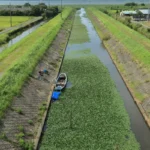
Building a Thriving Healthy Aquatic Ecosystem
- Published:
- Updated: December 24, 2024
Listen to this article
Summary
Building a thriving aquatic ecosystem requires understanding water quality and addressing human impacts such as pollution and habitat loss. By monitoring key water indicators and engaging communities in conservation efforts, we can protect and restore aquatic environments for future generations.
- Key Indicators of Ecosystem Health: Water clarity and biodiversity are crucial signs of a healthy aquatic ecosystem.
- Human Impacts and Pollution: Urbanization, overfishing, and pollution harm aquatic life, requiring careful management to prevent further damage.
- Conservation and Community Engagement: Education and community involvement are essential for successful conservation and restoration efforts.

Water is the lifeblood of our planet. It sustains a myriad of aquatic life forms and ecosystems, each playing a crucial role in the global biosphere.
Yet, maintaining a healthy aquatic ecosystem is a complex task. It requires a deep understanding of water quality, aquatic life, and the intricate balance between various environmental factors.
In this article, we dig into the world of aquatic ecosystems. We explore the importance of water quality and its impact on aquatic life. We also discuss the challenges and solutions in maintaining a healthy aquatic ecosystem.
From regulatory water testing to community involvement, we cover a wide range of topics. Our aim is to provide valuable information for anyone dealing with water quality issues or regulatory testing needs.
Join us as we navigate the waters of aquatic ecosystem health. Together, we can contribute to building a thriving, healthy aquatic ecosystem for future generations.
Understanding Aquatic Ecosystems
Aquatic ecosystems are diverse and dynamic environments. They include oceans, rivers, lakes, wetlands, and estuaries. Each type of ecosystem supports a unique community of plants and animals adapted to life in water.
These ecosystems provide essential services. They supply food, regulate climate, and maintain biodiversity. Understanding the delicate balance of these ecosystems is key to their preservation. Factors such as water temperature, pH, and nutrient levels play a pivotal role in shaping these habitats.
Human activities can easily disturb this balance. Pollution, habitat destruction, and overfishing are significant threats. Recognizing the complexity and interdependence of aquatic ecosystems helps in crafting better conservation strategies. Such understanding is fundamental to ensuring a robust, healthy aquatic ecosystem.
The Pillars of Water Quality

Water quality is the foundation of a healthy aquatic ecosystem. It directly influences the health and diversity of aquatic life. A range of factors determines water quality, each impacting ecosystems in different ways.
Key indicators of water quality include:
- pH levels
- Dissolved oxygen
- Temperature
- Turbidity
- Nutrient concentrations
These indicators help assess the suitability of water for sustaining life. For example, dissolved oxygen is vital for fish and other wildlife. Nutrient levels, on the other hand, must be balanced to prevent harmful algae blooms.
Maintaining these parameters within specific ranges is crucial. It ensures a stable environment that supports biodiversity and ecosystem services. Effective monitoring and management of water quality minimize risks to aquatic life. Ultimately, addressing these parameters enhances the resilience of aquatic ecosystems to both natural and human-induced changes.
Indicators of a Healthy Aquatic Ecosystem
A thriving aquatic ecosystem is marked by balance and diversity. Key indicators signal the health of these environments. Among these, water clarity and thriving biodiversity stand out.
Biodiversity reflects the ecosystem’s capacity to support various life forms. A range of species indicates a balanced ecosystem. Abundant plant life, such as algae and aquatic plants, is essential for oxygen production and nutrient cycling.
Water clarity is another important indicator. Clear water often suggests low pollution levels and healthy conditions. Regular assessments of these indicators can reveal important changes. They help guide management decisions for conservation and restoration.
Human Impacts on Aquatic Life
Human activities significantly affect aquatic life in various ways. Urbanization and industrialization lead to habitat loss and water pollution. These activities alter natural processes and stress aquatic organisms.
Overfishing and dam construction disrupt food webs and habitat connectivity. Such pressures can reduce the resilience of aquatic ecosystems. They may lead to declines in fish populations and biodiversity loss. Human impacts often compound the effects of climate change, further challenging aquatic communities.
Pollution and Its Effects
Pollution is a major threat to aquatic ecosystems. Industrial waste, agricultural runoff, and household chemicals contribute to water contamination. Pollutants like heavy metals and pesticides are particularly harmful. They can accumulate in the food chain, impacting predator and prey species alike.
Pollution can lead to oxygen depletion and habitat degradation. This affects the reproductive success and survival of aquatic species. Furthermore, emerging contaminants like microplastics pose new risks, complicating efforts to maintain ecosystem health.
Land Use and Water Quality
Land use practices have far-reaching effects on water quality. Agricultural activities often result in nutrient runoff. Excess nutrients can trigger algal blooms, leading to oxygen-deprived conditions in water bodies.
Urban development contributes to increased stormwater runoff. This can carry pollutants from roadways and non-point sources into waterways. Furthermore, altering land cover can disrupt the natural infiltration of water into the ground. Effective land use management and planning are essential to safeguarding water quality. Restoration practices, such as riparian buffers, can help mitigate these impacts.
Regulatory Water Testing and Compliance
Regulatory water testing ensures that water bodies meet quality standards. Compliance with these regulations is essential to protect aquatic ecosystems. Regular testing identifies pollutants and assesses their impact on water quality.
Different parameters are measured, such as pH, dissolved oxygen, and nutrient levels. These indicators help in evaluating the health of water bodies. Adhering to regulatory standards is crucial for environmental sustainability. It prevents harmful substances from reaching dangerous concentrations.
The Role of Environmental Consulting
Environmental consulting plays a vital role in ecosystem management. Consultants guide businesses and policymakers in adhering to water quality regulations. They assist in implementing best practices to maintain aquatic health.
Consultants conduct assessments and develop tailored solutions to reduce pollution. They provide insights into environmental impacts of proposed projects. Working with environmental consultants can ensure compliance and enhance sustainability. Their expertise aids in balancing human activities with ecosystem preservation.
Strategies for Ecosystem Management
Ecosystem management requires a multifaceted approach. One key strategy is implementing integrated water resource management. This ensures the balanced use of water for both human needs and ecological sustainability.
Additionally, it’s essential to establish clear conservation goals. These goals should focus on maintaining biodiversity and ecological functions. Adaptive management strategies allow for flexibility in response to environmental changes, ensuring effective resource management.
Restoration and Conservation Efforts
Restoration involves rehabilitating degraded aquatic ecosystems. It requires understanding the original conditions and functions of the ecosystem. Techniques such as replanting native vegetation can help restore natural habitats.
Conservation efforts aim to protect existing healthy ecosystems. They include creating protected areas and promoting sustainable resource use. Engaging stakeholders and local communities is crucial to the long-term success of these initiatives. Conservation and restoration work hand-in-hand to preserve aquatic biodiversity.
Engaging the Community in Aquatic Health
Community involvement is vital for sustaining aquatic health. Local residents often have firsthand knowledge of water bodies in their area. Their engagement can enhance conservation efforts.
Public participation helps raise awareness about water quality issues. It also fosters a sense of stewardship. People are more likely to protect ecosystems they feel connected to.
Education and Involvement
Education plays a key role in community engagement. Informative programs can teach citizens about the importance of clean water. Workshops and outreach events can spread awareness and knowledge.
Involving schools can nurture young conservationists. Educators can incorporate water conservation topics into their curriculum. When communities are educated and involved, they can significantly impact aquatic health.
Conclusion: The Future of Our Water Bodies
The future of our water bodies hinges on collective efforts to foster healthy aquatic ecosystems. Maintaining water quality and safeguarding aquatic life require coordinated efforts from communities and professionals alike.
By integrating education, regulatory compliance, and ecosystem management strategies, we can preserve our aquatic environments. These actions ensure sustainable ecosystems for future generations. Our commitment today will shape a thriving aquatic environment tomorrow.
Share this on social media:
Facebook
Twitter
LinkedIn

Related Posts