A Comprehensive Guide to Understanding Water Pollution and Contamination
- Published:
- Updated: January 2, 2025
Listen to this article
Summary
Water pollution is the introduction of harmful substances into water bodies, impacting human health and the environment. Causes include agricultural runoff, industrial waste, sewage, oil spills, and littering. Effects include health issues, aquatic life death, ecosystem destruction, and economic losses.
Clean water is vital for health, the environment, agriculture, industry, and recreation. Governments regulate and fund prevention efforts, enforce penalties, and support cleanup.

Water pollution is a problem that threatens all organisms of the Earth. It is the dumping of toxins into water bodies that are unsafe for human use and fish. The contamination of water is possible in the natural environment, but most likely it’s due to humans through industrialisation, farming and waste management. Water contamination and pollution must be understood if we want to solve this pan-human crisis.
What is Water Pollution?
Water pollution is contaminating water supplies – lakes, rivers, oceans, and groundwater – with pollutants introduced by human or natural processes. These pollutants are chemicals, germs and debris that make the water inaccessible to the purpose for which it was intended. Pollution in water can damage health, marine life and the environment by causing illness, aquatic ecosystem degradation and economic destruction. So, water pollution prevention and management by water resource management and reducing water pollution are essential.
Causes of Water Pollution

There are many sources of water pollution, both natural and human-made. Some of the most common causes of water pollution include:
- Agricultural runoff: Fertilizers, pesticides, and other chemicals used in agriculture can run off into nearby water sources, causing water pollution. This type of pollution is particularly prevalent in areas with large-scale agriculture, where chemicals are used in large quantities.
- Industrial waste: Industries discharge toxic chemicals into water sources, which can cause water pollution. This type of pollution is particularly prevalent in areas with heavy industry, such as oil refineries and chemical plants.
- Sewage: Raw or partially treated sewage can contain harmful bacteria and other pollutants that can contaminate water sources. This type of pollution is particularly prevalent in areas with inadequate sewage treatment facilities, such as developing countries.
- Oil spills: Oil spills can release large quantities of oil into water sources, causing physical and chemical pollution. Oil spills can occur as a result of human error, such as an oil tanker spill, or as a result of natural disasters, such as hurricanes and earthquakes.
- Leaking septic tanks: Septic tanks can leak, releasing bacteria and other pollutants into water sources. This type of pollution is particularly prevalent in areas with a high density of septic tanks, such as rural areas.
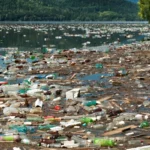
- Littering: Litter, such as plastic and other debris, can enter water sources and cause physical pollution. This type of pollution is prevalent in areas with high levels of littering, such as urban areas.
Effects of Water Pollution
The effects of water pollution can be far-reaching and can have serious consequences for human health and the environment. Some of the most significant effects of water pollution include:
- Health effects: Water pollution can cause a range of health problems, including skin irritation, eye irritation, respiratory problems, and even serious illnesses such as cancer. For example, chemical pollution can cause cancer and other serious health problems, while biological pollution can cause the spread of waterborne diseases, such as cholera and typhoid fever.
- Death of aquatic life: Water pollution can cause the death of aquatic life, including fish, birds, and other wildlife. This can occur as a result of physical pollution, such as litter, or as a result of chemical pollution, such as oil spills. The death of aquatic life can have a ripple effect on the entire ecosystem, altering the balance of species and reducing biodiversity.
- Destruction of ecosystems: Water pollution can destroy ecosystems, including coral reefs and other habitats, by altering the balance of species and reducing biodiversity. For example, chemical pollution can cause harm to coral reefs, while physical pollution can clog the gills of fish and other aquatic life, making it difficult for them to breathe.
- Economic effects: Water pollution can have significant economic impacts, including the loss of tourism revenue, decreased property values, and reduced economic opportunities. For example, tourism in areas affected by water pollution can suffer, as people may not want to visit areas with contaminated water. Additionally, property values in areas affected by water pollution can decrease, as people may not want to live in areas with contaminated water.
Importance of Clean Water
Clean water is essential for human health and well-being, as well as the health of the environment. Access to clean water can help to prevent the spread of waterborne diseases, such as cholera and typhoid fever, and it is also crucial for the survival of many species of plants and animals. Clean water is also important for agricultural and industrial activities, as well as for recreational purposes. For example, clean water is essential for growing crops, as well as for fishing and other forms of recreation.
The Role of Governments in Preventing Water Pollution
Governments play a critical role in preventing water pollution by implementing regulations and policies that protect water resources. Governments can also provide funding for research and development of new technologies that can help to prevent water pollution. Additionally, governments can promote public awareness about water pollution and its effects, and encourage individuals and communities to take action to prevent water pollution. For example, governments can fund educational campaigns and outreach efforts to raise awareness about water pollution and its effects, and they can also implement regulations to prevent industries from discharging toxic chemicals into water sources.
Moreover, governments can also enforce penalties for companies and individuals who violate water pollution regulations. This helps to create a deterrent for those who might otherwise pollute water sources, and it also sends a message that water pollution is not acceptable. In addition, governments can also provide funding for the cleanup of contaminated sites, helping to restore damaged ecosystems and prevent further harm to the environment.
What Can Be Done to Prevent Water Pollution?
Preventing water pollution is essential to protect public health and the environment. There are many steps that can be taken to prevent water pollution, including:
- Reduce the use of harmful chemicals: Reducing the use of harmful chemicals, such as fertilizers and pesticides, can help to reduce water pollution. This can be done by using alternative methods of agriculture, such as organic farming, or by using chemicals in a more responsible manner, such as applying them at the correct time and in the correct quantities.
- Properly dispose of waste: Properly disposing of waste, including sewage and industrial waste, can help to prevent water pollution. This can be done by upgrading sewage treatment facilities and enforcing regulations that require industries to properly dispose of their waste.
- Implement best management practices: Implementing best management practices, such as reducing runoff from agriculture and industrial activities, can help to prevent water pollution. This can be done by using techniques such as crop rotation, soil conservation, and reducing the use of harmful chemicals.
- Protect sensitive areas: Protecting sensitive areas, such as wetlands and coastal habitats, can help to prevent water pollution. This can be done by preserving these areas and limiting human activities in these areas that may contribute to water pollution.
- Support the cleanup of contaminated sites: Supporting the cleanup of contaminated sites, such as oil spills and leaking septic tanks, can help to prevent water pollution. This can be done by funding the cleanup of contaminated sites and advocating for stronger regulations to prevent contamination from occurring in the first place.
- Promote public awareness: Promoting public awareness about water pollution and its effects can help to encourage individuals and communities to take action to prevent water pollution. This can be done through education campaigns and outreach efforts, as well as through the media.
The Role of Individuals and Communities in Preventing Water Pollution
Water pollution can be prevented by people and societies, too. Even relatively simple measures – disposing of waste correctly and using less toxic chemicals – can keep water clean for both individual and community use. They can also enlist support for cleanup of contaminated sites and better policies and regulation for water protection.
For instance, people can reduce water pollution through a clean process of waste disposal (recycling, composting) and the elimination of noxious chemicals (farmed food, pesticides). Water pollution can also be prevented through local cleanup activities, pushing for tougher policies and regulations, and by educating the general public about the value of clean water.
Also, individuals and societies can engage in conservation projects (tree planting, wetlands preservation, etc) which will preserve water sources and eliminate water pollution. We also have people and groups that can help us support organizations that are working on prevention of water pollution and protecting water resources, such as environmental organizations and advocacy groups.
Innovative Solutions and Technologies for Water Pollution Control
However, in recent years, new technologies have been developed to reduce and obviate water pollution. These can be filtration technologies or bioremediation methods using nature’s processes to filter contaminated water.
Such a technology is nanofiltration, which uses very small pores on membranes to filter pollutants at the molecular level. This process is especially good at getting rid of heavy metals, bacteria, and viruses in water. Then there are built wetlands, which are used to filter water naturally. They are models of natural wetlands, which filter contaminants out and maintain water quality through vegetation, soil and microbes.
Conclusion: Safeguarding Our Water Resources for Future Generations
ConclusionWater pollution and its effects are a matter of survival for our planet and all its inhabitants. Aquatic pollution resulting from agricultural effluent, industrial discharges and waste discharging is highly dangerous to humans, animals and ecosystems. Disease, habitat destruction and lost economic income are all outcomes.
Governments, businesses, societies and citizens all need to work in concert to address this. Governments – who set rules, pay for research and punish offenders. The industries also have to practice a good management and disposal practices. We as communities and individuals can take part by using fewer chemicals, disposing of wastes, and being involved in conservation.
If we use new technologies and create a culture of collaboration, we can save our precious water resources for future generations. Clean water is not a need; it is a right that we as a society must be committed to and take action for.
Get Water Tested In My Area by Olympian Water TestingTM. Our laboratory is fast and easy for you to evaluate your water quality. So, rely on us to take care of all the testing and analysis for you and make sure your water is safe.
Share this on social media:
Facebook
Twitter
LinkedIn