Stay Hydrated, Stay Healthy: The Rewards of Proper Hydration
- Published:
- Updated: November 23, 2024
Listen to this article
Summary
Proper hydration is vital for overall health:
Improved Physical Performance: Hydration enhances physical performance, boosts endurance, and reduces muscle fatigue, especially during intense activities.
Enhanced Mental Clarity: Staying hydrated supports cognitive function, concentration, and alertness, preventing headaches and dizziness associated with dehydration.
Healthy Skin: Proper hydration maintains skin elasticity, prevents dryness, and reduces the risk of skin issues like acne and eczema.

Being well hydrated is our health and survival. We need water to function our bodies: from keeping us at the proper temperature to transferring nutrients and waste, to maintaining our skin and joints. Even though we need water, not many people are keeping up the necessary hydration.
What is Proper Hydration?
Proper hydration means having enough water and other fluids in order to keep the body fluid level in balance. This harmony is what our bodies require to run optimally. There are a few things that will impact the amount of water a person requires: age, size, activity level, and weather. Adults are told to drink at least eight glasses of water a day on average. But this is only a rough rule of thumb and what exactly one requires varies greatly from person to person. Listen to your body and sip water when you are thirsty.
The Benefits of Proper Hydration

There are numerous benefits to staying hydrated, including:
- Improved physical performance: Proper hydration can improve physical performance, especially during intense physical activity. When you are dehydrated, your body does not perform as well, and you may experience fatigue, decreased endurance, and increased muscle cramps. Adequate hydration can help you feel more energized and perform at your best, whether you are running a marathon or simply going for a walk.
- Better mental clarity: Staying hydrated can also improve mental clarity and concentration. Dehydration can lead to headaches, dizziness, and decreased cognitive function, making it difficult to focus and think clearly. Proper hydration helps keep your brain functioning at its best, allowing you to stay alert and focused throughout the day.
- Healthier skin: Proper hydration is essential for healthy skin. Dehydration can lead to dry, dull, and wrinkled skin, while adequate hydration can help maintain the skin’s natural elasticity and glow. Drinking enough water can also help prevent skin problems, such as acne and eczema.
- Improved digestion: Proper hydration is essential for the proper functioning of the digestive system. It helps to flush out waste and toxins and promotes regular bowel movements. Adequate hydration can also help prevent digestive problems, such as constipation and indigestion.
- Supports healthy weight management: Drinking water before meals can help you feel full and reduce the amount of food you eat, which can lead to weight loss. Drinking water can also help boost your metabolism, allowing you to burn more calories throughout the day.
- Supports immune system function: Staying hydrated can also support the immune system, helping to fight off infections and illnesses. Proper hydration helps keep your body functioning at its best, making it easier for your immune system to fight off harmful pathogens.
How to Stay Hydrated
Here are some tips to help you stay hydrated:
- Drink water regularly throughout the day: Make sure to drink water throughout the day, not just when you are thirsty. Set reminders to drink water throughout the day, especially during physical activity. It is recommended to drink at least eight glasses of water per day, but this can vary depending on your individual needs.
- Eat hydration-rich foods: In addition to drinking water, you can also hydrate your body by eating foods that are high in water content, such as fruits and vegetables. Foods like watermelon, cucumbers, and strawberries are great choices to help you stay hydrated. Eating these foods can also provide you with essential vitamins and nutrients that are important for overall health.
- Avoid dehydration-causing drinks: Some drinks, such as alcohol and caffeine, can dehydrate the body. Limit your intake of these beverages or choose alternatives, such as water or herbal tea. It’s also important to note that drinks that are high in sugar, such as soda and fruit juice, can also contribute to dehydration.
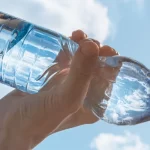
- Keep a water bottle with you: Bring a refillable water bottle with you wherever you go, so you always have access to water. This makes it easy to stay hydrated, whether you are at work, running errands, or working out.
- Stay cool: Heat and physical activity can cause dehydration. Make sure to stay cool and hydrated during hot weather or intense physical activity. This can include drinking water, wearing light and breathable clothing, and taking breaks in the shade.
The Importance of Proper Hydration for Athletes
The most active ones especially should be mindful of how hydrated they are. Lack of hydration can degrade performance in sport, leading to fatigue, loss of strength and muscle cramps. Also hydration can also prevent heat illnesses like heat exhaustion and heatstroke. Drinking water before, during, and after exercise will help keep athletes hydrated and in peak form.
The Risks of Dehydration
There are health issues that can arise when we are dehydrated which can negatively impact all the other parts of our bodies. Reduced physical performance is one of these effects, as dehydration can make you tired, less resistant, and more likely to get cramps, making you unfit to exercise. Poor brain function: Another potential consequence of dehydration can be headaches, dizziness and poor cognitive performance due to the loss of ability to concentrate and reason.
Dehydration also increases the chance of heat-related diseases such as heat exhaustion and heatstroke during hot weather and vigorous exercise. Inflammation in the gastrointestinal tract like constipation and indigestion can also be caused by dehydration. Further, skin health is affected by dehydration which makes skin dry, sallow, and wrinkled making healthy glowing skin harder to maintain.
If you want to stay healthy and in good health then you need to keep hydrating each day. Being hydrated, eating water-soluble food, and not consuming dehydrating drinks are all simple things you can do to keep hydrated and nourished.
Share this on social media:
Facebook
Twitter
LinkedIn

Related Posts