Why Water Quality Matters for Overall Health
Many people trust their drinking water, but recent surveys show 57% of Americans worry more about safe drinking water than global warming. A staggering 41% are unsure about their local water utility, highlighting the need for reliable sources. Water is vital for hydration, food preparation, and daily routines, making its purity critical for public health.
Clean water is essential for immune function, cognitive performance, and healthy development in all communities. The presence of hidden contaminants can undermine these benefits. Regular monitoring and testing of water contaminants are vital for protecting families’ health.
Potential Contaminants in Tap Water
Tap water can contain industrial byproducts, heavy metals, or microbial hazards. PFAS, known for their persistence, are a major concern for many residents. Using filters and conducting regular tests are key to ensuring safe drinking water.
Health Effects of Poor Water Quality
Poor water quality can lead to digestive issues, developmental problems, or chronic illnesses if contaminants exceed safe levels. Unclear guidelines exacerbate concerns, making it critical to protect household water systems. This step is essential for maintaining overall well-being.
Contaminant | Source | Possible Impact |
Lead | Old Pipes | Neurological Damage |
PFAS | Industrial Emissions | Hormonal Disruption |
Bacteria | Untreated Water | Gastrointestinal Illness |
Minnesota: Land of 10,000 Lakes
Minnesota’s water quality is a topic of great importance, given its vast array of freshwater lakes. The state’s ranking on water quality lists varies, reflecting ongoing research and debate. Studies indicate that lakes play a critical role in maintaining ecosystems, but concerns about industrial pollution persist.
Efforts to protect Minnesota’s water are led by state agencies, focusing on reducing pollutants and preserving public health. A broad coalition of organizations and volunteers actively monitors the state’s lakes. By balancing recreational activities with environmental conservation, Minnesota aims to maintain its lakes’ health. This approach benefits lakeside communities, ensuring their shorelines, drinking water, and wildlife thrive.
- Annual testing for contaminants boosts Minnesota water quality
- Shoreline restoration grants support freshwater lakes
- Community-driven clean water initiatives encourage local stewardship
New Hampshire: Pristine Mountain Streams
New Hampshire’s rugged peaks funnel clear runoff into mountain water sources, creating a dependable supply for many towns. This reputation for cleanliness has earned attention from regional scientists and those who seek high-quality water. State agencies aim to maintain safe conditions despite the pressures of modern growth.
High Standards for Public Water Systems
More than 2,500 public water systems fall under the federal Safe Drinking Water Act and state laws. Each one must secure a Permit to Operate, which involves an annual fee reflecting its size. The program is administered by the New Hampshire Department of Environmental Services, protecting residents through ongoing testing and updates. Many communities submit emergency plans every six years to handle possible disruptions, ensuring that New Hampshire water remains secure.
Conservation Efforts and Protected Watersheds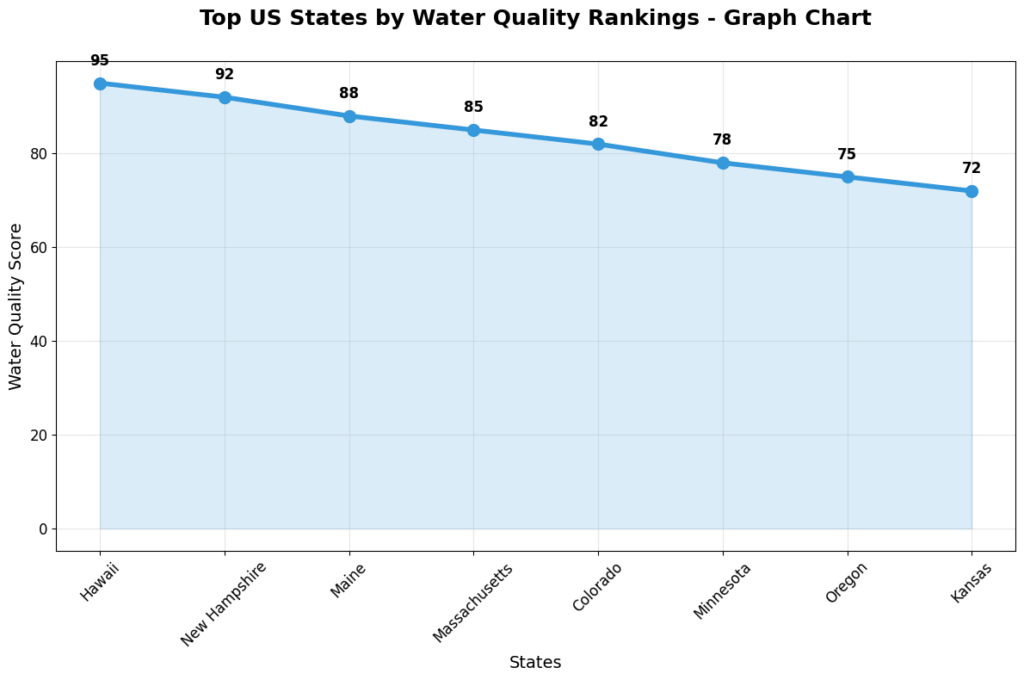
Local trail crews, nonprofits, and municipalities join forces to preserve stream banks and address pollution sources. Grants such as the 319 Watershed Assistance and 604(b) Planning support projects that enhance watershed protection. The goal is simple—keep rivers and lakes pristine for everyone. Creative stormwater solutions and reduced salt usage also help preserve wildlife habitats and foster a sustainable water future.
Hawaii: Protected Island Resources
Tropical landscapes and careful stewardship make Hawaii water quality a standout among states. Many studies place these islands at the top of national rankings. This is due to low industrial impact and devoted conservation practices.
Rainfall and Volcanic Filtration
Drops from frequent showers travel through layers of porous rock. This creates a natural purification process known as volcanic filtration. It helps produce pristine island water with a refreshing taste and fewer contaminants. Locals often credit these geologic features for the state’s reputation.
Strict Regulation for Tourism Areas
State officials focus on preserving water safety across hotels and popular destinations. They conduct frequent inspections and demand rigorous testing to protect public health. This level of oversight supports thriving tourism and safeguards this vital resource for generations to come.
Resource | Key Feature | Benefit |
Rainfall | Year-round downpours | Helps replenish water sources |
Volcanic Paths | Natural rock filtration | Improves purity and taste |
Regulations | Frequent testing mandates | Assures safe public supplies |
Alaska: Glacial Rivers and Lakes
Alaska’s terrain is shaped by ice and snow, creating spectacular waterways. These waterways often provide natural refreshment from icy sources. Yet, some areas face challenges due to outdated infrastructure, highlighting the need for ongoing improvements.
Alaska’s glacial water starts pure but distribution networks can be a challenge. The cold climate and rugged terrain lead to outdated treatment systems in rural areas. Newsweek reports that many areas have higher-than-average health standard violations.
Communities across these icy plains need reliable drinking water sources, critical in isolated villages. Some rely on private wells, raising concerns about water purity. Upgrading pipelines and investing in modern treatment units is essential to preserve water quality.
Remote areas face challenges with maintenance costs and limited technical support. Families may resort to makeshift solutions, risking exposure to harmful substances. Repairing older infrastructure can alleviate these issues, ensuring quality water and reducing health risks.
Statewide efforts aim to improve safe drinking sources through updated pipelines and modern filtration stations. Collaboration with the Environmental Protection Agency addresses system gaps, promoting regular testing and education. These initiatives are vital for a healthy future in Alaska.
Local coalitions hold forums to gather feedback and outline future actions. Grants from the U.S. Department of Agriculture support wastewater management, while nonprofits promote conservation. These efforts build trust and lead to cleaner water across distant towns, with progress expected from growing awareness.
Oregon: Clean Waters and Protected Reservoirs
Oregon’s water reservoirs benefit from the region’s abundant rainfall and rugged terrain. Residents work hard to safeguard these sources, despite occasional contamination risks. Through education and shared responsibility, local groups aim to keep the waters pristine.
Collaborative Community Water Programs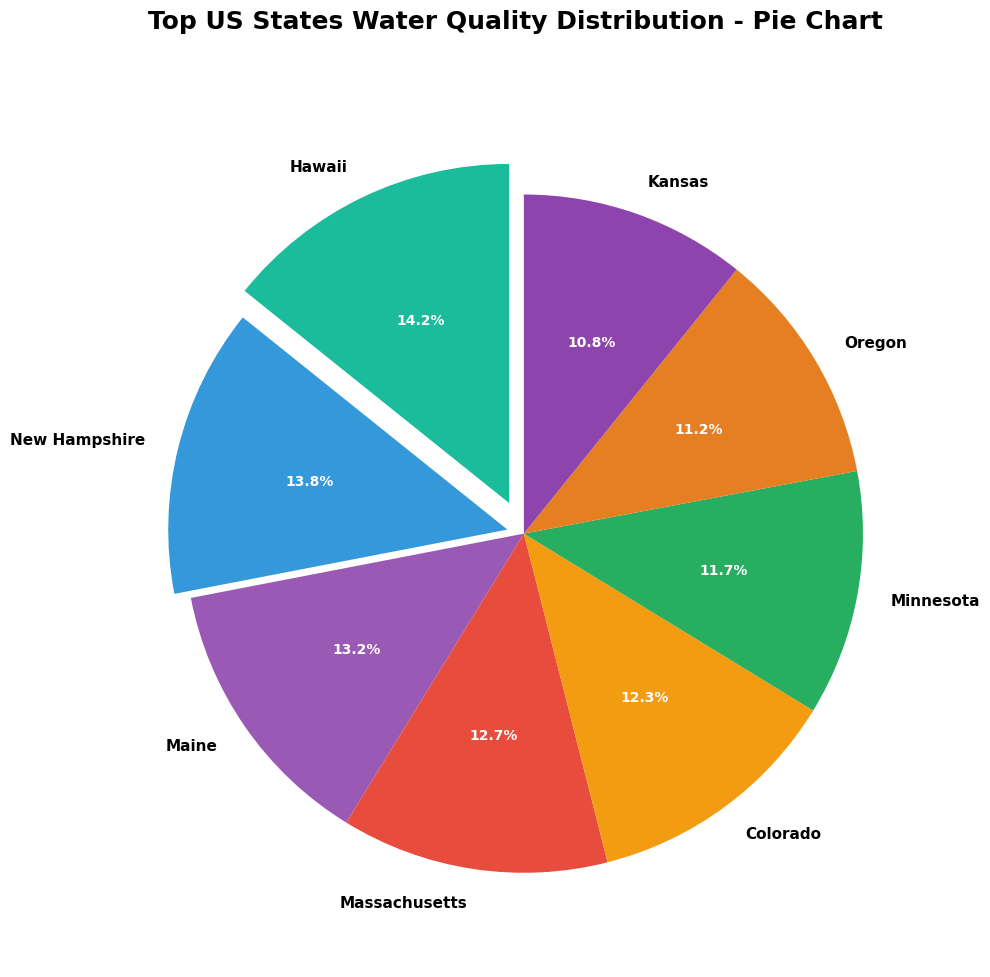
Nonprofits, public agencies, and businesses unite to advance community water initiatives. Their efforts include volunteer projects, stream restoration, and awareness campaigns. Local water councils emphasize the need to preserve shorelines, manage runoff, and track emerging pollutants.
These programs rely on neighbors coming together. They strive to create a shared vision for water safety and purity.
Adoption of Sustainable Practices
Greener farming and stricter industrial standards are key to sustainable water management. By reducing pesticide use and implementing modern waste controls, water flows in rivers and lakes are balanced. Urban growth necessitates ongoing evaluation to meet needs without overburdening rural communities.
Planners collaborate with residents and advocacy groups to uphold Oregon’s environmental standards.
Key Initiatives in Oregon
Initiative | Main Goal | Key Partnership |
Watershed Council Projects | Restore local streams | Nonprofits, city planners |
Green Agriculture Plans | Reduce chemical runoff | Farmers, conservation groups |
Reservoir Monitoring Programs | Ensure water safety | State agencies, research teams |
Massachusetts: Rigorous Water Regulations
Massachusetts stands out for its clean tap systems and rigorous testing. Its success is a testament to a strong commitment to regulatory standards that safeguard public health. Independent reviews consistently rank the region among the most reliable in the nation.
Historical Infrastructure
The early infrastructure supported the growing population, with some parts dating back to older city expansions. Over time, this network has evolved under careful oversight and maintenance. Recognizing the need to prevent Massachusetts water quality issues, officials planned for necessary repairs.
Year | Project | Outcome |
1980s | Treatment Plant Updates | Enhanced Filtration |
2000 | Pipeline Reinforcement | Fewer Service Disruptions |
2020 | Digital Metering | Improved Monitoring |
Ongoing Modern Upgrades
New filtration techniques and smart sensors are part of ongoing infrastructure upgrades aimed at improving water safety. These efforts also focus on energy efficiency, aligning with public health objectives. For more information, readers can explore this resource on modern policies.
Maine: Popular for Its Pure Drinking Water
Maine is celebrated for its clear, refreshing water, sourced from forested watersheds and rocky coastlines. The state’s pristine wells are a testament to its groundwater purity in remote areas. Locals often claim that Maine water is among the cleanest in the nation.
Despite its reputation, concerns about chemical runoff and PFAS contamination persist. Experts stress the need for regular testing to detect industrial byproducts in local streams. The Maine Department of Environmental Protection works to tackle these state water challenges. They review regulations and offer resources to rural communities, ensuring public health standards are met and emerging risks are mitigated.
- Testing private wells at recommended intervals
- Sourcing public data on newly identified contaminants
- Collaborating with regional boards to promote safe disposal practices
Ensuring groundwater purity requires a collective effort from residents and local agencies. Research teams analyze Maine water samples to track quality changes over time. To overcome state water challenges, we must take decisive actions to safeguard water for future generations.
North Dakota: Low Population, Low Contamination
Nature lovers find many untouched lakes and rivers across the plains. North Dakota’s water is known for its exceptional clarity. The area’s low population and careful management ensure its resources remain pristine. Local teams collect vital data from various sources, including this detailed survey.
The state’s farmland contributes to its water safety reputation. Open grasslands and productive ranches showcase a balance between agriculture and nature. Soil tests and precise irrigation help protect nearby water bodies.
Agricultural Practices and Water Safety
Farming in North Dakota focuses on sustainability. Techniques like crop rotation and no-till farming reduce erosion and runoff. This collaboration between farmers and environmental experts leads to guidelines for cleaner water.
Minimal Industrial Pollution
Urban areas are small, and manufacturing sites are well-controlled. This limits the pollution entering watersheds, preserving the clarity of lakes and rivers. Careful planning helps shield North Dakota’s water from industrial threats.
South Dakota: High-Quality Aquifers
South Dakota is renowned for its abundant aquifer resources, providing clean water to cities and farmland. The vast open spaces minimize industrial impact, ensuring a peaceful environment for residents. Regular water quality tests are conducted, and local groups are dedicated to safeguarding South Dakota aquifers through rigorous groundwater management.
Efforts to address livestock waste and seal abandoned wells are underway, mitigating risks to water sources. This proactive stance enhances public health and fortifies rural water systems in remote areas. Shared testing initiatives boost confidence in South Dakota aquifers, guaranteeing safe water supplies even in the most inaccessible regions.
Through continuous collaboration between residents and local agencies, groundwater management is strengthened, keeping contamination risks at bay. Cost-sharing plans facilitate timely upgrades to rural water systems, establishing a reliable network of clean water. This positions South Dakota as a leader in nationwide water quality standards.
Colorado: Fresh Rocky Mountain Springs
Colorado’s high altitude offers a unique advantage to its residents, providing access to pristine runoff. The terrain acts as a natural barrier, shielding waterways from widespread contamination. This results in water that is not only fresh but also crystal clear, thanks to the mountain streams that feed the cities.
The environment in Colorado significantly influences its water supply. The state adheres to strict guidelines and employs protective measures to keep many sources clean. The Colorado Department of Public Health and Environment closely monitors key watersheds, identifying and addressing challenges posed by old mining sites. Despite concerns about farmland runoff, ongoing improvements aim to mitigate these issues.
Elevated Source Protection
Agencies actively discourage harmful activities near sensitive reservoirs. Local organizations focus on cleaning up leftover waste in remote areas. This effort is essential for preserving the quality of high-elevation water, which rarely encounters pollutants during its descent.
Snowmelt and Glacier Reservoirs
The snowmelt from the Rocky Mountains fuels a steady flow of fresh streams during warmer months. Glaciers contribute to the melting, increasing the volume of natural basins. This cycle supports thriving ecosystems and ensures a steady supply of clean water for residents throughout the year.
Kansas: Surprising Water Quality Leader
Many overlook Kansas when discussing top drinking water sources. Surveys, though, highlight its dedication to safety and taste. A J.D. Power study shows it excels in color and odor, reflecting the high standards of Midwestern water. The state’s commitment to public health is evident through its steady supervision and well-planned infrastructure.
Local agencies focus on preserving aquifers and conducting frequent inspections. Municipal water systems employ modern methods to minimize contaminants and ensure consistent flow. Kansas’s water quality challenges the common perception, showing that diligent oversight can safeguard resources for both residents and businesses.
Investments in pipe upgrades, filtering equipment, and pumping stations are driving long-term enhancements. Community engagement and responsible water use are fueling ongoing advancements. Kansas’s water quality exemplifies the impact of effective policies on daily life in the region.
- Ongoing testing for emerging contaminants
- Public awareness campaigns for resource protection
- Expert maintenance of treatment facilities
Regulatory Focus | Key Action | Result |
Infrastructure | Modern pipe systems | Reduced leakage & improved flow |
Testing Protocols | Regular lab sampling | Early detection of threats |
Treatment Methods | Advanced filtration | Clean municipal water |
How to Ensure Best Water Quality at Home
Many households aim to enhance their drinking water’s purity. A wise strategy combines home water filtration with regular water testing. This proactive approach keeps families safe from contaminants, ensuring their tap water remains fresh and clean.
Filtration and Purification Methods
There are various methods tailored to different needs. Reverse osmosis systems filter out bacteria, viruses, and chemicals using a special membrane. UV treatment kills harmful organisms with light. Under-sink filters, attached directly to the kitchen plumbing, offer a simple, effective solution.
Method | Key Benefits | Suitable For |
Reverse Osmosis | Removes contaminants at a microscopic level | Comprehensive home water filtration |
UV Treatment | Targets microorganisms without chemicals | Homes dealing with bacteria risk |
Under-Sink Filter | Easily installed beneath the kitchen sink | Households seeking direct purified tap water |
Regular Testing and Maintenance
Regular water testing through certified labs ensures water quality remains consistent and safe. If you notice changes in taste or odor, it’s wise to test for bacteria, nitrates, or total dissolved solids. Maintenance includes timely filter replacements and protecting wells from contaminants.
Utilizing Local Water Reports
Public systems often publish annual data, providing residents with insights into current water conditions. Local water reports detail possible contaminants and treatment outcomes. These reports help make informed decisions to improve household water quality.
Embracing Cleaner Water for a Healthier Future
The Safe Drinking Water Act has spurred local and federal efforts to safeguard this essential resource. Government bodies and private entities collaborate to modernize infrastructure, embrace new technologies, and monitor contaminants. This work benefits both rural and urban communities, ensuring access to clean water through expanded testing and strict standards.
It’s a collective effort, requiring civic participation, legislative support, and ongoing monitoring. By pooling resources, communities can overcome the hurdles posed by aging systems and emerging pollutants. This collective action enhances the well-being of local populations.
The future of water quality hinges on ongoing research and investment in modern technologies. Many areas are exploring sustainable solutions, such as advanced treatment methods and upgraded distribution systems. Each innovation helps mitigate risks from corroded pipes, industrial waste, and microscopic pollutants.
Interdisciplinary teams are key to ensuring safety measures align with the latest scientific discoveries. Their work offers hope for continuous improvement in water quality.
Households and businesses are critical in conserving water and encouraging others to do the same. Simple actions like fixing leaks, choosing water-efficient fixtures, and reviewing outdoor water use can make a difference. Local forums provide platforms for sharing ideas and supporting policies that protect our ecosystems.
Cleaner water leads to stronger, healthier communities. It sets a path for future generations, benefiting the nation from coast to mountain. Individuals can find valuable resources through local environmental agencies and non-profit groups dedicated to advocacy.