Significance of Optimal Water Conditions for Sustainable Aquaculture
- Published:
- Updated: November 22, 2024
Listen to this article
Summary
Maintaining optimal water conditions is crucial for sustainable aquaculture. Here’s why it matters:
- Ensures healthy growth and reduces disease risk
- Methods include water exchange, aeration, filtration, and monitoring
- Poor water quality can lead to economic losses and environmental harm
By prioritizing water quality management, aquaculture can thrive while minimizing ecological impacts.

Aquaculture, which is on the rise, contributes to food security and environmental sustainability in the world. Water conditions must be right for optimal productivity, aquatic species health, and minimal environmental impact. Farmers can keep the water quality levels in a normal range, which will allow for good crop growth and avoid epidemics.
What are Optimal Water Conditions for Aquaculture?
Best water conditions for aquaculture is the ideal physical, chemical and biological state of the water where aquatic organisms are maintained. These are different for each species that’s being farmed, but typically cover water temperature, pH, dissolved oxygen and salinity.
Temperature is important in aquaculture because the needs of individual species differ in relation to temperature, as a means of growth and survival. For instance, warm-water species such as tilapia need water temperatures of 22-30°C and cold-water species such as salmon need between 8-12°C.
So, is pH a crucial aquaculture variable. A pH between 6.5-8.5 is the perfect level for the majority of aquatic species. But some species like shellfish are more sensitive to pH fluctuations, and therefore need a narrower pH range.
The life and development of aquatic life depends on dissolved oxygen. The dissolved oxygen concentrations are sufficient to keep the water healthy and aquatic vegetation and animals flourishing. Dissolved oxygen should remain between 5-6 mg/L for the majority of species.
Salinity is a function of salt concentration in water, which helps some species, particularly those that inhabit brackish or salty water, survive and grow. The best salinity for the different aquaculture species is different: some species need low salinity, others need high salinity.
Importance of Maintaining Optimal Water Conditions

Aquaculture thrives when water is in the right state, as it can affect the growth and wellbeing of the aquatic animals being raised. Water contamination can cause various adversities such as disease, growth stunt and reduced production.
If the water temperature is too cold, for instance, growth and survival of warm-water organisms could be hampered. In the same way, if the pH is too high or low, it will adversely affect the health and development of fishes, and even the environment of the aquaculture system.
Deficient dissolved oxygen is fatal for marine animals and, in the case of the aquatic environment, leads to the growth of pathogenic microbes. Debris is a source of stress and a negative effect on growth and survival for some species, too.
The water environment also has to have optimum conditions for its health and sustainability. Healthy conditions promote aquatic organisms and species to grow and make the ecosystem healthy.
Methods for Maintaining Optimal Water Conditions
Some of the approaches to achieve optimal water temperatures in aquaculture are as follows:
Exchange of water: Consistent water changes help keep water at optimum condition by flushing out contaminants and replenishing dissolved oxygen.
Aeration: The system of aeration can be installed to promote dissolved oxygen in the water and provide the water with the proper water conditions.
Filtration water: Water filtration will filter waste and other contaminants from the water which maintains clean water.
Water treatment by chemical: Chemicals can be added to the water to regulate pH and salinity and to provide good water quality.
Automated monitoring and control: Automatic monitoring and control systems are available that can be monitored regularly and calibrated to keep water at the right level.
Best management practices: By applying best management practices (like feeding and stocking densities) that minimize waste and stress on the aquatic system, water will continue to function properly at all times.
Be sure to keep your eye on water levels regularly and change as needed to ensure that the water is at its peak level. Monitorise on an ongoing basis too to catch issues as they arise so that the situation can be resolved swiftly and efficiently.
The Role of Water Quality in Disease Prevention
The most critical part of keeping the water clean for aquaculture is keeping diseases out of the water. Poor water quality can make the conditions for pathogenic microbes and parasites to thrive causing outbreaks and substantial production loss.
For an outbreak of disease, monitoring water quality regularly and doing what is needed to keep it in good condition are the keys. That could mean monitoring water temperature, pH, and salinity, and using best management, including appropriate feeding and stocking density to minimise impacts on the environment. Aside from this, periodic water exchange and filtration will get rid of waste and other contaminants which are known to lead to disease outbreaks.
The Economic Impact of Poor Water Quality in Aquaculture
Not only will it harm aquatic life’s health and development, bad water quality can have very real economic implications for aquaculture industries. Flu pandemics, decreased harvests and lower-quality product can all mean huge losses for aquaculture growers.
And there can also be the expense of water maintenance like water exchange, aeration, filtration and chemical treatments. But these expenses outweigh the upsides of having water conditions right: better yields, better products, and fewer outbreaks of disease. Aquaculture farmers will be able to make the most of the economic returns of their production and keep the industry viable for the long-term if they invest in technologies and best management practices that provide improved water conditions.
The Importance of Monitoring Water Quality in Aquaculture
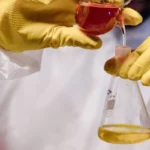
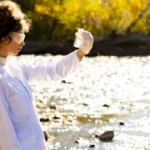
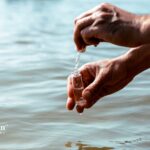
Aquaculture is not going to survive without monitoring water quality. Monitoring keeps things in check so that the farmers will detect any potential issues and rectify them as needed without waiting for serious problems to appear, and thereby reduce the production loss.
We have various techniques of aquaculture water quality monitoring, which ranges from manual testing to automated systems and remote technologies. Whether or not this is chosen will be based on the nature of the operation and species to be raised. The water quality needs to be constantly checked and improved in the case of any method.
The Importance of Proper Stocking Densities in Aquaculture
Correct stocking densities are another critical factor to the best water quality in aquaculture. Overstocking can cause a higher level of waste, poorer water quality, and more pressure on the marine ecosystem — all detrimental to aquatic organisms’ growth and health.
Farmers need to take into account the needs of the species being stocked, the capacity and size of the aquaculture system, and the sources of food and oxygen available to get the stocking densities just right. Keeping stocking densities at the right levels can help farmers keep the water conditions just right and their operations thrive in the long run. Not only that, but the correct stocking density also prevents disease outbreaks and makes the aquaculture system run more efficiently.
Share this on social media:
Facebook
Twitter
LinkedIn