Science of Water Purification
- Published:
- Updated: November 13, 2024
Listen to this article
Summary
Water purification involves removing contaminants from water at a molecular level. Methods include filtration, sedimentation, distillation, chlorination, ozonation, activated carbon, and reverse osmosis.
Common contaminants like bacteria, viruses, chemicals, and minerals are removed to prevent waterborne diseases and improve public health.
Effective water purification technologies vary, each with advantages and disadvantages. Factors like energy use, water waste, and environmental impact should be considered.

We depend on water to live and to irrigate, to drink, to bathe, to cook, to cultivate crops. But not all water is good for us, because it may be contaminated with bacteria, viruses, chemicals and minerals that are harmful to us. That is why water treatment is a must to keep water safe to drink.
Understanding the Molecular Level of Water Purification
Water treatment is the process of purifying the water so that it is safe for drinking. On a molecular level, that means scrubbing bacteria, viruses, chemicals and minerals out of the water. Water purification is essential for public health and eradication of waterborne illnesses.
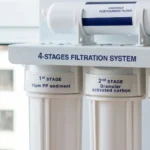
Water purification systems can be of physical, chemical and biological kind. Physical techniques of water purification are filtration, sedimentation and distillation. Filtration: Water goes through a filter to get rid of bacteria and chemicals. Sedimentation is settling water so as to extract the particulates, and distillation boils water to make steam which is distilled out to produce purified water.
Chlorination and ozonation are chemical water purification methods. There is chlorine added to water to kill bacteria and viruses, and there is ozonation added to water to break down contaminants. Activated carbon, reverse osmosis, and other biological purification techniques of water. Activated carbon filters pollutants by absorbing them onto its surface; reverse osmosis pushes water through a semipermeable membrane to draw them out.
Common Contaminants in Drinking Water and Their Removal

Water from farming discharges, industrial discharges, and natural sources like minerals and bacteria can all contain contaminants. The most common contaminants in the water supply are bacteria, viruses, chemicals and minerals.
The water is purified so that it doesn’t carry these toxins and the water is drinkable. One of the most common methods of removing impurities from the water is filtration. In this process, water is filtered to get rid of bacterium and chemicals. Another popular water treatment process is chlorination — which is the use of chlorine added to the water to destroy bacteria and viruses.
Reverse osmosis is the latest version and removes the impurities by pushing the water through a semipermeable membrane. It’s a great way to flush out impurities, but it takes a lot of energy and is very costly. Which water treatment system should be implemented, depends on the communities’ individual circumstances and available resources.
The Health Benefits of Clean Drinking Water
Eating water that is polluted can be harmful, and lead to the transmission of cholera, typhoid, and dysentery, among others. They are diseases that can make you terribly sick, and sometimes even death.
The purification of water is better for the public health, because it removes the contaminants from the water and can be used again. Proper drinking water can help avert water-borne illness, illnesses, and health issues. And clean water, for hygienic and sanitary purposes that will minimise the spread of disease is also necessary.
Even water that is clear will make it easier to eat and think, especially in children. Children who are drinking a safe source of clean water are less prone to water-related diseases that can negatively affect their development. Pure water also gives you hydration for good health and exercise.
Evaluating the Effectiveness of Water Purification Technologies
Different water filtration systems are less effective in filtering water of impurities. Filtration removes dirt and chemicals from water, but not necessarily every contamination. It will kill bacteria and viruses, but it won’t eliminate chemicals or minerals from the water. Reverse osmosis is a fantastic water purification system, but it’s expensive and takes up so much energy.
All types of water filtration have their pros and cons. Filtration is a cheap and easy technique, but it doesn’t necessarily get rid of all the impurities. Reverse osmosis is a great way to go, but it uses a lot of energy and can be costly. This method of water treatment should be determined according to the needs and resources of the community in question.
The Environmental Footprint of Water Purification
The environmental impacts of water treatment may be immense — energy consumption, water discharge, release of chemicals into the environment. Purification energy could be non-renewable (fossil fuels, for example) and a contributor to climate change. Water loss can be an issue too, especially if you’re doing something like reverse osmosis, which uses a lot of water to make just a little bit of purified water.
In order to lower the carbon footprint of water filtration, energy-saving practices and water consumption should be taken care of. If you use natural filters, like bamboo or coconut shell, you will reduce the footprint of filtration. Other sources of energy like solar or wind power can help minimize the carbon footprint of water treatment.
Water Purification Across the World
The technologies used to purify water are different in various parts of the world and water treatment in the developing world is not always easy. In most low-income countries, there is very little clean water, and water-borne disease is a major public health problem. There is often no infrastructure, financing or technical knowledge available to bring efficient water treatment to these areas.
It’s up to the governments to keep drinking water safe, and they can do that by establishing water treatment standards and enforcing laws to protect people’s health. The treatment standards of water may be different from country to country and it is best to find out what regulations and guidelines are followed in each country.
Emerging Trends and Innovations in Water Purification
Water purification industry is in constant flux and countless technologies and inventions are being developed for enhancing the effectiveness of water treatment. Nanotechnology has taken off in water treatment because it can remove pollutants on a smaller scale. Smart technologies including sensors and data analytics are also emerging in water purification industry for real-time water quality monitoring.
Ensuring Safe Drinking Water for Individuals and Communities
Citizens and societies can make a commitment to drinking safe water and becoming less dependent on bottled water. A water filtration system in your home (a pitcher filter, or a faucet-mounted filter) will filter away some of the sludge in your tap water. The right water filtration system will give you peace of mind and help you know the water you’re drinking is safe and isn’t contaminated with any harmful materials.
People and groups can also avoid the use of bottled water by always carrying a reusable water bottle and refilling it from a reliable source. That not only saves plastic, but will save us money in the long run.
The Economic and Social Benefits of Investing in Water Purification Infrastructure
The economic and social returns of investment in water treatment systems can range from better public health to increased economic growth and living standards. Access to safe water could reduce the incidence of water-borne diseases, reduce medical expenses and improve productivity. It also can improve productivity of crops because the farmer has access to sanitary water to water.
A clean water supply can even help to improve well-being because the water supply keeps one hydrated, and also is cleaner and more hygienic. By investing in water purification infrastructure, jobs are also generated and economic growth can happen, since new technologies must be invented and water treatment plants built.
Water filtration is the art and science of promoting public health and reducing the transmission of waterborne pathogens. Physical, chemical and biological water purification methods of water purification are all different and each method has its pros and cons. Health-enhancing and wellbeing-enhancing effects of safe water can be immense, and the cost of investing in water purification facilities is also considerable economically and socially. Water purification is ever-evolving and there are always the technologies and innovations to enhance the water purification process. People and communities can also help protect their water by filtration their water supplies and not having to use bottled water.
Share this on social media:
Facebook
Twitter
LinkedIn

Related Posts