
PFAS water filters to consider in 2025
- Published:
- Updated: February 17, 2025
Listen to this article
Summary
As PFAS contamination becomes an increasing concern, innovative filtration technologies are being developed to effectively remove these harmful substances from water. In 2025, advanced systems such as Granular Activated Carbon (GAC) filters, Ion Exchange Resins, Reverse Osmosis (RO), and Nanofiltration offer promising solutions. These systems vary in their effectiveness, energy efficiency, and suitability for different water profiles, making it crucial for users to choose the right option based on their needs. Ongoing research and improvements in these technologies promise even more efficient, cost-effective solutions in the near future.
Key Points:
- Granular Activated Carbon (GAC): Enhanced GAC filters with improved pore structures can capture a broad range of PFAS compounds, offering a cost-effective solution.
- Ion Exchange Resins: These resins are increasingly efficient in removing PFAS, with innovations focusing on selectivity and sustainability.
- Reverse Osmosis (RO) & Nanofiltration: Both technologies can remove PFAS effectively, with RO systems focusing on energy efficiency and reduced brine waste, and nanofiltration offering a balance between filtration and mineral retention.

In recent years, the growing concern over the presence of Per- and Polyfluoroalkyl Substances (PFAS) in drinking water has prompted significant advancements in water filtration technologies. PFAS, due to their resilience and widespread use, have become a pressing environmental and public health issue. As we look towards 2025, it is crucial to explore the cutting-edge PFAS water filters that promise to deliver safe and clean water. This article explore the latest developments in advanced filtration systems, offering insights into the best water filters available for tackling PFAS contamination. Understanding these technologies is essential for both individual consumers and larger municipal systems aiming to provide uncontaminated water.
Understanding PFAS and Their Impact
PFAS, often dubbed "forever chemicals," are a group of man-made substances that have been widely used in various industrial applications and consumer products since the 1940s. They are found in products ranging from non-stick cookware to water-repellent clothing and firefighting foams. Their chemical stability and resistance to degradation make them persistent in the environment, leading to widespread contamination of water sources. This persistence poses a significant challenge for environmental cleanup efforts and necessitates innovative filtration solutions. These compounds have been linked to adverse health effects, including cancer, liver damage, and developmental issues in infants. The growing body of research highlights the urgent need for effective mitigation strategies to protect human health and the environment.
The Need for Advanced Filtration Systems
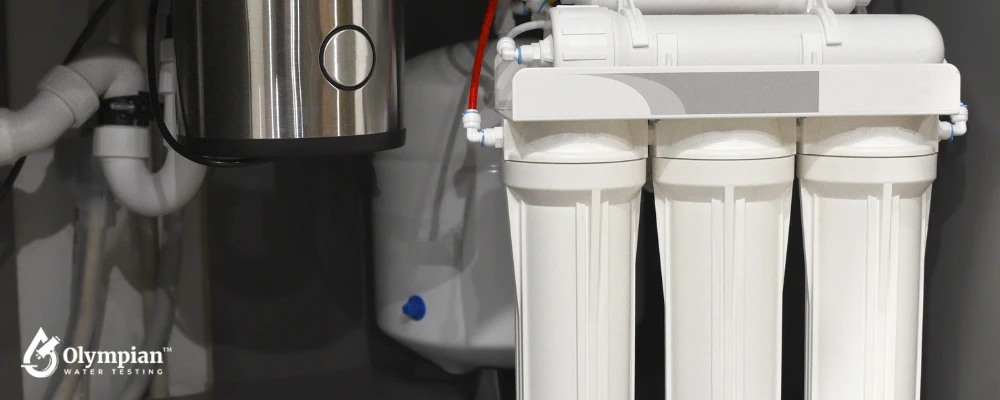
Given the persistence and toxicity of PFAS, traditional water treatment methods are often inadequate in removing these contaminants. Conventional systems like sand filtration and basic carbon filters might not effectively capture these small, resilient molecules. This has led to an increased demand for advanced filtration systems that can effectively capture and eliminate PFAS from drinking water. The development of such systems is critical not only for public health but also for restoring public trust in water safety. The following sections will explore some of the most promising technologies and products set to revolutionize PFAS water filtration in 2025. These innovations promise not only to improve water quality but also to set new standards in filtration technology.
Innovative PFAS Water Filters to Watch
Granular Activated Carbon (GAC) Filters
Granular Activated Carbon (GAC) filters have long been a staple in water purification, and their efficacy in removing PFAS has been well-documented. They operate by adsorbing contaminants onto the surface of the carbon granules, a process that effectively captures various organic compounds. Recent advancements have optimized the pore structure and surface chemistry of GAC filters, enhancing their ability to capture a broader range of PFAS compounds. These improvements have extended the lifespan and efficiency of GAC filters, making them a cost-effective option for both residential and municipal water treatment. Moreover, ongoing research is exploring ways to regenerate and reuse GAC filters, reducing waste and lowering operational costs.
Ion Exchange Resins
Ion exchange resins are gaining traction as a promising solution for PFAS removal. These resins function by exchanging ions with contaminants in the water, effectively trapping PFAS molecules. The latest innovations in resin technology focus on increasing selectivity and capacity, enabling more efficient removal of PFAS from drinking water supplies. Scientists are also exploring new resin compositions that can target specific PFAS compounds, thereby increasing the specificity and efficacy of the filtration process. The ability to tailor these resins for specific contaminants makes them a versatile tool in the fight against water pollution. Additionally, advancements in resin regeneration techniques are improving the sustainability of these systems.
Reverse Osmosis (RO) Systems
Reverse Osmosis (RO) systems are known for their ability to remove a wide array of contaminants, including PFAS. By forcing water through a semipermeable membrane, RO systems can effectively reduce PFAS concentrations to non-detectable levels. The next generation of RO systems is being designed with improved energy efficiency and enhanced membrane durability, making them a viable option for long-term PFAS mitigation. Innovations such as low-energy membranes and modular system designs are helping to reduce the operational costs associated with RO systems. Furthermore, research into reducing the brine waste generated by RO processes is making these systems more environmentally friendly.
Nanofiltration
Nanofiltration is an emerging technology that offers a promising solution for PFAS removal. Operating at a molecular level, nanofiltration membranes are capable of selectively rejecting PFAS compounds while allowing essential minerals to pass through. The development of advanced nanomaterials and membrane structures is expected to further enhance the performance of nanofiltration systems in the coming years. These systems offer a fine balance between filtration efficiency and the retention of beneficial minerals, making them an attractive option for both residential and commercial applications. Researchers are also exploring hybrid systems that combine nanofiltration with other filtration methods to maximize contaminant removal while minimizing energy use.
Selecting the Best Water Filter for PFAS Removal
When choosing a water filter for PFAS removal, several factors must be considered to ensure optimal performance. These include understanding the specific PFAS contamination profile and the unique needs of your water supply. Contaminant Profile: Understanding the specific types and concentrations of PFAS present in your water supply is crucial for selecting an appropriate filtration system. It’s important to conduct thorough water testing to tailor solutions to your specific situation. System Capacity: The capacity of the filtration system should align with your household or facility’s water consumption needs. Larger households or facilities may require systems with higher throughput capabilities. Maintenance Requirements: Regular maintenance is essential to ensure the continued efficacy of the filtration system. Consider the ease of maintenance and availability of replacement parts when making your selection. This ensures the system remains effective and operational over time. Certification and Testing: Look for filters that have been tested and certified by reputable organizations to verify their PFAS removal capabilities. Certifications can provide peace of mind and assurance of a filter’s performance. Additionally, researching customer reviews and expert recommendations can guide you towards the best water filters for PFAS removal that meet your specific needs. Consider factors like the type of filtration media used, as some are more effective against certain PFAS compounds than others. Ultimately, investing in a high-quality water filter is a proactive step in safeguarding your health and ensuring access to clean, safe drinking water.
Real-World Applications and Case Studies
Several municipalities and industries have successfully implemented advanced PFAS filtration systems, offering valuable insights into their real-world applications. These case studies demonstrate the practical benefits and challenges of deploying such technologies. For instance, the city of Oakdale, Minnesota, has deployed a combination of GAC and ion exchange systems to address PFAS contamination in its water supply, resulting in significantly reduced PFAS levels. This success story highlights the importance of tailored solutions that address specific local needs. In the private sector, companies such as 3M and DuPont have invested in cutting-edge filtration technologies to mitigate PFAS emissions from their manufacturing processes, demonstrating the potential for industry-wide adoption of these solutions. These efforts not only protect the environment but also enhance corporate responsibility and public trust.
The Future of PFAS Filtration
As we approach 2025, the landscape of PFAS water filtration continues to evolve. The pace of innovation in filtration technology is accelerating, driven by the urgent need for clean water solutions. Ongoing research and development efforts are focused on improving the efficiency, affordability, and sustainability of filtration technologies. Researchers are exploring new materials and methods that could revolutionize how we approach water purification. Innovations such as advanced nanomaterials, hybrid filtration systems, and AI-driven optimization hold promise for further enhancing PFAS removal capabilities. These developments are expected to create more efficient, cost-effective, and user-friendly filtration options for both consumers and industries.
Conclusion
The challenge of PFAS contamination requires a multifaceted approach, combining state-of-the-art filtration technologies with proactive regulatory measures. Ensuring clean water access necessitates both technological advancements and policy interventions. By staying informed about the latest advancements in PFAS water filters, individuals, municipalities, and industries can make informed decisions to safeguard their water supplies. Continuous education and awareness are key to implementing effective solutions. As we look to the future, the continued commitment to research and innovation will be instrumental in ensuring access to safe and clean water for all. Collaborative efforts across sectors will be essential in overcoming the challenges posed by PFAS contamination.
Share this on social media:
Facebook
Twitter
LinkedIn

Related Posts