Safeguarding Fish Health: The Essential Importance of Regular Water Testing in Fish Tanks
- Published:
- Updated: December 16, 2024
Listen to this article
Summary
Maintaining a healthy fish tank requires regular water testing:
- Importance: Monitor chemical balance, prevent illness, ensure a healthy environment.
- Testing methods: Test strips, kits, electronic testers for accurate analysis.
- Frequency: Weekly testing recommended, more often for new tanks or larger setups.
- Interpretation: Understand ideal levels for ammonia, nitrite, nitrate, pH, and hardness.
- Correction: Act swiftly to correct imbalances with partial water changes, adjusting feeding, or adding supplements.

Fish tank at home are a great hobby to keep and it’s very rewarding, but it isn’t easy and it takes some work to maintain a good water quality for your fish. The biggest thing that goes into ensuring a healthy fish tank is water testing. Water should be tested regularly to see how the water is chemistry wise and to make sure that it is not toxic or unfit for your fish to drink.
What is Water Testing?
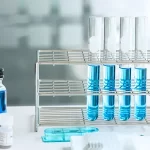
Water testing is an analysis of your fish tank water chemical composition. Among those are, the determination of chemical and nutrient levels, such as ammonia, nitrite, nitrate, pH, hardness, etc.
Water testing is necessary since these chemicals and nutrients are important for the health of your fish. For instance, high concentrations of ammonia are toxic to fish and cause various illnesses, from skin rashes to respiratory irritation and even death. Conversely, if nitrates are too low, plants will suffer and your fish will become sick.
How to Test Your Fish Tank Water

Test your fish tank water with test strips, test kits and electronic testers, to name a few. The most common solution is test strips, they’re inexpensive and straightforward. Simply drop the strip into the water and check for change in color against the chart on the pack to know the water’s chemical and nutritional content.
Also, you have the kits and electronic testers that give a more complete and detailed measurement of the water. But they can be more costly, and take more time and money.
Why is Water Testing Important for Your Fish Tank?
Water testing matters for a variety of reasons such as:
It helps to check the water chemical balance: With frequent water tests, you can check the levels of chemicals and nutrients in the water, so that your fish tank environment stays healthy.
Prevents disease and infection: When you test the water regularly, you can see if the chemical balance is off and make adjustments to get it right before it becomes an issue. This will also stop your fish from developing disease and illness.
It keeps your fish’s tank healthy: Healthy fish tank environment is very important for your fish’s health. The water testing will make sure that the water is safe and is OK for your fish to swim in.
How Often Should You Test Your Fish Tank Water?
The number of times you’ll need to test the water will vary depending on your fish tank size, fish type, and number of fish. You should test your fish tank water on a weekly basis (usually more frequently if you are using a large fish tank) generally.
If you have a larger tank or more fish you will have to test the water more frequently. If it is a new tank you have just installed, test the water every day for the first couple weeks, the water will be a mix and the pH will change during the cycles and stabilization of the tank.
How to Interpret the Results of Your Water Test
It is not always obvious what to do with your water test results, especially if you are a beginner in keeping fish. You have to know what the different chemical compounds in the water means and where the right levels are for your fish. Here are some of the most important chemicals to check in your fish tank water:
Ammonia: Ammonia comes from the waste and food of fish, and in large quantities is poisonous to fish. A good ammonia level is 0 ppm (parts per million).
Nitrite: Nitrite is produced by the digestion of ammonia and is a poison to fish. Nitrite – optimal level is 0 ppm.
Nitrate: Nitrate is made from the digestion of nitrite and it is not as toxic to fish. The optimum nitrate should be less than 40 ppm.
pH: The pH of the water is an acidity or alkalinity. Different species of fish prefer different pH ranges, but 6.5 to 7.5 is about the optimal range for most fish.
Hardness: Hardness of the water indicates the amount of minerals that are in the water. You will find the best hardness in accordance with the fish you keep, but it’s safe for most fish to be between 5 and 20 dKH (degrees of carbonate hardness).
Note that these are very rough guidelines, and that the correct levels of chemical will vary from fish species you keep. Please always ask a professional or the manufacturer of your test kit for specifics.
How to Correct Imbalances in Your Fish Tank Water
Chemical balance is key in keeping your fish tanks hydrated. You can see when something’s off and do something quickly to make it right. Overfeeding, under-filtering, overstocking and excessive ammonia levels can all be redressed with a partial water change, reduced feeding, or bacterial supplement. Nitrite is high due to a new fish tank still cycling, overfeeding or under-filtering and can be remedied by a partial water change, feeding reduction or bacterial supplement.
If you are experiencing high nitrate, this can be overfeeding, under-filtering or overstocking and can be reduced through a partial water change, feeding less, or with live plants added to absorb the nitrates. You can get low pH due to low alkalinity or acidic materials and repair the low pH levels with an alkalinity supplement or a partial water change with a higher pH water. Hardness is caused by excess minerals in the water and is fixed with partial water change from a lower hardness water.
Share this on social media:
Facebook
Twitter
LinkedIn

Related Posts