Reverse Osmosis Systems vs Whole House Water Systems
- Published:
- Updated: July 9, 2025
Summary
Reverse osmosis (RO) and whole house water systems both purify water but differ in their approach and coverage. While RO systems focus on providing purified drinking water, whole house systems treat all water entering the home. Understanding their differences helps in choosing the right solution based on household needs.
- Reverse Osmosis: Effective at removing a wide range of contaminants, ideal for drinking water, but has limited output and generates wastewater.
- Whole House Systems: Provide comprehensive filtration for all household water, protecting plumbing and appliances, but can be costly and require maintenance.
- Choosing Between Them: Consider factors like water quality needs, household size, and budget when deciding between RO and whole house systems.

In the realm of water purification, two systems often come up for discussion: reverse osmosis systems and whole house water systems. Each serves distinct purposes and functions under different principles, thereby catering to diverse needs. Understanding the differences between these systems is crucial for making informed decisions about water purification solutions. Both systems aim to improve water quality, but they do so in unique ways that may align differently with various household needs and preferences.
In this article, we explore the intricacies of both reverse osmosis systems and whole house water systems, elucidating their mechanisms, benefits, and limitations. By exploring these aspects, we aim to provide a comprehensive guide that will help you determine which system best suits your household’s water purification needs.
Understanding Water Purification Systems
Water purification systems are engineered to remove impurities and contaminants from water, thereby improving its quality and safety for consumption. These systems can vary significantly in their design, functionality, and the types of contaminants they target. The primary goal of any water purification system is to ensure that the water is safe for all intended uses, whether it be for drinking, cooking, or general household tasks.
Different systems employ various technologies to achieve purification, from simple mechanical filtration to more complex chemical and biological treatments. The choice of system often depends on the specific contaminants present in the water and the desired level of purity. Understanding these differences is key to selecting the most effective system for your needs.
Reverse Osmosis Systems
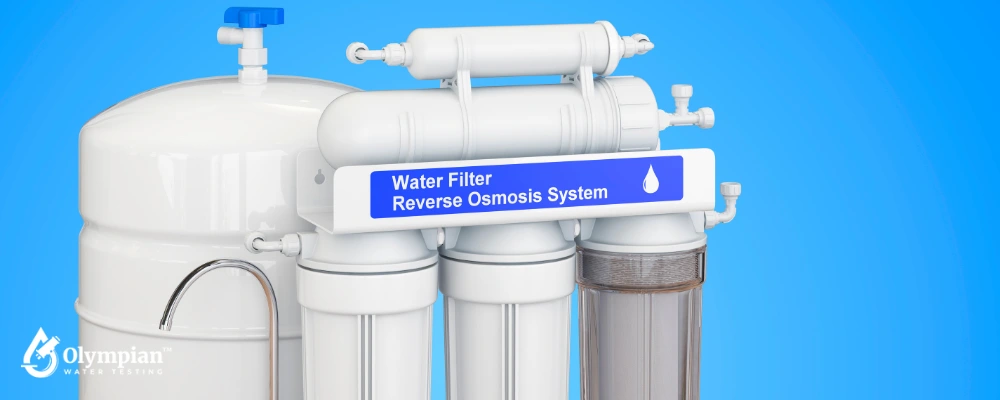
Reverse osmosis (RO) systems are renowned for their ability to remove a wide range of impurities, including dissolved salts, bacteria, and other pathogens. They work on the principle of osmosis, where water is forced through a semi-permeable membrane, leaving contaminants behind. This method is particularly effective for producing high-quality drinking water, as it targets the most common and harmful contaminants.
RO systems are typically installed under the kitchen sink or at a specific point of use, providing purified water directly to a tap. This localized approach makes them ideal for households concerned primarily with drinking water quality. Their modular design also allows for easy upgrades and maintenance, ensuring long-term effectiveness.
Mechanism of Reverse Osmosis
The reverse osmosis process involves multiple stages of filtration. Initially, water passes through pre-filters that remove larger particles such as sediment and chlorine. These initial stages are crucial for protecting the delicate membrane, extending its life and maintaining system efficiency. The core of the system is the semi-permeable membrane, which effectively blocks contaminants while allowing water molecules to pass through.
Post-membrane filters further polish the water, enhancing its taste and quality. These final stages may include activated carbon filters to remove any remaining odors or tastes, ensuring the water is not only safe but also pleasant to consume. This multi-stage process is designed to maximize contaminant removal while preserving essential minerals and maintaining an adequate flow rate.
Benefits of Reverse Osmosis Systems

- High Contaminant Removal: RO systems are effective in eliminating a broad spectrum of contaminants, including heavy metals, nitrates, and fluoride. This makes them one of the most comprehensive point-of-use solutions for water purification, addressing both health and aesthetic concerns.
- Improved Taste and Odor: By removing chlorine and other chemical residues, RO systems enhance the taste and odor of water. This is particularly beneficial for households in urban areas where water can often have an unpleasant taste due to municipal treatment processes.
- Cost-Effective: Although initial installation can be costly, the long-term benefits and minimal maintenance make RO systems economically viable. The durability and efficiency of these systems often result in significant savings over time, especially in areas with poor water quality.
Limitations of Reverse Osmosis Systems
- Limited Output: RO systems typically produce water slowly, which may not suffice for large households. This limitation means that they are best suited for specific uses like drinking and cooking, rather than whole-house applications.
- Wastewater Generation: The process produces a significant amount of wastewater, which may be a concern in water-scarce regions. This inefficiency is a major drawback, requiring consideration of environmental impacts and water conservation strategies.
- Selective Filtration: While effective against many contaminants, RO systems do not remove all chemicals, such as volatile organic compounds (VOCs). This means additional filters may be needed to address specific water quality issues, adding complexity and cost.
Whole House Water Systems

Whole house water systems, also known as point-of-entry (POE) systems, treat all water entering a home. They are designed to filter water for all household uses, including drinking, bathing, and cleaning. This comprehensive approach ensures that every drop of water used in the home is treated, providing consistent quality throughout.
These systems are particularly beneficial for homes with well water or those located in areas with known water quality issues. By addressing contaminants at the point of entry, they protect both the household’s health and its infrastructure, such as plumbing and appliances.
Mechanism of Whole House Water Systems
These systems generally comprise several stages of filtration, including sediment filters, carbon filters, and sometimes more advanced purification processes like UV treatment or water softening. Each stage is designed to address specific types of contaminants, from large particles to microscopic pathogens. The aim is to provide comprehensive treatment for a variety of water quality issues.
Advanced systems may incorporate specialized filters for removing specific contaminants such as iron or sulfur, which are common in certain geographic areas. This customization allows for targeted treatment based on the unique water characteristics of a given location. Additionally, whole house systems can be integrated with existing plumbing, making them a seamless addition to any home.
Benefits of Whole House Water Systems
- Comprehensive Coverage: These systems ensure that all water used in the household is treated, offering a consistent water quality experience. This means that all household activities, from drinking to bathing, benefit from purified water.
- Protection of Plumbing and Appliances: By removing sediment and scale, whole house systems protect plumbing and extend the life of appliances. This can result in significant savings on maintenance and replacement costs over time.
- Customizable: They can be tailored to address specific water quality concerns based on regional water analysis. This flexibility allows homeowners to focus on the most pressing issues, ensuring effective and efficient purification.
Limitations of Whole House Water Systems

- Initial Cost: The installation of a whole house system can be expensive, especially if additional components like water softeners are required. This upfront investment can be a barrier for some households, although it often pays off in long-term benefits.
- Maintenance Requirements: Regular maintenance is necessary to ensure optimal performance and longevity. This includes periodic replacement of filters and components, which can be both time-consuming and costly.
- Less Effective for Specific Contaminants: While great for general water quality improvement, these systems may not be as effective against certain specific contaminants compared to RO systems. This may require additional treatment solutions for drinking water, adding complexity to the setup.
Comparative Analysis: Which System to Choose?
Choosing between a reverse osmosis system and a whole house water system depends on various factors, including specific water quality issues, household size, and budget constraints. Each system has its strengths and weaknesses, making the decision highly context-dependent.
Key Considerations
- Water Quality Needs: If your primary concern is drinking water quality, an RO system might be more suitable due to its high contaminant removal capability. However, if you aim for comprehensive water treatment for the entire home, a whole house system would be ideal. Assessing your specific water quality needs is crucial to making the right choice.
- Household Size and Water Usage: Larger households with high water consumption may benefit more from the extensive coverage of a whole house system, while smaller households with specific drinking water concerns might find an RO system sufficient. Consider how much water your household uses daily and for what purposes.
- Environmental Impact: Consider the environmental implications, such as wastewater production in RO systems and the resource intensity of whole house systems. Balancing water quality improvement with ecological responsibility is an important part of the decision-making process.
- Budget and Installation: Evaluate the cost of installation and maintenance for each system, keeping in mind long-term operational costs. While initial expenses are important, ongoing costs can significantly impact the overall affordability of the system.
Practical Advice for Implementation
For those with water quality issues or regulatory water testing needs, consulting with a water quality expert is advisable. They can provide a detailed analysis of your water and recommend the most suitable purification system tailored to your specific needs. An expert can also offer insights into local water quality trends and potential future challenges.
Steps to Take
- Water Testing: Conduct a comprehensive water quality test to identify contaminants present and their concentrations. This will provide a clear understanding of the current state of your water and highlight areas needing improvement.
- Consultation: Engage with a water quality consultant or environmental expert to interpret test results and discuss potential solutions. This step ensures that you make an informed decision based on professional advice.
- System Selection: Based on expert advice, select a system that aligns with your water quality needs, lifestyle, and budget. Consider future-proofing your choice by selecting a system that can be upgraded or expanded as needed.
- Professional Installation: Hire a qualified professional to ensure correct installation and optimal system performance. Proper installation is critical to the system’s effectiveness and longevity.
- Regular Maintenance: Adhere to maintenance schedules to sustain system efficiency and water quality. Routine checks and timely replacements keep the system running smoothly and prevent potential issues.
Conclusion
Both reverse osmosis systems and whole house water systems offer unique advantages and cater to different needs. Understanding their mechanisms, benefits, and limitations will empower you to make informed decisions about water purification solutions. With the guidance of a water quality expert, you can implement a system that not only meets your specific requirements but also contributes to the health and well-being of your household. By choosing the right system, you ensure safe, clean water for all your household’s needs, enhancing both quality of life and environmental sustainability.
Share this on social media:
Facebook
Twitter
LinkedIn

Related Posts