Preserving Our Pristine Ponds: The Essential Link between Watershed Conservation and Water Quality
- Published:
- Updated: December 16, 2024
Listen to this article
Summary
Ponds are vital ecosystems threatened by human activities. Understanding watershed conservation‘s role in maintaining water quality is essential.
- Watershed Conservation: Protecting areas draining into ponds preserves water quality.
- Best Practices: Conservation on surrounding lands, limiting human activities, and regular water quality monitoring are key.
- Community Involvement: Educating and involving communities fosters stewardship for pond preservation.

Ponds are a part of our natural world, providing so much to the ecology and to those around us. But the quality of our ponds is always threatened by humans and the natural world. Keeping our ponds healthy and beautiful means knowing how watershed conservation impacts water quality.
Watershed Conservation and Its Importance
A watershed is a piece of land that empties into a body of water (lake, river, pond). Health of a New York watershed affects the quality of the body of water into which it drains. Humans, from agriculture, development and logging, can cause more runoff and erosion that will impact the quality of the water at the watershed’s ponds. We have to save and preserve the watersheds in which our ponds are fed if we are to keep them healthy and good.
Human-generated problems with water quality could affect the environment and animals that use it. For instance, agricultural technologies like pesticides and fertilisers may result in more nutrients in the water, a boost that encourages harmful algae to grow and oxygen levels to decline. The same goes for development and timber cutting which result in more runoff and erosion leading to sedimentation and harm to the pond health. Conserving the watersheds that supply our ponds will help to keep humans as far away from water quality as possible and keep the pond ecosystem alive and healthy.
Best Practices for Preserving and Restoring Ponds

To preserve and restore the health of our ponds, it is essential to implement best practices that minimize the impact of human activities on water quality. Some of the best practices include:
- Implementing conservation practices on surrounding lands: Planting vegetation, such as trees and shrubs, can help to reduce runoff and erosion, as well as provide habitat for wildlife. By conserving the lands that surround the pond, we can ensure the health of the watershed and the water quality of the pond.
- Limiting human activities in and around the pond: Human activities, such as fishing, boating, and swimming, can harm the health of the pond and the wildlife that depend on it. By limiting these activities and promoting responsible use of the pond, we can help to preserve its health and beauty.
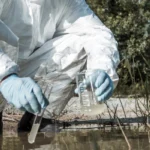
- Monitoring and testing the water quality regularly: Regular monitoring and testing of the water quality can help us identify any changes or problems, and take action to address them. By monitoring the water quality, we can ensure that our ponds remain healthy and provide the numerous benefits they offer.
The Role of Community Involvement in Pond Preservation
It takes a village to make pond conservation work. The more people know about the pond and why they should care about saving and protecting it, the more people will be informed and will respond to action to save it. From volunteer cleanup to help with land conservation, there are several ways to get involved in your local community. We can keep our ponds healthy and vibrant for future generations by coming together.
What is the relationship between land use and water quality?
The land-use-water-quality equation is complicated and interacting. Land use: agricultural, development, logging can all have an impact on the watershed and therefore the pond water quality. For instance, agriculture (pesticides and fertilisers) can add nutrients to the water, encouraging harmful algae and poor water quality. And the same goes for construction and logging, where more runoff and erosion can contribute to sedimentation and damage the pond’s water quality. We can be mindful of land use and use best practices to prevent runoff and erosion so that we don’t negatively impact water quality or harm the health of our ponds.
The Importance of Monitoring and Testing Water Quality
Our ponds are too sensitive to water quality unless we check and test it regularly. Monitoring daily allows us to notice when the water quality is shifting, and react accordingly. Among the water quality indicators are pH, temperature, dissolved oxygen and pollutants. We can help keep our ponds in good shape and enjoy all the other wonders they have to offer our society and our planet by regularly monitoring and testing their water quality.
What is the Benefits of a Healthy Pond Ecosystem?
The healthy pond ecosystem is not only good for the planet, but also for the people living around it. Ponds house fish, frogs and waterfowl of all sorts. They are also recreational, for example, fishable, boatable and swimmable, as well as an irrigation and drinking water. Healthy pond ecology can also limit flooding and improve downstream water quality. If we maintain our healthy ponds, they will offer these for the next generation.
The Future of Pond Conservation and Preservation Efforts
The conservation and preservation of ponds will not be around forever if we don’t act today. By following best practices for pond preservation and restoration, pond education, water quality monitoring and testing, we can make sure that our ponds stay healthy and bring the many benefits to our communities and the ecosystem. With our population growing ever increasing, the ponds and their watersheds will need to be protected for future generations and now is the time to act.
Share this on social media:
Facebook
Twitter
LinkedIn

Related Posts