Quality Control: The Importance of Monitoring Water Quality
- Published:
- Updated: December 16, 2024
Listen to this article
Summary
Monitoring water quality is essential for safeguarding human health, ecosystems, and industrial processes.
- Regular testing identifies contaminants like lead and pesticides, ensuring safe drinking water.
- Parameters measured include pH, temperature, and total dissolved solids to assess overall water quality.
- Monitoring benefits public health, aquatic life, industries, and the environment, while advancing technology promises more efficient methods for the future.

Water Quality Control is an essential part of water management, since it maintains that water is safe and can be used for other purposes. Keeping tabs on water quality will help you spot any contaminants or chemical shifts that might damage people or the environment. They test and analyze water samples regularly to find out the level of pollutants and the quality of the water. If we use good quality control, then our water will be preserved and can last us for the foreseeable future.
The Importance of Water Quality Monitoring
Environmental and health risks must be monitored in the water quality. Water pollution can be harmful to human health, aquatic organisms and the natural world. Water quality monitoring will also catch a bug before it gets large and unmanageable. And water quality needs to be monitored to make sure that it is not dangerous for humans, industry and aquatic life. High water quality is a matter of public health, environmental integrity and the economy.
What is Measured in Water Quality Monitoring?
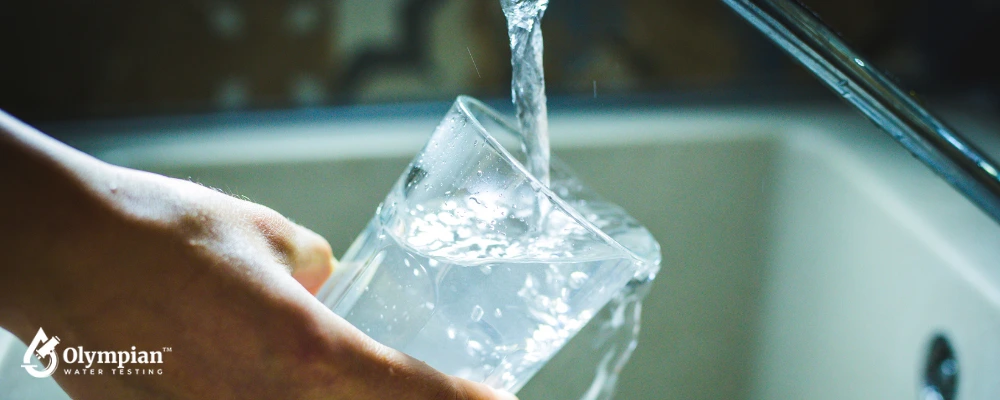
Water quality monitors track many factors to gauge the quality of water. These include pH, temperature, total dissolved solids, conductivity, turbidity and even chemicals that are toxic, like lead, mercury and pesticides. pH, measures the acidity or basicity of the water, which affects the dissolution of some things in the water. Temperature determines how gases lubricate each other and how bacteria grow in the water. Total dissolved solids refers to how much of the substance that is present in the water is dissolved: salts and minerals. Conductivity is the measure of water’s capacity to conduct electricity, a function of how much salt and mineral there are in the water. Turbidity is the cloudiness of the water — the amount that has been produced by suspended solids or algae.
The Benefits of Monitoring Water Quality
There are many benefits to monitoring water quality, including:
- Protecting public health: Water quality monitoring helps ensure that drinking water is safe and free of harmful contaminants that could cause illness. Contaminants such as lead, mercury, and pesticides can cause serious health problems if consumed in large amounts over time. Monitoring water quality helps to identify such contaminants early and prevent them from becoming a larger problem.
- Protecting aquatic life: Contaminants in water can harm aquatic life and disrupt ecosystems. Monitoring water quality helps identify and prevent such problems. For example, high levels of nitrogen and phosphorus in water can lead to an overgrowth of algae, which can harm fish and other aquatic life by reducing the amount of oxygen in the water.
- Supporting industrial processes: Many industrial processes rely on water and require specific water quality parameters. Monitoring water quality helps ensure that the water used in these processes is suitable and safe. For example, some industrial processes require water with a specific pH or temperature to work properly. Monitoring water quality helps ensure that these conditions are met.
- Maintaining the environment: Contaminants in water can harm the environment and ecosystems. Monitoring water quality helps prevent such harm and maintain a healthy environment. For example, pollutants such as oil and chemicals can harm wildlife and damage habitats if they are present in water in large quantities. Monitoring water quality helps prevent such problems from occurring.
How to Monitor Water Quality
Monitoring water quality is accessible both in labs and on the ground. Sample collection – collecting water and processing it in the laboratory for the analysis of contaminants and others. The approach is common in water testing for drinking water and industrial wastewater. Field monitoring: Water quality parameters can be measured on the ground with portable instruments. In the field, river, lake, or other bodies of water are regularly checked for seasonal changes in water quality.
Who is Responsible for Monitoring Water Quality?
What is actually held accountable for the monitoring of water quality largely depends on where the water comes from and for what purpose. In most instances, the government is responsible for inspecting public water supplies to ensure drinking and other uses are safe. Private well owners are the ones responsible for keeping a watch on their own well water. Industries with water use to monitor water quality. All sides must ensure that they fulfill their obligations, and water quality monitoring is the top priority so that water continues to be healthy and available for the purpose it was created for.
The Future of Water Quality Monitoring
The more tech that is developed, the better and easier water quality monitoring will be. The technology to track water quality in real time might include, for instance, improvements in sensor technology and machine learning. And more coordination and standardisation between countries and organisations could make water quality monitoring more effective and efficient.
Advances in Technology for Water Quality Monitoring
Water quality monitoring is becoming more accurate and efficient due to new technologies. Real-time sensors, remote sensing, and artificial intelligence-based data analysis are yielding information about parameters of water quality. Several parameters can be tracked in real time, such as pH, temperature and contaminant concentration, and instantaneously notify when values are above or below permissible limits. These improvements make water management proactive and reactive, so that future problems can be dealt with at a moment’s notice.
Conclusion: Ensuring Safe and Sustainable Water through Monitoring
Water quality is essential to public health, the ecology and the function of industry. Testing and inspection are done routinely, so contaminants are identified early on so water can be consumed and used. Monitoring pays dividends for aquatic species, for ecological sustainability and for economic activities that require good water. Water quality monitoring will get smarter as technology gets smarter, which will make it more possible for us to ensure we have safe and clean water for future generations. It’s a work-in-progress that demands commitment from governments, businesses and individuals.
Share this on social media:
Facebook
Twitter
LinkedIn