Are Older Homes More Prone to Lead Contamination in Water
- Published:
- Updated: February 17, 2025
Listen to this article
Summary
Older homes, especially those built before 1986, are more likely to have lead pipes and fixtures that can leach lead into drinking water. Lead exposure, even at low levels, can cause serious health issues, particularly for children and pregnant women. In this article, we explore the risks of lead contamination, how to identify lead sources, and the importance of water quality testing. We also provide practical advice for preventing lead exposure and managing lead poisoning risks, especially during renovations.
- Health Risks: Lead exposure can result in developmental issues in children, kidney damage, and high blood pressure in adults.
- Identifying Lead Sources: Check for lead pipes, fixtures, and solder, particularly in homes built before 1986.
- Prevention and Remediation: Replace old pipes, install certified lead-removal filters, and flush standing water to reduce exposure.
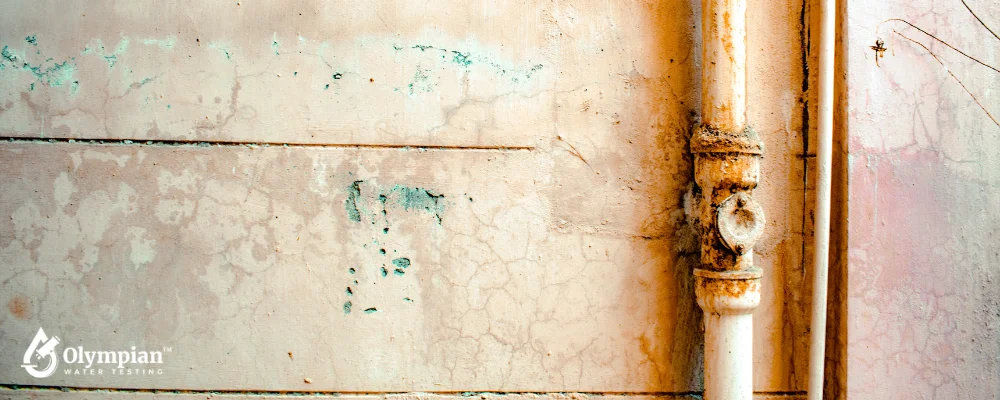
Older homes hold a certain charm. They carry a sense of history and character that newer constructions often lack. However, they may also harbor hidden health hazards, one of which is lead contamination in water.
Lead is a toxic metal that can leach into your drinking water from corroded pipes and fixtures. This is particularly common in homes built before 1986, when the use of lead in plumbing materials was significantly restricted. The health risks associated with lead exposure are serious, especially for pregnant women, infants, and young children.
In this article, we explore the issue of lead contamination in older homes. We’ll explore the causes, the health implications, and the importance of water quality testing services. We’ll also provide practical advice on lead poisoning prevention and steps to take when renovating old houses.
Our goal is to equip you with valuable information to identify and mitigate lead contamination risks. Whether you’re a homeowner, a real estate investor, or involved in renovating old houses, this article is for you.
Understanding Lead Contamination in Older Homes
Lead contamination in water is a pressing concern in older homes. This issue primarily stems from outdated plumbing materials used in past decades. As these materials age, they become more prone to corrosion.
Older plumbing systems often include lead pipes, fixtures, and solder. These components can leach lead into your water supply. It’s a gradual process that many homeowners may not notice immediately.
To effectively address this issue, it’s crucial to understand the key factors that contribute to lead contamination. These include:
- Age of the plumbing system
- Water acidity or low mineral content
- Presence of lead solder or fittings
Awareness of these factors can help you make informed decisions about testing and remediation. With this knowledge, you can take proactive steps to protect your family’s health.
The Legacy of Lead in Plumbing

The use of lead in plumbing dates back centuries. Its flexibility and durability made it a favorite choice for construction. However, the health hazards became impossible to ignore over time.
In the United States, significant restrictions on lead in plumbing materials came after the 1986 Safe Drinking Water Act amendments. Homes built before this regulation are the most at risk. They commonly contain lead pipes and solder joints.
Despite modern advancements, the legacy of lead continues. It’s essential for homeowners to be vigilant and informed about the materials in their plumbing systems.
Health Risks Associated with Lead Exposure
Lead poses a variety of health risks, even at low levels. It is especially harmful to vulnerable groups like pregnant women, infants, and children. Their developing bodies and brains are particularly susceptible to the toxic effects of lead.
Symptoms of lead poisoning can be subtle and easily overlooked. They include fatigue, irritability, and headaches. Over time, exposure can lead to more severe complications, such as kidney damage and neurological disorders.
The Environmental Protection Agency (EPA) has set the maximum contaminant level goal for lead in drinking water at zero. This underscores the severity of potential lead exposure consequences. Even minor exposure can have lasting effects on physical and mental health.
Understanding these risks highlights the critical need for regular water quality testing services. Knowledge of lead’s health risks empowers homeowners to take proactive measures. Early identification and intervention can substantially mitigate the harm caused by lead contamination.
Identifying Lead Sources in Your Home
Discovering lead in your home’s water supply starts with identifying its sources. This involves inspecting not just visible plumbing, but also hidden systems.
Older homes often contain lead pipes and solder that may not be immediately visible. Pipes may be buried behind walls or under floors. Closely examine the construction date of your home to assess the likely risk.
Pay attention to fixtures such as faucets that might contain lead. Also, consider any use of brass or chrome-plated fixtures. These can contain lead and be a source of contamination.
To further identify potential sources, conduct a thorough assessment by considering:
- Type of pipes (lead, copper with lead solder, etc.)
- Age of fixtures and plumbing systems
- Signs of corrosion such as leaks or discolored water
Regular inspections can help you detect and address these hidden risks early. Use this information to guide effective testing and mitigation efforts.
When Renovating Old Houses
Renovating old houses can unintentionally increase the risk of lead exposure. Disturbing lead-based materials releases lead dust into your environment. This happens when old pipes or fixtures are replaced.
It’s crucial to plan renovations with lead safety in mind. Use certified lead-free materials and comply with safety guidelines. This not only protects your family, but also the renovation crew.
Seal off the renovation areas to prevent lead dust from spreading. Employ HEPA filters to capture airborne lead particles. Careful containment is essential during construction activities.
Lastly, consider consulting with professionals experienced in handling lead hazards. They can offer advice and ensure that all safety protocols are followed during your project. This approach minimizes risk and ensures a safer home environment post-renovation.
Water Quality Testing Service: Your First Line of Defense
Ensuring safe drinking water in your home starts with water quality testing. Testing identifies lead contamination levels and informs you of potential health risks.
A water quality testing service provides a comprehensive analysis of your household water. Professionals have tools and expertise for accurate results. Their data can guide necessary remediation steps.
Key benefits of using a water quality testing service include:
- Accurate detection of lead and other contaminants
- Professional sampling techniques to ensure precision
- Comprehensive reporting for informed decision-making
Regular testing is essential, especially for homes with older plumbing. This proactive approach helps maintain a safe water supply and peace of mind.
Investing in a quality testing service is a small price to pay for your family’s health. It is the foundation for any lead contamination prevention plan.
DIY vs. Professional Testing
Choosing between DIY and professional water testing depends on several factors. DIY kits offer convenience and affordability. However, they might lack the precision of professional tests.
DIY water testing kits provide a quick overview of lead levels. These kits are great for preliminary checks. But their results can sometimes be misleading or inaccurate.
On the other hand, professional testing offers a thorough analysis. It involves certified experts who perform detailed evaluations. They use advanced equipment to detect even low levels of lead.
If you suspect serious contamination, professional testing is advisable. It provides reliable data to guide any necessary interventions. Consider professional help especially if your water quality influences health or home value. Thus, whether opting for DIY or professional methods, ensure the chosen path fits your needs and priorities.
Lead Poisoning Prevention and Remediation
Preventing lead poisoning is crucial, especially in homes with a lead history. Immediate action reduces exposure risks effectively. Remediation strategies ensure long-term safety.
Lead contamination is often invisible but not indefensible. Simple steps can significantly lower lead levels in your water. Prioritizing these actions can protect vulnerable family members, like children.
Consider these preventive measures:
- Replace old lead pipes and fixtures
- Install certified lead-removal water filters
- Regularly clean faucets and aerators
Effective lead poisoning prevention involves continuous attention and adaptation. Testing water quality regularly reinforces your protective measures. Awareness and education play critical roles.
Staying informed about lead sources and risks is vital. Initiatives like community workshops and government resources support homeowners. Empowerment through knowledge fosters safer environments.
Immediate Steps to Reduce Exposure
Acting swiftly can dramatically minimize lead exposure. Start by using only cold water for drinking and cooking. Hot water may cause more lead to leach from pipes. Furthermore, consider using water filters certified to remove lead, as they can provide an extra layer of protection. In cases where water quality is a significant concern, boiling water and lead removal techniques should be employed to ensure safety. Regularly testing your water for lead content can also help you stay informed and take necessary actions.
Flush water systems by running taps for a few minutes before use. This process clears standing water that may have absorbed lead. It’s a straightforward, effective precaution.
Besides water habits, examine your plumbing system. Inspect for signs of corrosion, as these could indicate higher lead risks. Addressing corrosion can lower the likelihood of lead leaching.
Regularly clean faucet aerators to remove trapped particles. This practice reduces potential contamination sources. Each small action cumulatively improves water safety.
Long-Term Solutions for a Lead-Free Home
Achieving a lead-free home demands a strategic approach. Begin with a detailed evaluation of your plumbing system. Identify and prioritize lead source removals, such as old pipes and fixtures.
Invest in replacing lead service lines with safer alternatives. This permanent solution significantly reduces contamination risks. Though costly, it assures long-lasting safety for your family.
Install whole-house water filtration systems to consistently remove lead. Ensure filters are certified and maintain them regularly for optimal performance. This enhances water quality throughout your home.
Stay informed about regional lead abatement programs and resources. They might offer financial assistance for lead pipe replacements. Engaging with these initiatives supports community health efforts.
Through these actions, you create a safer, healthier home environment. Commitment to long-term solutions not only benefits your family but also contributes to broader public health improvements.
Navigating Regulations and Resources
Understanding the landscape of regulations and resources is crucial for managing lead risks. Local and federal guidelines provide frameworks to follow. They help in ensuring water safety compliance.
Several regulations exist to address lead contamination. Knowing them guides homeowners in making informed decisions. This knowledge bridges the gap between awareness and action.
Key resources can aid in lead mitigation efforts:
- Environmental Protection Agency (EPA) guidelines
- Local health department advisories
- Community lead-abatement programs
These resources offer valuable support and information. Engaging with them empowers homeowners to tackle lead issues head-on. They simplify navigating the complexities of regulatory adherence.
Involvement in community initiatives can enhance awareness. Workshops and seminars educate and facilitate sharing of experiences. This collective knowledge strengthens the push for lead safety.
Understanding Local and Federal Guidelines
Lead contamination regulation is a multi-tiered effort, spanning various levels of governance. Federal guidelines set overarching standards while local rules address community-specific needs. Knowing these ensures compliance and safety.
The Safe Drinking Water Act is pivotal in regulating lead in water. It mandates public water systems to monitor and reduce lead levels. This federal law safeguards drinking water quality nationwide.
Local guidelines often complement these federal standards. They can include stricter regulations tailored to community conditions. Awareness of these localized efforts is critical for residents.
Keeping abreast of updates to these guidelines is important. Policies evolve with new research and developments. Staying informed ensures that homeowners meet the most current standards for water quality.
Conclusion: The Importance of Being Proactive
Being proactive is key to managing lead risks in older homes. Early detection and action prevent potential health issues. With lead, there’s no safe level of exposure.
Homeowners in older properties face unique challenges. Awareness and education are powerful tools. They guide preventative measures and ensure safety.
Taking action today secures a healthier tomorrow. Regular testing and maintenance safeguard against contamination. A vigilant approach protects both health and property values. Be informed and take steps toward a lead-safe environment.
Share this on social media:
Facebook
Twitter
LinkedIn

Related Posts