Pioneering Water Reuse and Recycling: What's Next?
- Published:
- Updated: November 21, 2024
Listen to this article
Summary
Water reuse and recycling are crucial for addressing water scarcity, protecting the environment, and achieving cost savings. Methods include municipal and industrial wastewater treatment, greywater treatment, and rainwater harvesting. Benefits include water conservation, cost savings, and environmental protection. The future of water reuse and recycling involves advanced treatment technologies, decentralized systems, smart water management, and increased awareness and policy support. These developments will help ensure sustainable water management and conservation for future generations.
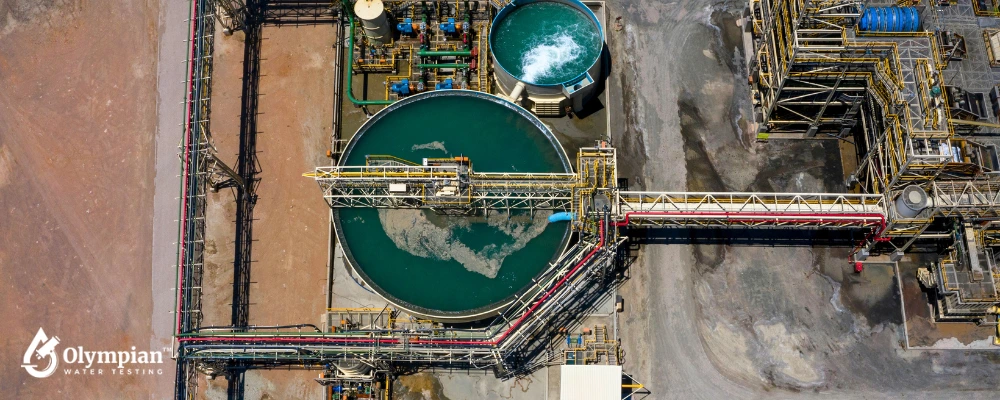
Water reuse and recycling is a very active area of environmental sustainability. A leading edge of research in this space is looking for new, fresh ways to preserve and safeguard this treasure. In irrigation, industry, etc., treated wastewater is becoming ubiquitous. Yet a lot remains to be done to unlock the full promise of water recycling and reuse.
What is Water Reuse and Recycling?
Water reuse and recycling: the treatment of the sludge for reuse. Water is cleansed of contaminants and bacteria so it’s safe for non-potable uses such as irrigation and gardening. In some cases, the water is so good it’s usable.
The Importance of Water Reuse and Recycling

This has multiple causes, and reuse and recycling of water is an ever-more-important one:
Water depletion: Most areas of the world are suffering from water depletion and water reuse and recycling is the answer to that. Reusing water means we do not have to use freshwater as much, and we keep it.
Preserving the natural environment: Waste water release to the environment may be harmful to nature and the biosphere that depend on it. The water we reuse and recycle will reduce waste water produced for the environment.
Save on cost: Reuse and recycle water can save on cost, too, since you don’t have to mine, purify and transport freshwater anymore. Also, most industries produce massive amounts of waste water, that can be cleaned and reused, rather than being thrown out into the environment.
How is Water Reused and Recycled?
Reuse and recycling of water are an important part of sustainable resource management, and there are several ways in which we can do that. Local wastewater treatment, for example, essentially cleanses wastewater coming from houses, offices and other sources of pollutants and microbes. The filtered water is used again for non-potable purposes like irrigation and landscaping.
Furthermore, industrial wastewater treatment also recycles water. Many industries create enormous volumes of effluents that can be re-used for many different things. So for instance, wastewater in food or beverage manufacturing can be processed and reused for irrigation or cooling.
There is also greywater treatment, which is the treatment of sewage water from showers, sinks and washing machines. The water from it is filtered and reused for non-potable use, a part of water conservation.
Water collected through rain harvesting can be used to store and reuse the water thus lessening the need for fresh water. This approach is especially useful where water availability is a problem or groundwater usage is restricted. In doing so, with these various techniques, we can make use of water wisely and leave less of a footprint.
Benefits of Water Reuse and Recycling
The following are some advantages of water reuse and recycling:
Water conservation: Reuse and recycle water and we can save fresh water, thus preventing need for new sources of water. It helps keep this rare resource on the shelves for the next generation.
Saving money: Repurposing and recycling water saves money as you will no longer have to draw, process, and distribute freshwater. That’s especially useful for the big industry where there’s a lot of waste that gets treated and reused, rather than having to pour it into the environment.
Maintaining the environment: by conserving less waste water we can sustain the environment and the ecosystems that rely on it. This is especially true in locations where water is scarce or where the use of groundwater is constrained.
What's Next for Water Reuse and Recycling?
Water recycling and reuse looks like it will get even better, and there is plenty to be excited about. The future is advancing treatment technology like membrane filtration and reverse osmosis to treat waste water in an efficient and effective way. These are more common and they’re becoming increasingly used to clean water, which can be reused.
The decentralized sewage treatment sector is another promising sector. They’re in increasing demand because they’re an affordable and environmentally sustainable way to treat wastewater in places where the central treatment infrastructure is scarce.
Water management is also on the radar, with new technologies for water conservation and waste reduction developed. Sensors, real-time monitoring and data analytics for better water usage patterns and water savings.
Last, water reuse and recycling are being recognized more and more, and countries are trying to make it more and more mandatory. The governments have put in place policies and incentives to drive the adoption of water-saving technologies and water conservation.
Share this on social media:
Facebook
Twitter
LinkedIn

Related Posts