How NYC Maintains Its Top-Quality Drinking Water: A Practical Guide
- Published:
- Updated: January 2, 2025
Listen to this article
Summary
In the heart of bustling NYC, top-quality drinking water is more than just a luxury—it’s a necessity. Discover how the city ensures its water remains pristine through rigorous management and innovative strategies.
- Origin of NYC’s Water Supply: NYC sources its water from the Delaware, Catskill, and Croton systems, maintaining a diverse and robust supply.
- Infrastructure and Distribution: A complex network of tunnels, aqueducts, and pipes ensures reliable delivery of clean water to every corner of the city.
- Treatment and Monitoring: Despite high-quality source water, NYC employs a multi-barrier treatment approach and rigorous testing to safeguard water quality.

New York City (NYC), the city of lights, has always had a reputation for superior drinking water, and this is achieved through a highly complex system of water management. From the natural freshwater from the Catskill and Delaware watersheds to the modern treatment plant, NYC works at many levels to provide its residents with sanitary, clean water. Despite surveillance, strict regulations and cutting-edge infrastructure, the city’s dedication to maintaining its superior drinking water has never wavered, becoming a model for water use in cities across the world.
What is the origin of New York City's water supply?
The water systems that serve New York City are three: the Delaware, Catskill and Croton systems. Each system dispenses much of the city’s drinking water. Here’s a rundown of these water supplies:
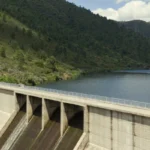
Delaware System: The Delaware system is the largest water source for New York City. It consists of reservoirs in the Delaware River Basin, most of it in western New York State and Pennsylvania. The three reservoirs that make up this system are Cannonsville, Pepacton and Neversink. Water from the Delaware pipeline flows via giant aqueducts and tunnels to New York City.
Catskill System: The Catskill system is another important water system for New York City. It’s a system of reservoirs in the Catskill Mountains of upstate New York. These include three of the reservoirs: the Ashokan, Schoharie, and Rondout. Tunnels and aqueducts link the Catskill system to the Delaware system, so water can be piped between the two systems as necessary.
Croton System: The Croton system is the oldest of the three and mostly located in the Croton River watershed in northern Westchester County, New York. It has Croton Reservoir, plus several smaller reservoirs, including the Titicus, Muscoot, and Cross River reservoirs. Croton water goes to New York City through aqueducts and tunnels.
In order to guarantee water security, water from these systems flows into enormous tanks, is filtered at a water treatment plant, and fed into the city’s sewerage system by means of miles of pipes and distribution lines. They have the infrastructure as well like reservoirs, pumps, filtration to maintain water supply and quality.
Infrastructure and Distribution

There is infrastructure involved in getting clean, fresh water to millions of New Yorkers’ faucets. It takes the water from upstate reservoirs hundreds of miles down a network of tunnels and aqueducts, all by gravity.
When the water gets into the city, it’s kept in a system of municipal reservoirs and pumped out via a vast network of pipes. This complex network guarantees quality water at every point in the city, 24/7.
How is water treated in New York City?
Even with pristine water source, NYC is still treated to make it safe and palatable. OrthopHosphate is used by the city to prevent the lead from seeping into pipes, and food grade phosphoric acid to neutralize pH and prevent corrosion in the distribution system.
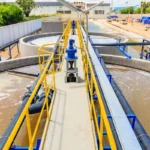
The water is also disinfected with ultraviolet light and chlorine, which kill or disable potentially pathogenic microorganisms. The multi-barrier treatment system allows NYC to continue to provide some of the best water in the country.
Testing and Monitoring of NYC's Drinking Water
The NYC Department of Environmental Protection (DEP) is constantly testing NYC’s water. There are more than half a million NYC water testing annually within the distribution system alone for all kinds of physical, chemical and microbiological tests.
The DEP also performs regular inspections of the city’s watershed. With this rigorous testing and surveillance program, the risk can be quickly identified and remedied in order to safeguard the health and safety of New Yorkers.
NYC's Watershed Protection Program
The Watershed Protection Program of NYC is a central element of the city’s water-quality plan. This includes land purchase, strict land-use controls and partnerships with local farmers to minimise the amount of pollutant discharge into the water system.
It’s a means of proactive watershed conservation that keeps the quality of the source water high without any heavy-duty treatment. It’s a green, affordable solution that’s been accepted and replicated all over the world.
The Role of Advanced Technology
Water management in NYC is a process with technology. From remote sensing technology that monitors reservoirs real-time, to high-tech laboratory equipment for NYC water testing, technology makes it easier for the city to manage its water supply.
In addition, predictive modelling prepares NYC for future water demand and problems, including those related to climate change. These technological measures ensure NYC is not behind in its problems, and we are always providing top-quality water.
Public Participation and Water Conservation
New York City is not without its water management, relying on the public. The city is trying to get people to conserve water through some projects like the "Water-On-The-Go" program, where mobile water fountains can be seen at public events in the summer.
And education initiatives to educate the citizens on the water conservation and the protection of the water supply of the city. Through engaging its people, NYC creates a common vision of how the water we consume should be quality and sustainable.
Challenges and Future Plans for NYC's Drinking Water
Keeping NYC’s drinking water clean is not easy. Climate change, aging infrastructure, population growth: all of these things are vulnerable. But NYC is stepping up to the plate with infrastructure investments, resilience planning and continued protection of its watershed.
The City of New York will continue to use technology and the public’s involvement to maintain and improve water quality in the future. One of these works will be the construction of Water Tunnel No. 3 which will add essential redundancy to the city’s water supply.
Share this on social media:
Facebook
Twitter
LinkedIn
Next Article: