
Overview of Georgia’s Water Sources
Georgia’s water sources are vital for its growing population and economy. The state has abundant rivers and vast groundwater aquifers. Understanding these sources is key to ensuring safe drinking water.
Rivers
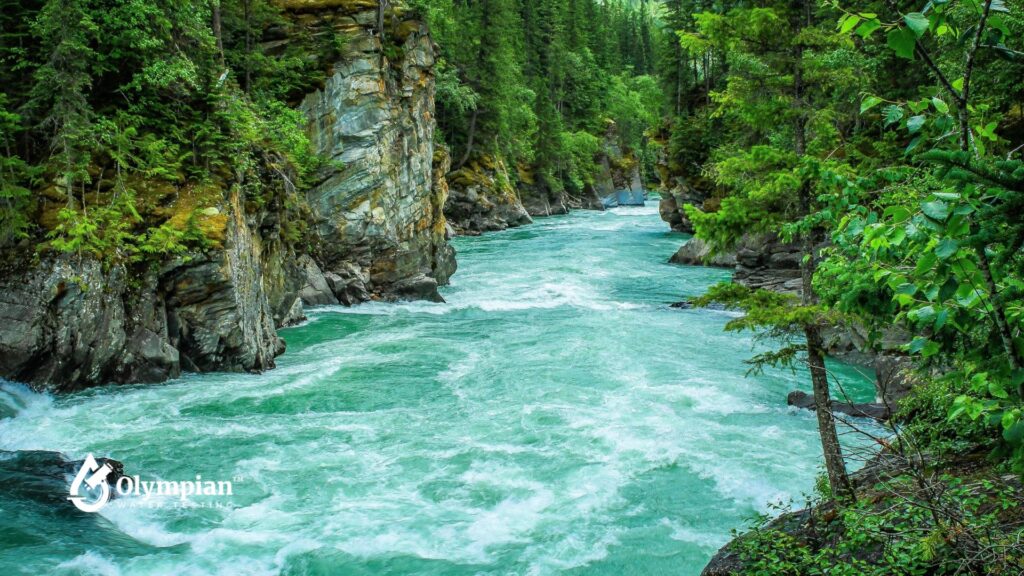
Georgia’s rivers are major sources of drinking water for millions. The Chattahoochee River flows through Atlanta, providing water for the capital region. Other rivers like the Savannah, Flint, and Altamaha also contribute to the state’s water supply.

Lakes and Reservoirs
Georgia’s lakes and reservoirs are vital for drinking water and recreation. Lake Lanier, in northern Georgia, supplies water to Atlanta. Lakes Allatoona, Hartwell, and Oconee are also critical to the state’s water system.

Groundwater Aquifers
Groundwater aquifers are a key part of Georgia’s water supply. The Floridan Aquifer underlies the coastal plain, providing water for cities and farms. The Claiborne Aquifer in southwest Georgia supports the region’s growth and agriculture.
Coastal Estuaries
Georgia’s coastal estuaries are vital ecosystems. They include the Altamaha River Estuary and the Savannah River Estuary. These areas support diverse life and protect against storms and sea level rise.
Managing water quality across these sources is a challenge. As Georgia’s population grows, protecting its water resources is more critical. By addressing each source’s challenges, Georgia can ensure a sustainable water supply for the future.

Common Water Quality Contaminants in Georgia
Georgia’s water sources face various contaminants that can pose health risks if left untreated. These contaminants come from natural sources, agricultural activities, aging infrastructure, and industrial processes. We’ll discuss the most common water quality issues in Georgia and the importance of monitoring and treating drinking water.
Nitrates
Nitrates in Georgia water mainly come from agricultural runoff, such as fertilizers and animal waste. Excessive nitrate levels can cause health problems, mainly in infants and pregnant women. Recent data show several water systems in Georgia have accumulated violation points due to nitrate levels, including:
- Lowndes County-North Lowndes County WS: 40 violation points
- Baldwin County: 10 violation points
- Lee County Utilities Authority: 6 violation points
Arsenic
Arsenic in Georgia water occurs naturally in groundwater due to the dissolution of arsenic-containing minerals. Long-term exposure to arsenic has been linked to various health issues, such as skin disorders and an increased risk of certain cancers. While arsenic levels in Georgia are generally low, it’s essential to monitor and treat water sources in areas with higher concentrations.

Lead and Copper
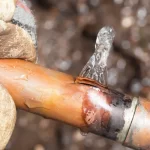
Lead in Georgia water often results from the corrosion of older plumbing materials, such as lead pipes and brass fixtures. Copper can also leach into the water from corroding copper pipes. Exposure to lead and copper can cause developmental delays, learning difficulties, and other health problems. Cities like Atlanta and Augusta-Richmond Company, which serve large populations, must prioritize the replacement of aging infrastructure to minimize lead and copper contamination.
Microbial Contaminants
Microbial contaminants, such as bacteria and viruses, can enter water sources through various means, including septic tank leaks, sewage spills, and agricultural runoff. These contaminants can cause gastrointestinal illnesses and other health issues. Rural areas and private well owners are most susceptible to microbial contamination. Regular testing and proper well maintenance are critical for ensuring water safety.
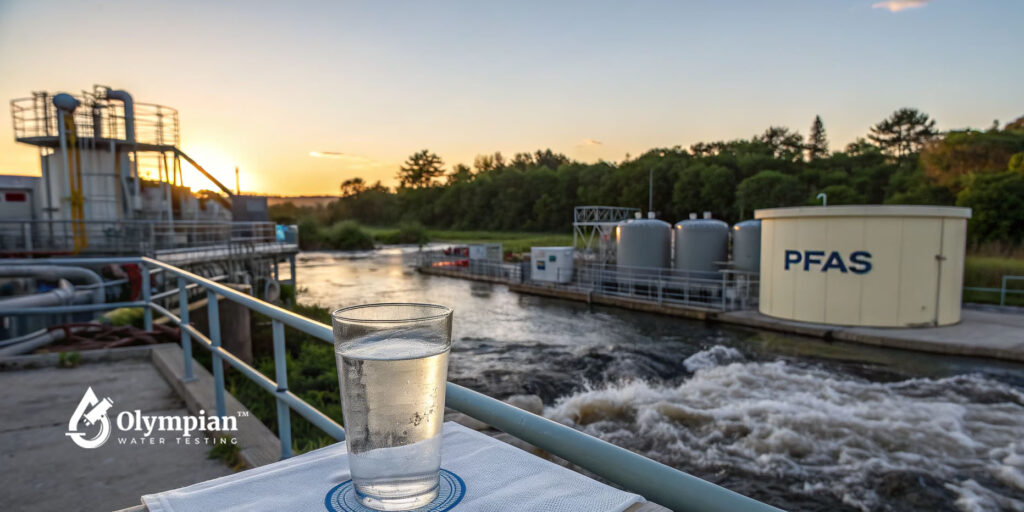
Per- and Polyfluoroalkyl Substances (PFAS)
PFAS in Georgia water have been detected near industrial sites and military bases. These synthetic chemicals are persistent in the environment and have been linked to various health concerns, including developmental issues and certain types of cancer. Monitoring and treating PFAS contamination is an emerging challenge for water providers in affected areas.
Pesticides and Herbicides
Pesticides in Georgia water can originate from agricultural activities, such as crop dusting and runoff from treated fields. These chemicals can have adverse health effects, mainly for children and pregnant women. Implementing best management practices in agriculture and promoting organic farming methods can help reduce the presence of pesticides and herbicides in water sources.
Industrial Contaminants
Industrial contaminants, such as solvents, heavy metals, and petroleum products, can enter water sources through accidental spills, leaks, and improper disposal practices. These pollutants can have severe health consequences and damage aquatic ecosystems. Strict regulations, regular inspections, and remediation efforts are essential for minimizing the impact of industrial contaminants on Georgia’s water quality.
Fluoride
Fluoride in Georgia water occurs naturally in some groundwater sources and is also added to public water supplies to promote dental health. While fluoride is beneficial in appropriate amounts, excessive levels can lead to dental fluorosis and other health concerns. Water providers must carefully monitor and adjust fluoride levels to ensure they remain within safe limits.
Radon

Radon in Georgia water is a naturally occurring radioactive gas that can dissolve in groundwater. When water containing radon is used for drinking or cooking, the gas can be released into the air, increasing the risk of lung cancer. Testing for radon in water and installing appropriate treatment systems, such as aeration or granular activated carbon filters, can help mitigate this risk.
To address these common water quality contaminants, Georgia conducts regular assessments and develops Total Maximum Daily Load (TMDL) plans. The Georgia Environmental Protection Division (GA EPD) has made significant progress in completing TMDLs for priority waters and revising existing fecal coliform TMDLs. Ongoing monitoring, data collection, and public participation are essential for ensuring the safety and quality of Georgia’s drinking water.
| Contaminant | Primary Sources | Potential Health Effects | Treatment Options |
|---|---|---|---|
| Nitrates | Agricultural runoff | Infant methemoglobinemia, pregnancy complications | Ion exchange, reverse osmosis |
| Arsenic | Natural deposits | Skin disorders, increased cancer risk | Reverse osmosis, activated alumina |
| Lead and Copper | Corrosion of plumbing materials | Developmental delays, learning difficulties | Corrosion control, lead service line replacement |
| Microbial Contaminants | Septic tanks, sewage spills, agricultural runoff | Gastrointestinal illnesses | Disinfection (chlorination, UV light) |
| PFAS | Industrial sites, military bases | Developmental issues, increased cancer risk | Activated carbon filtration, ion exchange |
| Pesticides and Herbicides | Agricultural activities | Endocrine disruption, developmental issues | Activated carbon filtration, reverse osmosis |
| Industrial Contaminants | Spills, leaks, improper disposal | Various health effects depending on the contaminant | Activated carbon filtration, chemical oxidation |
| Fluoride | Natural deposits, water fluoridation | Dental fluorosis (in excessive amounts) | Reverse osmosis, activated alumina |
| Radon | Natural deposits | Increased lung cancer risk | Aeration, granular activated carbon filtration |
Regional Water Quality Challenges in Georgia

Georgia’s diverse regions face unique water quality challenges, necessitating specific solutions for clean drinking water. According to the EPA and Georgia, these issues include urban runoff and aging infrastructure in metro Atlanta. Agricultural areas struggle with nutrient pollution, while coastal regions face saltwater intrusion. Industrial corridors are plagued by chemical contaminants.
In metro Atlanta, rapid urbanization has increased stormwater runoff, polluting water sources. Aging infrastructure, like lead and copper pipes, also affects water quality. The Georgia Water Coalition’s "Dirty Dozen" report lists several waterways threatened by pollution, including the Flint River. Spanning 346 miles, it runs from metro Atlanta to southwest Georgia.
Agricultural regions in Georgia deal with nutrient pollution from fertilizers and animal waste. This excess nitrogen and phosphorus harms water reservoirs, causing harmful algal blooms. These blooms deplete oxygen levels and harm aquatic ecosystems. For instance, Abercorn Creek, a primary water source for 400,000 residents, is vulnerable to agricultural runoff.
In coastal Georgia, saltwater intrusion due to excessive groundwater withdrawal threatens water quality. The Floridan Aquifer, spanning about 100,000 square miles, is at risk of saltwater contamination. This could affect water taste and usability for 10 million people. The Okefenokee Swamp, a vital ecological resource, is also threatened by proposed mining activities.
| Region | Key Challenges | Affected Water Sources |
|---|---|---|
| Metro Atlanta | Urban runoff, aging infrastructure | Flint River, Chattahoochee River |
| Agricultural Regions | Nutrient pollution | Abercorn Creek, Altamaha River |
| Coastal Georgia | Saltwater intrusion | Floridan Aquifer, Okefenokee Swamp |
| Industrial Corridors | Chemical contaminants | Conasauga River, Savannah River |
Industrial corridors in Georgia face chemical contaminants from manufacturing and processing facilities. The Conasauga River, for example, is impacted by PFAS. These man-made chemicals do not break down in wastewater treatments, affecting wildlife and water quality for users in Northwest Georgia and Northeast Alabama.
Metro Atlanta: Urban Runoff and Aging Infrastructure
The metropolitan area of Atlanta is facing significant challenges due to urban runoff and aging water infrastructure. As the city expands, the increase in impervious surfaces like roads and buildings has led to more stormwater runoff. This runoff carries pollutants such as heavy metals, oil, and chemicals into local waterways, threatening both human health and aquatic ecosystems.
Recent data shows a significant rise in urban runoff in Metro Atlanta, leading to pollution in rivers and lakes. The city’s aging water infrastructure adds to the problem, with many neighborhoods experiencing lead and copper contamination from corroded pipes. This contamination poses severe health risks, with children being the most vulnerable due to their susceptibility to lead exposure.
Stormwater Runoff Pollutants
Atlanta’s stormwater runoff contains a variety of pollutants that degrade water quality. These pollutants include:
- Heavy metals, such as zinc and copper from vehicle brake pads and tires
- Oil, grease, and other automotive fluids from roadways and parking lots
- Pesticides and fertilizers from landscaping and gardens
- Bacteria and pathogens from pet waste and leaking septic systems
- Litter and debris from streets and sidewalks
To address these issues, the City of Atlanta has implemented various stormwater management strategies. These include constructing green infrastructure projects like rain gardens and permeable pavement. These measures help capture and filter pollutants from runoff before they reach local waterways. The city has also launched educational campaigns to raise awareness about proper waste disposal and its impact on water quality.

Lead and Copper Contamination from Older Pipes
In addition to stormwater runoff, Atlanta’s aging water infrastructure poses a significant risk to public health. Many neighborhoods rely on lead and copper pipes, which can leach harmful metals into drinking water. Lead exposure is dangerous for children, causing developmental delays and learning difficulties.
To combat this issue, the City of Atlanta has initiated programs to replace aging lead service lines. This has already resulted in a significant reduction in lead levels in drinking water. Replacing these lines is costly and time-consuming, requiring a concerted effort from the government and property owners.
Homeowners in older neighborhoods are encouraged to have their water tested for lead and copper. They should consider replacing any aging plumbing fixtures that may contribute to contamination. In the meantime, residents can take precautions such as running their taps for several minutes before using water for drinking or cooking. Using cold water for food preparation is also recommended, as hot water is more likely to leach metals from pipes.
As Atlanta continues to grow and develop, addressing the challenges posed by urban runoff and aging infrastructure is critical. Through innovative stormwater management techniques, infrastructure upgrades, and public education, the city can mitigate these risks. This will protect its valuable water resources for future generations.
Agricultural Regions: Nutrient Pollution

In Georgia’s intensive farming areas, such as Southwest Georgia, nutrient pollution from fertilizers and animal waste poses a significant threat to water quality. Agricultural runoff in Georgia leads to elevated levels of nitrates in Georgia water, contributing to harmful algal blooms in rivers, lakes, and reservoirs.
Nitrate concentrations exceeding 3 mg/l in groundwater often indicate contamination, with levels above 1 mg/l suggesting human activity as the cause. The Environmental Protection Agency (EPA) has set a maximum contaminant level (MCL) of 10 mg/l for nitrate to safeguard against blue-baby syndrome. While an estimated 10 mi² of Georgia has groundwater nitrate concentrations surpassing 10 mg/l, this represents only 0% of the state’s total area.
| State | Area with Nitrate >10 mg/l (mi²) | % of State Area | % Population with Self-Supplied Water (2005) | % Population with Self-Supplied Water (2015) |
|---|---|---|---|---|
| Georgia | 10 | 0% | 18% | 15% |
| Alabama | 5 | 0% | 11% | 11% |
| California | 2,201 | 1% | 7% | 4% |
| Texas | 9,653 | 4% | 10% | 5% |
| Kansas | 8,880 | 11% | 5% | 5% |
| Pennsylvania | 772 | 2% | 20% | 27% |
The percentage of Georgia’s population relying on self-supplied drinking water decreased from 18% in 2005 to 15% in 2015. This reduction in self-supplied water use may help mitigate the risk of exposure to elevated nitrate levels in groundwater. Yet, ongoing monitoring and management of agricultural runoff in Georgia remain essential to address the persistent issue of nutrient pollution and protect the state’s water resources.
Coastal Georgia: Saltwater Intrusion
Coastal Georgia, with cities like Savannah and Brunswick, faces a pressing issue: saltwater intrusion. The region’s rapid economic growth, driven by new data centers, has heightened groundwater demand. This excessive groundwater withdrawal has caused saltwater to infiltrate freshwater aquifers. This has negatively impacted the water taste and usability for local residents.
The Floridan Aquifer, spanning about 100,000 square miles, supplies drinking water to 10 million people, including South Georgia. The Savannah Harbor deepening project, finished in 2022, allows for larger ships but also threatens the water supply. Around 400,000 people in Chatham, Effingham, and Bryan counties rely on Abercorn Creek, now tainted by saltwater intrusion.
Excessive Groundwater Withdrawal

Data center power needs in Georgia have skyrocketed, with a 17-fold increase expected. Eighty percent of this surge is due to data centers. These facilities consume vast amounts of water for cooling, straining groundwater resources. This has limited withdrawals from the Floridan Aquifer along the coast, prompting communities to seek new water sources.
Impacts on Water Taste and Usability
Saltwater intrusion not only alters drinking water taste but also diminishes its usability. The Georgia Water Coalition’s Dirty Dozen 2024 report emphasizes the need to address polluted waterways. As groundwater withdrawal in coastal Georgia increases, so does the risk of saltwater intrusion and its effects on water quality.
To mitigate this, coastal communities must explore alternative water sources and adopt sustainable groundwater management. By reducing groundwater withdrawal and safeguarding freshwater aquifers from saltwater, Georgia can ensure clean, safe drinking water for its residents.
Industrial Corridors: Chemical Contaminants
Georgia’s industrial areas, like those along the Savannah River, struggle with industrial pollution and chemical contaminants in Georgia’s water. These pollutants, including PCBs and heavy metals, severely threaten water quality and aquatic life. The consequences are dire for both the environment and human health.
The Environmental Working Group (EWG) reports that over 143 million Americans are exposed to PFAS in their drinking water. These chemicals are found in nearly every American’s blood, even in newborns. Savannah River pollution exemplifies how industrial activities harm water resources. Traditional water treatment methods fail to remove PFAS, creating harmful byproducts.
| Contaminant | Potential Health Effects | Prevalence in Georgia |
|---|---|---|
| PFAS | Developmental issues, cancer, immune system damage | Detected in drinking water sources, affecting approximately 100,000 residents in Rome and surrounding areas |
| PCBs | Cancer, reproductive and developmental problems, immune system damage | Found in industrial corridors, particularlly along the Savannah River |
| Heavy Metals | Neurological damage, kidney problems, cancer | Present in water sources near industrial sites, often exceeding EPA limits |
The cost of tackling industrial pollution in Georgia is high, with a requested injunction for PFAS cleanup valued at $850 million. As research advances, with innovations like advanced membrane designs for PFAS removal, Georgia must focus on water cleanup and prevention. This is essential to safeguard public health and the environment.
General Water Characteristics in Georgia
Georgia’s diverse geography and geology lead to varied water characteristics across the state. From the mountains in the north to the coastal plains in the south, different water quality challenges exist. It’s essential to grasp these general water characteristics to guarantee safe and clean drinking water in Georgia homes.
Water Hardness
Water hardness is a significant concern in Georgia, more so in the northern regions. Here, the water contains higher levels of calcium and magnesium. This can cause mineral buildup in plumbing and appliances. Though not harmful to health, it can affect the appearance and efficiency of cleaning products. Water softeners are an effective solution for managing water hardness in Georgia homes.
Acidic Water Conditions
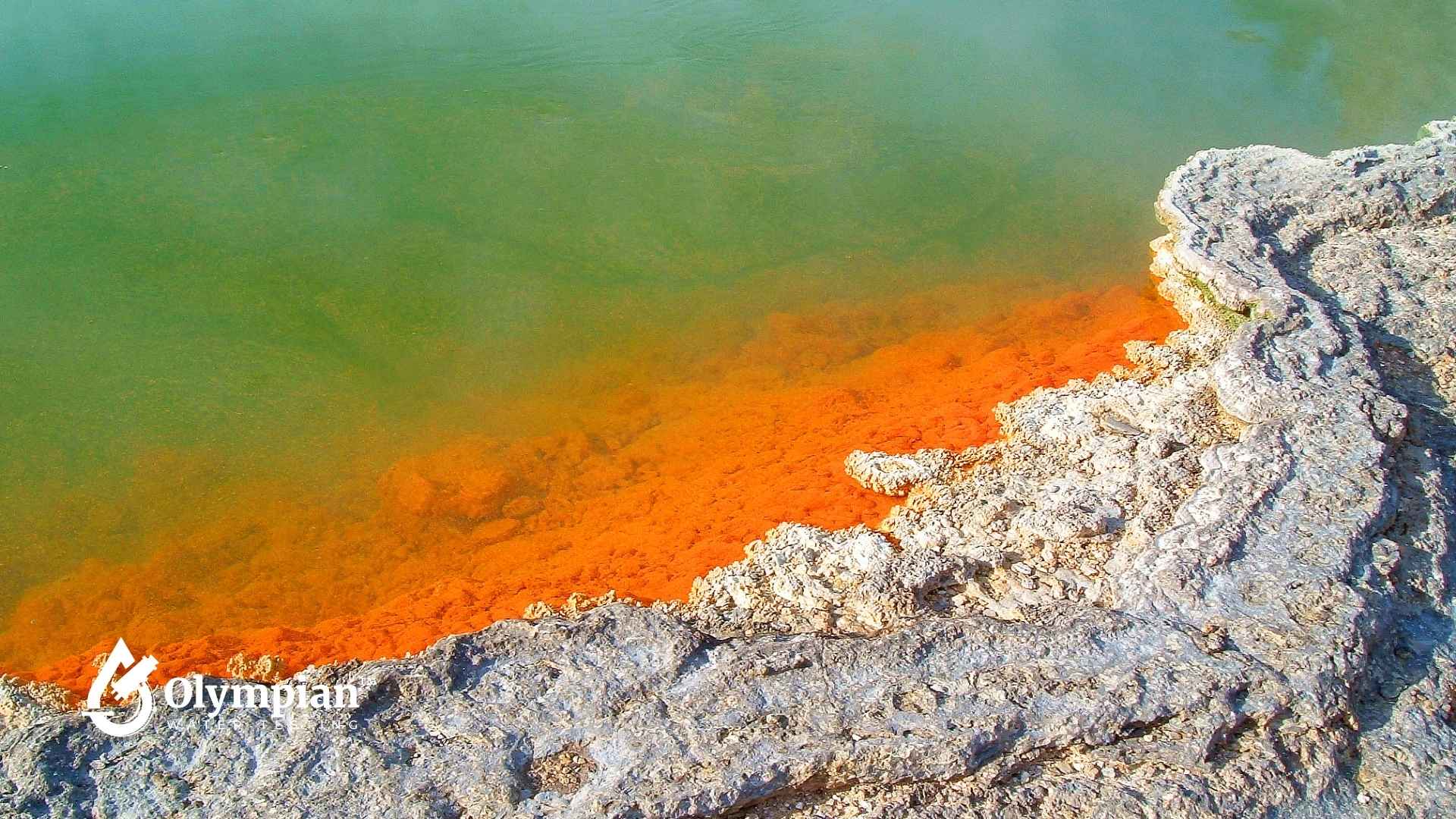
In the Piedmont region of Georgia, well water often has acidic properties. Acidic water can corrode pipes and leach metals like copper and lead into the water. This can lead to metallic tastes, blue-green stains, and health risks. Acid neutralizing filters can help balance the pH levels of acidic water, protecting plumbing systems and ensuring safer drinking water.
Iron and Manganese
Georgia’s groundwater naturally contains iron and manganese. While these elements are not harmful in the concentrations found in drinking water, they can cause aesthetic issues. These include discoloration, metallic tastes, and staining of laundry and plumbing fixtures. Iron and manganese filters, designed to remove these contaminants, can improve the taste, odor, and appearance of drinking water affected by iron and manganese.
| Contaminant | Potential Issues | Recommended Solutions |
|---|---|---|
| Hard Water Minerals | Mineral buildup, decreased soap efficiency | Water softeners |
| Acidic Water | Corrosion, leaching of metals | Acid neutralizing filters |
| Iron and Manganese | Discoloration, metallic taste, staining | Iron and manganese filters |
By understanding Georgia’s general water characteristics and using the right filtration solutions, residents can ensure their tap water is safe and clean. This is vital for removing common contaminants that affect water quality in the state.
Utilizing the Water Quality Tool for Georgia Residents
Georgia residents now have access to a powerful resource for ensuring the safety of their drinking water: the georgia water quality tool. This innovative platform allows users to input their zip code and receive detailed information about their local water quality in Georgia. It includes data on common water contaminants by zip code in Georgia.
By utilizing the georgia water quality tool, residents can gain valuable insights into the specific contaminants that may be present in their water supply. The tool provides a detailed breakdown of the most common water quality issues in each zip code. This includes:
| Contaminant | Potential Health Effects | Common Sources |
|---|---|---|
| Lead | Developmental delays, learning difficulties, and kidney problems | Corrosion of older plumbing systems |
| Nitrates | Methemoglobinemia (blue baby syndrome) in infants | Fertilizer runoff, septic systems, and sewage |
| Arsenic | Skin damage, circulatory problems, and increased cancer risk | Erosion of natural deposits, runoff from orchards and glass production wastes |
| Microbial contaminants | Gastrointestinal illness (e.g., diarrhea, vomiting, cramps) | Human and animal fecal waste, sewage leaks, and septic systems |
The georgia water quality tool also provides personalized filtration recommendations based on the specific water quality challenges in each zip code. This feature enables residents to make informed decisions about the best water treatment solutions for their homes. It ensures that their drinking water is safe and clean.
By leveraging the power of the georgia water quality tool, Georgia residents can take proactive steps to protect their health and well-being. With access to accurate, up-to-date information about their local water quality in Georgia and personalized filtration recommendations, residents can enjoy peace of mind. They know that their drinking water is free from harmful water contaminants by zip code in Georgia.

Recommended Filtration Solutions for Common Georgia Contaminants
In Georgia, various water quality challenges necessitate the right filtration system. We’ve compiled a list of recommended solutions for common water quality issues in Georgia.
Reverse Osmosis Systems
Reverse osmosis systems in Georgia are effective against nitrates, arsenic, lead, and fluoride. They require more water input than output, leading to some waste. Yet, the benefit of having clean, safe water from the tap is significant. Culligan’s undersink reverse osmosis systems, certified to reduce over 90 contaminants, are among the most efficient globally.
Activated Carbon Filters
Activated carbon filters are common in Georgia’s water filtration systems. They effectively reduce organic chemicals, pesticides, and chlorine. The effectiveness varies, with some certified only for chlorine reduction. Others tackle lead, disinfection by-products, and VOCs. Carbon block filters generally remove more contaminants due to their higher surface area and slower filtration rate.
UV Water Purifiers
UV water purifiers are ideal for addressing microbial issues in Georgia’s water supply. They use ultraviolet light to inactivate bacteria, viruses, and other microorganisms without altering taste or odor. While effective against microbial contaminants, they do not remove chemical pollutants. They are often used in conjunction with other filtration methods.
Water Softeners
Water softeners in Georgia reduce calcium and magnesium levels, which contribute to water hardness. They replace these minerals with sodium, a concern for those on low-sodium diets. When choosing a water softener, consider your specific needs and health requirements.
| Contaminant | Recommended Filtration Solution |
|---|---|
| Nitrates, Arsenic, Lead, Fluoride | Reverse Osmosis Systems |
| Organic Chemicals, Pesticides | Activated Carbon Filters |
| Microbial Contaminants | UV Water Purifiers |
| Hard Water (Calcium, Magnesium) | Water Softeners |
When choosing a filtration system, consider third-party testing and certification to ANSI/NSF standards. This ensures quality assurance. Consulting with a reputable water treatment provider, like Culligan, can help identify the best solution for your specific water quality concerns in Georgia.
Local Water Testing Services in Georgia

Ensuring the safety and quality of your water supply is vital for your health and the environment. In Georgia, residents and businesses can count on local water testing services. These services help identify contaminants and address water quality concerns. Water testing Georgia providers offer detailed analysis and expert advice for informed decisions about your water.
SimpleLab is a reliable choice for water quality analysis Georgia. Their easy-to-use testing kits allow you to collect samples from taps, wells, or other sources. These samples are then sent to a certified lab for a thorough evaluation. SimpleLab’s water test Georgia services check for a wide range of contaminants, including lead, arsenic, nitrates, bacteria, and more. They provide detailed results and recommendations for filtration solutions.
Regular water testing is key for businesses where water purity is critical, like hospitality, healthcare, and manufacturing. Commercial water systems need annual testing to meet safety and regulatory standards. High-risk facilities, such as hospitals and food processing plants, should test more frequently. Many water testing services in Georgia offer 24/7 support for businesses.
| Service Provider | Testing Capabilities | Areas Served |
|---|---|---|
| Eurofins | Disinfection byproducts, microbiology, PFAS, organics, inorganics, radioactivity | Atlanta, Fayetteville, Winder, Auburn, Athens, Macon, Columbus, Augusta |
| Georgia EPD | Drinking water supplies, recreation, fishing, wild river, scenic river, coastal fishing | Statewide |
| SimpleLab | Lead, arsenic, nitrates, bacteria, and more | Statewide |
The Georgia Environmental Protection Division (EPD) also plays a critical role in monitoring water quality. They conduct regular reviews and revisions of water quality standards. The latest Triennial Review started in February 2025. These reviews aim to update criteria for pollutants and ensure compliance with the Clean Water Act.
By using local water testing Georgia services and staying informed about state initiatives, you can protect your water supply. Regular water quality analysis Georgia, like the SimpleLab water test Georgia, empowers you to make informed decisions. It helps you implement effective solutions for clean, safe water.
Case Studies: Addressing Water Quality Issues in Georgia
Georgia grapples with various water quality issues, including urban runoff, aging infrastructure, agricultural pollution, and industrial contaminants. Communities across the state are tackling these challenges with innovative solutions. Below are some of the most effective initiatives.
Atlanta’s Lead Pipe Replacement Initiative
The City of Atlanta has launched a major atlanta lead pipe replacement program to combat lead contamination in drinking water. By identifying and replacing aging lead service lines, the city aims to provide safe tap water for all residents. So far, hundreds of lead pipes have been replaced in high-priority neighborhoods.
Agricultural Best Management Practices in Southwest Georgia
In Southwest Georgia, agricultural runoff has significantly contributed to waterway pollution. To address this, farmers have adopted several agricultural best practices georgia. These include precision fertilizer application, cover cropping, and riparian buffer zones. These efforts have reduced nutrient loads in streams and rivers, benefiting downstream communities.
Coastal Georgia’s Response to Saltwater Intrusion
Coastal Georgia is facing saltwater intrusion into groundwater aquifers. To counter this, coastal communities have implemented various saltwater intrusion solutions georgia. These include reducing groundwater withdrawals, developing alternative water sources, and promoting water conservation.
- Reducing groundwater withdrawals in sensitive areas
- Developing alternative water sources, such as surface water and reclaimed water
- Implementing water conservation measures to reduce demand on aquifers
These measures have slowed saltwater intrusion, protecting vital groundwater resources.

Industrial Pollution Control in Savannah
Savannah, a key industrial center, has struggled with chemical contaminants in its waterways. To address this, the city has enforced strict savannah industrial pollution control measures. These include requiring industries to adopt best management practices, conducting regular inspections, and partnering with industries to develop pollution prevention technologies.
- Requiring industries to adopt best management practices for waste handling and disposal
- Conducting regular inspections and monitoring of industrial facilities
- Partnering with industries to develop innovative pollution prevention technologies
These actions have significantly reduced industrial contaminants in Savannah’s rivers and streams, improving water quality for both human health and aquatic life.
These case studies demonstrate Georgia’s proactive approach to water quality challenges. Through targeted solutions and collaboration, the state is making strides toward ensuring safe, clean water for all.
Tap Water in Georgia: Ensuring Safe and Clean Drinking Water

Ensuring the safety and quality of tap water is vital for Georgia’s residents. Focusing on georgia drinking water safety, it’s important to understand the current state of clean tap water georgia. We must also recognize the efforts to maintain and enhance water quality standards.
The 2024 Henry County Water Quality Report shows the Henry County Water Authority (HCWA) met all drinking water quality standards in 2023. No violations of regulated substances were found. The report, covering January 1 to December 31, 2023, aims to raise public awareness. It provides consumers with essential information about their drinking water, aiding in informed health decisions.
Georgia’s water quality standards are reviewed and revised every three years, as required by the Clean Water Act. These standards protect the state’s water bodies for six designated uses: Drinking Water Supplies, Recreation, Fishing, Wild River, Scenic River, and Coastal Fishing. The latest review, starting on February 7, 2025, proposed updates for 83 pollutants and introduced criteria for 5 new pollutants.
| Contaminant Group | Specific Contaminants |
|---|---|
| HAA5 (Haloacetic acids) | Monochloroacetic acid, Dichloroacetic acid, Trichloroacetic acid, Monobromoacetic acid, Dibromoacetic acid |
| HAA9 | All chemicals in HAA5 plus Bromochloroacetic acid, Bromodichloroacetic acid, Chlorodibromoacetic acid, Tribromoacetic acid |
| TTHM (Total trihalomethanes) | Bromodichloromethane, Bromoform, Chloroform, Dibromochloromethane |
While many contaminants were not detected in Georgia’s tap water from 2021-2023, some chemicals like bromodichloromethane, chloroform, and chromium (hexavalent) were found. These may require specific water filtration georgia technologies for reduction. Nitrate & nitrite, total trihalomethanes (TTHMs), and various perfluorinated compounds like PFBS and PFBA are among the contaminants that necessitate exploring filter options to ensure safe and clean drinking water.
To safeguard household health in Georgia, proactive water quality management is essential. Residents should utilize the Water Quality Tool, select effective filtration systems based on local contaminants, and confirm water safety through testing. By staying informed and taking appropriate measures, Georgians can ensure access to clean, safe tap water for their families and communities.
Call to Action
As a Georgia resident, staying informed about your local water quality is vital. Use the Water Quality Tool and enter your zip code to get specific information. This tool offers insights into contaminants, water sources, and treatment methods used by your local utility.
To safeguard your household’s water, consider our water filter recommendations. Our team has tested various filters, from reverse osmosis to activated carbon. These can significantly reduce contaminants like lead, PFAS, and pathogens, ensuring cleaner drinking water.
Regular water testing is also key. Our partners provide reliable services to detect a wide range of contaminants. This helps you monitor your water quality and ensures your filtration system is working right.
Take charge of your drinking water quality today. Use the Water Quality Tool, explore our filter recommendations, and schedule regular tests. These steps will protect your health and ensure access to clean drinking water in your Georgia home.
FAQ
What are the main sources of drinking water in Georgia?
Georgia’s water sources are diverse. They include major rivers like the Chattahoochee, Savannah, and Flint. Also, lakes such as Lanier, Allatoona, and Hartwell are significant. The Floridan and Claiborne Aquifers, along with coastal estuaries, contribute to the state’s water supply.
What are the common water quality contaminants in Georgia?
In Georgia, common contaminants include nitrates from agricultural runoff. Arsenic comes from natural deposits. Lead and copper are found in aging infrastructure. Microbial contaminants are prevalent in rural wells.
PFAS are found near industrial sites. Pesticides and herbicides come from farming. Industrial pollutants and naturally occurring fluoride and radon also affect water quality.
How can I check the water quality in my area of Georgia?
The Water Quality Tool helps Georgia residents. It allows you to input your zip code. You’ll get detailed local water source information and data on common contaminants. It also offers personalized filtration recommendations.
What are the recommended water filtration solutions for Georgia residents?
For Georgia’s contaminants, recommended solutions include reverse osmosis systems. They remove nitrates, arsenic, lead, and fluoride. Activated carbon filters are good for organic chemicals and pesticides.
UV water purifiers tackle microbial issues. Water softeners are essential for hard water.
How can I test my tap water in Georgia?
SimpleLab offers user-friendly kits for water analysis. These kits enable informed decisions on filtration solutions. Accurate testing is key to identifying water quality issues.
What are some real-world examples of efforts to improve water quality in Georgia?
Atlanta’s lead pipe replacement program is a notable effort. Farmers are adopting best management practices to reduce nutrient runoff. Coastal communities are fighting saltwater intrusion.
Savannah is taking steps to control industrial pollution. These efforts aim to mitigate water quality challenges in Georgia.
What steps can I take to ensure safe drinking water in my Georgia home?
To ensure safe drinking water, use the Water Quality Tool. Choose effective filtration systems based on local contaminants. Confirm water safety through thorough testing.