Making Sense of 2,4-D Contamination in NYC’s Tap Water
- Published:
- Updated: January 17, 2025
Listen to this article
Summary
2,4-D contamination in NYC’s tap water, sourced from reservoirs, is a growing concern. This herbicide, commonly used in agriculture and landscaping, can enter water supplies through runoff, raising health and infrastructure concerns.
- Pathways: Agricultural and urban runoff.
- Health Risks: Hormonal disruption, potential cancer risk, neurological effects.
- Detection/Removal: Gas/liquid chromatography, activated carbon, advanced oxidation processes.

New York City has the best tap water, collected from secured reservoirs and pumped into the hands of millions of New Yorkers. But recent studies have revealed something troubling: that 2,4-D, an industrial herbicide, has leaked into the city’s water system. But even though the city’s water system purges much of the trash, 2,4-D is still there.
Background of 2,4-D
2,4-D, or 2,4-Dichlorophenoxyacetic acid, is an herbicide used in agriculture, landscapes and backyard gardening for broadleaf weed control. It’s also an effective, low-cost herbicide, one of the most widely used on the planet.
But 2,4-D’s ubiquitousness has an obstacle. Research has connected 2,4-D to everything from hormonal dysregulation to cancer. That has us wondering how we could have this chemical in our everyday surroundings, in a product as basic as our water.
2,4-D and Its Pathway to Water Sources

And 2,4-D’s path from the laboratory to our tap water can take several paths. An easy way to escape is from agricultural runoff: when it rains, 2,4-D sprayed onto farms could drain into the water bodies below.
The same goes for cities, where 2,4-D from lawn or landscape maintenance could leach into the water supply via stormwater runoff. This chemical can get very far when it gets into the water system and end up contaminating water supplies even far away from the application point.
How NYC Gets Its Water
New York City tap water comes from a series of reservoirs and lakes up to 125 miles north of the city. That water is then sent down an endless series of tunnels and aqueducts, and treated before reaching the taps in urban households.
Another problem is that the watershed of the city doesn’t sit firmly apart from farms and housing. Because of this proximity, contaminants like 2,4-D can enter the water supply even if there are complex treatments.
The Extent of 2,4-D Contamination in NYC's Tap Water
We recently tested NYC’s tap water and it found 2,4-D. The levels found are now within the permissible levels, but the continued use of this herbicide is a red flag.
And still a lot is still unclear. We don’t really know how long-term health effects of chronic, low-dose 2,4-D exposures are. It’s also unclear how a multi-drug herbicide and pesticide application can impact water quality in a large amount of time, so it’s a matter of ongoing study.
What is the impact of 2,4-D on water infrastructure?
What 2,4-D might bring to water infrastructure remains a mystery. We’ve learned the most about 2,4-D in terms of its environmental and health effects, but we should also know how it will impact our water systems.
Early testing suggests that some herbicides react with pipes, corrosion or other damage could result. However, more research is required to really make sense of what 2,4-D could mean for water infrastructure.
Health Risks of 2,4-D in Drinking Water
Ingesting 2,4-D through drinking water is a public health concern. Some research has linked 2,4-D exposure to a range of health issues, including:
- Hormonal disruption: 2,4-D can mimic hormones in the body, potentially causing disruption.
- Potential carcinogenic effects: Some studies suggest that 2,4-D may increase the risk of certain types of cancer.
- Neurological effects: High levels of exposure have been associated with neurological damage in some cases.
While more research is needed, particularly on long-term, low-level exposure, these potential health risks underscore the importance of addressing 2,4-D contamination in our water supply. Addressing the presence of 2,4-D not only safeguards public health but also ensures the integrity of drinking water quality in NYC. As urban areas grow and agricultural practices evolve, monitoring and regulating chemical contaminants become increasingly vital. Community awareness and proactive measures are essential to protect both residents and the environment from potential hazards associated with this herbicide.
Methods of Detecting and Removing 2,4-D
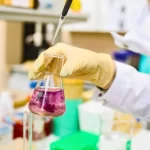
Detaching 2,4-D from water is one of the first steps toward safe water. For the microbial components, gas chromatography and liquid chromatography are available to determine and measure 2,4-D.
Activated carbon and more radical oxidation are commonly employed in terms of removal. But such practices are expensive and don’t always work for every water source. Therefore, there is still more work to be done to develop more efficient and economical removal processes.
Policy Measures and Citizen Action
Last, and least, 2,4-D contamination needs not just good policy but good citizens. Regulations must match the science and may have to limit 2,4-D levels in water more draconianally.
At the local level, raising awareness of the problem can spur behaviour change, like less 2,4-D use in house gardening. Activists can also advocate for better laws and policies, and show that we are all in this together when it comes to having clean water.
NYC’s tap water remains one of the cleanest in the country, but the 2,4-D problem highlights that we don’t always get clean water. The more we know about these contaminants, the more our policies, practices and perceptions around water safety must shift with it.
Conclusion: Ensuring Safe Water
Eliminating 2,4-D from NYC’s water supply is a public health priority. Constant surveillance, tighter regulations, public education. Water can be made safer by investing in detection and removal technologies. Adapting policy and practice as the research continues is going to be essential for clean water, and we’re doing so as a matter of public health and environment.
Share this on social media:
Facebook
Twitter
LinkedIn

Related Posts