Lead in Your Drinking Water: Why Testing is Critical
- Published:
- Updated: December 16, 2024
Listen to this article
Summary
Testing for lead in drinking water is crucial due to its serious health risks, especially for children and pregnant women. Lead, a toxic metal, can cause developmental delays and learning disabilities. Testing methods include professional laboratory tests or home test kits. Reduce exposure by flushing pipes, replacing old plumbing fixtures, and installing water filtration systems. Educate your family about lead dangers and promote handwashing and a balanced diet. Symptoms of lead poisoning include stomach pain, fatigue, and irritability. Advocate for regular testing and support initiatives to reduce lead exposure in your community. Participate in community discussions and educate others about lead dangers to create a safer environment for all.

Lead in the water is a very real public health problem with very real consequences, especially for children. You must test your drinking water for lead to make sure that it’s safe to drink. As more and more plumbing is made of lead-based pipes and fixtures, be proactive in maintaining your water quality. If you get a lead contaminated area, it will be caught early on through regular testing, which can be taken care of immediately.
What is Lead?
Lead is a dangerous metal that was widely used in plumbing pipes, gasoline and paint. In spite of its widespread consumption, lead has been implicated in various deadly diseases: developmental delays, learning disabilities and behaviour problems in children, infertility, high blood pressure and kidney disease in adults. It doesn’t taste, colour or smell, and so is hard to detect unless you try.
Why is Lead Contamination in Drinking Water Dangerous?

Drinking water contamination with lead is especially dangerous as it’s easily ingested and absorbed into the body. Lead, once taken in, will accumulate in the body for a lifetime and cause chronic disease. Then there is lead, which can be especially harmful to children, pregnant women and unborn babies as it can impact the growth of the brain and nervous system. You can get sick from lead at extremely low concentrations, so you need to ensure you don’t put yourself at risk from lead in your water.
How to Test for Lead in Your Drinking Water
The testing of your drinking water for lead has many methods. You could test your water with a lab that is a professional. It is often the most reliable and gives you the most information on the lead in your drinking water. Alternatively, you can get a home test kit from any hardware store and online. You can test your drinking water for lead with home test kits — which are easy and cheap to find, but you should always be careful how to do this so that you get the proper results.
What Can You Do to Reduce Your Exposure to Lead in Your Drinking Water?
There are some things you can do to avoid drinking water that contains lead. Among them, running your water for a few minutes before using it (if it’s been sitting there for hours). The quick fix is that this can flush out any lead that has built up in the pipes.
Replace old plumbing that may be lead based also. The plumbing fixtures over time wear out and leach lead into the water, so get new ones if they’re old or have wear.
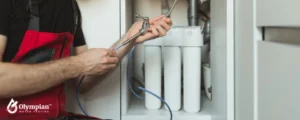
Install a lead-removing water filter. Activated carbon, reverse osmosis, and ion exchange filtration systems are a few types of filtration systems.
Last but not least, never drink, cook with, or make baby formula from water that is too hot, as it tends to have more lead.
Protecting Your Family from Lead Contamination in Drinking Water
Protecting your family from lead contamination in drinking water is essential to ensuring their health and well-being. Here are some steps you can take to reduce their exposure:
- Test your drinking water regularly to ensure that it is safe to drink. Regular testing can help you to identify any problems early on and take steps to reduce your exposure to lead.
- Educate your family about the dangers of lead in drinking water and encourage them to take steps to reduce their exposure. By educating your family about the dangers of lead and how to reduce their exposure, you can help to keep them healthy and safe.
- Encourage your children to wash their hands regularly, especially before eating or drinking. Hand washing can help to reduce the amount of lead that is ingested through contaminated hands.
- Make sure that your children are eating a balanced diet that is rich in calcium, iron, and vitamins C and D, as these nutrients can help reduce the absorption of lead in the body. A well-balanced diet can also help to boost your children’s overall health and immunity, making them less susceptible to the harmful effects of lead.
Signs of Lead Poisoning
Lead poisoning can be difficult to detect, as it often has no obvious symptoms. However, some common symptoms of lead poisoning include:
- Stomach pain and cramps
- Headaches
- Fatigue and weakness
- Joint and muscle pain
- Constipation
- Irritability and mood swings
If you or someone in your family is experiencing any of these symptoms, it’s essential to seek medical attention as soon as possible. Lead poisoning can be treated, but early detection is crucial, so it’s important to be aware of the symptoms and to seek medical attention if you suspect that you or a loved one may have been exposed to lead.
Ensuring Safe Drinking Water for Your Community
Providing clean water to your neighbors is a partnership project that everybody has to help in. These are some things you can do to prevent lead in your community’s water:
Demand that your neighbourhood tests its drinking water regularly. If you can make it easy for them to test on a regular basis, then everybody will have access to clean water. Don’t discount local projects that seek to reduce lead exposure in water by replacing old service lines and installing filtration systems. If you get behind these projects, we will have a healthier community together.
Inform your neighbors about the risks of lead in drinking water and ask them to avoid it. Learning about the hazards of lead and reducing lead exposure can also be one way you can build a smarter, more active community. Take to the streets and forums to talk about lead in the water and demand change. Join community meetings and forums to inform people of the lead contamination in drinking water and take action locally.
Share this on social media:
Facebook
Twitter
LinkedIn

Related Posts