How to Test Your Drinking Water at Home
- Published:
- Updated: December 16, 2024
Listen to this article
Summary
Testing your drinking water at home is crucial to ensure its safety and quality. Here’s how you can do it:
Understand the importance: Recognize the significance of safe drinking water and the potential health risks associated with contaminants.
Choose testing options: Decide between DIY kits and professional laboratory testing based on your needs, budget, and the level of accuracy required.
Select a suitable kit: Choose a water testing kit that tests for the contaminants you’re concerned about and fits your budget. Consider factors like ease of use and manufacturer support.

We all use water for drinking every day and we should not let it become dirty. Quality of water is the biggest influence we can make on our health, and it should be tested often to make sure that it is as much as standards.
Understanding the Importance of Safe Drinking Water
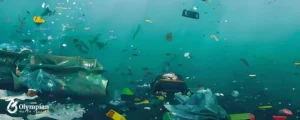
Our drinking water must be tested frequently so that we can trust it. Pollutants can flow into the water supply from industrial discharge, farm run-off, or from sources such as minerals. Among the leading contaminants of water are lead, nitrates, chlorine, bacteria and pesticides. If consumed in excessive amounts, these contaminants can be highly health-destructive — leading to birth defects, neurologic harm and cancer. We should check our home water for toxins and it is a good idea to check our home water to make sure that we and our family don’t get sick with such harmful diseases.
This can happen both at the source and in the distribution system, so test water on a regular basis. For the majority of cases, the water might be clear and seems like a clean one, but there might be contamination still. And this is why you should get a water testing kit and know how well your water is even if it looks and tastes okay.
Affordable and Accessible Water Testing Options

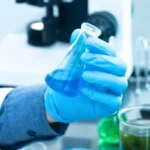
We have both DIY water tests and specialized laboratory water tests for home water quality checks. Water testing kits for a DIY application are very easy to get and pretty cheap ($10-$50). These kits are convenient and easy to use but sometimes results are incorrect, if the kit is of a low quality. More reliable and comprehensive testing of the water in professional labs, but at a higher cost and time.
Choosing between DIY kits and laboratory tests should take into account purpose of test. A DIY kit can test water for chlorine, lead and bacteria but will fail to pick up on more complicated contaminants. In that event, professional lab testing should be used to test the water more thoroughly.
Expert laboratory testing can analyse the water in fine detail and show you contaminants you wouldn’t see. It’s the sort of test that you typically want to do on well water because it is the most prone to contamination. A professional laboratory test can also tell you what contaminants are already in the water to help you make educated decisions on treatment.
Choosing the Right Water Testing Kit
When you’re looking at water testing kits, you must keep in mind what contaminants you are testing for, because the tests differ by kit. -Some kits may test for multiple contaminants, while others only for a particular contamination. You also have to keep in mind the ease of the kit, and the precision of the results.
You may also think about the price while purchasing a water test kit. While DIY kits are cheaper than expensive lab testing, make sure you choose a kit that is in your budget. Take into account whether the manufacturer provides customer service as some kits have a customer service hotline to get help with using the kit or interpreting results.
Testing Your Drinking Water at Home
What you do when you are testing your drinking water at home will depend on what kit you have. This is generally as follows: take a sample of your water, by filling a vial or dipping a strip in the water, and proceed according to the instructions of the kit manufacturer. It will take some time for results depending on what kind of kit you use and the contaminants you are looking to test. Kits can give you the answer in minutes, and others it takes days.
Make sure you strictly abide by the kit manufacturer’s instructions since improper application of the kit may lead to incorrect results. – Be sure to store the water sample so it doesn’t get contaminated before testing. If you are using a vial to get a sample of water, store the vial closed until you are ready to use it.
Understanding Your Test Results
If your drinking water tests are positive for contaminants, it is time to act to have your water tamed. Treatment techniques such as filtering, reverse osmosis, and water softeners are used depending on the kind and extent of contaminants.
Or maybe they are in amounts that are not poisonous to you, and therefore need not be treated. Always speak with a water treatment professional to know what is right for you.
Improving the Quality of Your Drinking Water
And there are many other ways to make your water healthier. Water filtration system will filter contaminants out of your water before it reaches your faucet. Using a water softener can reduce the minerals in your water which can lead to hardness and other issues.
You’ll also want to make sure your plumbing and water system get inspected regularly to be sure that they’re working properly and won’t get contaminated. It’s replacing filters, checking for leaks, and making sure your water treatment system is running properly.
How Often Should You Test Your Drinking Water
Testing your water should be done at least once every year, or more often if you suspect your water has contamination. It might be if you just installed a new water treatment system, if your water has changed in taste, smell or look, or if you suspect that your water has contaminants.
Especially important if you have a well is testing your water on a regular basis and especially after a heavy rainfall or any other situation where your water might be polluted. Sometimes, you’ll need to test your water more frequently if you’re on a private well and are at risk for contamination.
The Risks of Neglecting to Test Your Drinking Water
If you do not test your water, you will get serious health issues if the water is not tested properly. The consequences of drinking polluted water are all-star birth defects, nervous system harm and cancer. Failure to test your water can also lead to mineral deposits in your plumbing and water treatment system that can harm and make these systems less effective.
If you fail to check your drinking water you will never know if you have a problem that could harm your health and your family in the long run. It is very easy to test your drinking water at regular intervals, so you can stay healthy and get the water that you want.
Potential Health Risks of Water Testing Kits
Water testing kits are not hazardous, but there are health hazards if you have certain kit brands. There are some kits that can have chemicals that may harm your skin or eyes. Other kits can also be filled with items that leak toxic compounds when they’re not properly discarded.
Water testing kits are hazardous so make sure to adhere to the kit manufacturer’s instructions carefully, and always work with the kit in a well-ventilated place. Remember to dispose of the kit and any chemicals that you use in the testing, so as not to contaminate and pollute the environment.
Improving the Quality of Your Drinking Water Without Testing
Testing your water is one way to make sure it’s safe and free of contaminants, but there are ways to upgrade the quality of your water. A water filtration system will help purify your water before it gets to your faucet. Water softeners can also reduce the minerals in your water that can be harmful for hardness and other reasons.
The other easy way to get the water in your drinking water to be better is to run your water for several minutes before consuming, particularly if you haven’t used your tap in a couple of hours. It can also eliminate whatever waste may have been building up in your pipes, and you will get a clean and fresh water.
If you can do these simple things you will not have to test your water often and your drinking water will become more potable and your health will be better for it. The periodic test of your water is still the best way to be sure your water is free of contaminants, but these are just a few other measures that can add protection and security.
Share this on social media:
Facebook
Twitter
LinkedIn

Related Posts