Long Island City’s Industrial Past and Its Impact on Water Quality
Long Island City’s industrial history began in the late 19th century. It became a manufacturing hub, thanks to its location along the East River and near Manhattan. This growth significantly contributed to New York City’s economic development.
The legacy of Long Island City’s industrial past has harmed the environment, mainly water quality. Factories and chemical plants generated toxic waste, including hazardous chemicals like 1,4-dioxin. This environmental contamination poses health risks and challenges for cleanup efforts.
The Rise of Industry in Long Island City
In the late 1800s, Long Island City transformed into an industrial powerhouse. Its waterfront and transportation access attracted businesses. Key industries included chemical production, oil refineries, metalworking, textile mills, and food processing plants.
- Chemical production
- Oil refineries
- Metalworking and foundries
- Textile mills
- Food processing plants
As these industries expanded, so did Long Island City’s population and economic role. By the early 20th century, it was a critical part of New York City’s industrial scene.

The Environmental Toll of Industrialization
Long Island City’s factories and chemical plants brought economic prosperity but left a lasting environmental impact. Many facilities released toxic substances into the soil, air, and water, disregarding long-term effects.

1,4-dioxin, a byproduct of manufacturing, is a harmful contaminant linked to Long Island City’s past. It’s highly toxic and persists in the environment. Exposure to 1,4-dioxin can cause health problems, including cancer, reproductive issues, immune system damage, and endocrine disruption.
| Health Effect | Description |
|---|---|
| Cancer | 1,4-dioxin is classified as a known human carcinogen, linked to various types of cancer. |
| Reproductive issues | Exposure may cause infertility, miscarriages, and birth defects. |
| Immune system damage | 1,4-dioxin can weaken the body’s ability to fight infections and diseases. |
| Endocrine disruption | The chemical can interfere with hormonal systems, leading to developmental and reproductive problems. |
The presence of 1,4-dioxin and other pollutants in Long Island City’s soil and groundwater poses a complex environmental challenge. Cleanup efforts require significant resources and ongoing work to protect public health and restore natural resources.

The Presence of 1,4-Dioxin in Long Island City’s Water Supply
Long Island City’s water supply has been contaminated with 1,4-dioxin, a highly toxic chemical compound. This contaminant poses serious health risks to the local population. The area’s long history of industrial processes is to blame for this contamination.
1,4-Dioxin is a persistent organic pollutant that can accumulate in the food chain. It causes long-term health effects, even at low levels of exposure. The contamination of Long Island City’s water supply has raised concerns among residents and public health officials. They are calling for immediate action to address the issue.
What is 1,4-Dioxin?
1,4-Dioxin is a member of the dioxin family, toxic chemicals produced by various industrial processes. These include the manufacturing of herbicides, pesticides, and other chlorinated compounds. Due to their stability, dioxins can persist in the environment for long periods. This makes them dangerous to human health and wildlife.
Exposure to 1,4-dioxin has been linked to several adverse health effects. These include:
- Increased risk of certain cancers, such as lung, liver, and skin cancer
- Developmental and reproductive disorders
- Immune system suppression
- Endocrine disruption
- Skin lesions and chloracne
How 1,4-Dioxin Contamination Occurred in Long Island City
The presence of 1,4-dioxin in Long Island City’s water supply traces back to its industrial past. For decades, the city was home to numerous factories and chemical plants. These released hazardous waste into the environment, often with little regard for the consequences.
Key sources of 1,4-dioxin contamination in Long Island City include:
- Chemical manufacturing facilities that produced herbicides and pesticides containing dioxins
- Incinerators and waste-burning operations that released dioxins into the air and water
- Improper disposal of industrial waste containing dioxins, leading to soil and groundwater contamination
As a result of these industrial processes, 1,4-dioxin has contaminated Long Island City’s water supply. This poses a significant threat to public health and the environment. Addressing this contamination will require a concerted effort from local authorities, environmental agencies, and the community. The goal is to ensure the water is safe for consumption and to help the ecosystem recover from the damage caused by decades of industrial pollution.
Health Risks Associated with 1,4-Dioxin Exposure
Exposure to 1,4-dioxin, a probable human carcinogen, poses significant health risks to Long Island City residents. The contaminant’s presence in groundwater and drinking water has raised concerns. These concerns include liver and kidney damage and an increased cancer risk.
The New York State Department of Health (NYSDOH) has proposed a drinking water quality standard for 1,4-dioxane. This standard, currently under review, aims to limit exposure to this harmful substance. The current standard, set by New York State, is 50 ppb, which is higher than the proposed level.
High levels of 1,4-dioxin exposure can cause severe liver and kidney damage, potentially leading to organ failure. It can also impair the immune, nervous, endocrine, and reproductive systems. The CDC reports that lab rats exposed to 1,4-dioxane developed liver and nasal cancer, highlighting the risks.
The EPA classifies 1,4-dioxane as likely carcinogenic to humans. The contamination issues in Long Island City’s groundwater, reported by the Citizens Campaign for the Environment (CCE) in 2023, highlight the need for action. Residents near contaminated areas may face long-term health effects, making prompt action essential.
Ongoing studies by the Yale Superfund Research Center aim to measure 1,4-dioxane levels in water and blood samples. These studies aim to monitor biological responses and identify exposure markers. They will help understand the problem’s extent and develop strategies to mitigate health risks in Long Island City.
Current Status of 1,4-Dioxin Contamination in Long Island City’s Groundwater
The presence of 1,4-dioxin in Long Island City’s groundwater is a pressing concern. Recent studies have highlighted the levels of this harmful contaminant. They reveal the ongoing challenges in regulating and mitigating its impact on water quality and public health.
A 2023 report by the Citizens Campaign for the Environment noted that 1,4-dioxin is an emerging contaminant of concern in Long Island’s groundwater and drinking water. It also found 1,4-dioxane, a carcinogen linked to liver and kidney cancer, in all nine wells in the Village of Hempstead. This village has a population of over 58,000 residents.
Recent Studies and Reports on 1,4-Dioxin Levels
Several studies have shed light on the extent of 1,4-dioxin contamination in Long Island City’s groundwater:
- New York State established a maximum contaminant level (MCL) for 1,4-dioxane at 1 part per billion (ppb), making it the first state to develop such a standard.
- Public water systems in New York are required to monitor for more than 100 different contaminants regularly. They must report any detection of PFOA and PFOS at any level.
- Recent EPA data indicates that over 70 million Americans are drinking tap water containing toxic ‘forever chemicals’ linked to cancer. The worst affected areas include the East Coast, including New York.
Challenges in Regulating 1,4-Dioxin
Regulating 1,4-dioxin in Long Island City’s groundwater presents several challenges:
- The lack of a federal Maximum Contaminant Level (MCL) for 1,4-dioxin makes it difficult to enforce consistent water quality regulations across the country.
- Water suppliers are required to install advanced filtration systems to meet stringent state standards. This can be costly and time-consuming.
- The Environmental Protection Agency (EPA) has set new federal MCLs of 4 ppt for both PFOA and PFOS, effective by 2029. The implementation of these standards will take several years.
| Contaminant | New York State MCL | Federal MCL (by 2029) |
|---|---|---|
| 1,4-Dioxane | 1 ppb | N/A |
| PFOA | 10 ppt | 4 ppt |
| PFOS | 10 ppt | 4 ppt |
As Long Island City continues to face the ongoing presence of 1,4-dioxin in its groundwater, it is essential for all parties to collaborate. Continuous monitoring, infrastructure upgrades, and adherence to evolving water quality regulations are critical. These efforts will be essential in protecting public health and ensuring access to safe drinking water for all residents.
Environmental Impact of 1,4-Dioxin in Long Island City
The industrial past of Long Island City has left a lasting mark on the environment, mainly due to 1,4-dioxin. This toxic pollutant has contaminated soil and water, posing risks to both ecosystems and human health.
Research links high nitrate levels in drinking water to an increased risk of thyroid disorders. In Slovakia, children exposed to nitrate levels above 200 mg/L showed larger thyroid volumes than those exposed to lower levels. Studies also found that prenatal exposure to PM2.5 air pollutants can elevate total T4 concentrations in newborns, with a 0.206 μg/dl increase for each 1 μg/m³ increase in PM2.5 exposure.
Contamination of Soil and Water
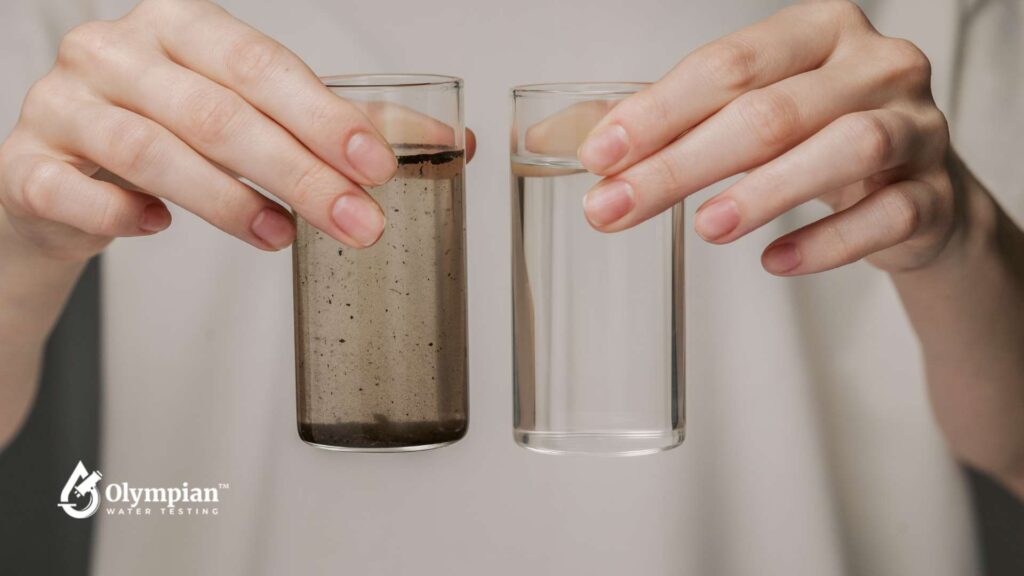
The presence of 1,4-dioxin in Long Island City has caused widespread soil contamination and water pollution. This chemical persists in the environment for years, posing ongoing threats even after factories have closed. The extent of contamination is clear from the following data:
- In 2011, U.S. factories released approximately 1.8 million metric tons of toxic chemicals into the air, land, and surface waters.
- Over 63.5 million metric tons of radioactive waste, mainly from spent nuclear fuel, is buried in landfills, trenches, and unlined tanks across the United States.
- Hundreds of billions of gallons of groundwater in the U.S. are contaminated with uranium and other toxic chemicals.
Long-Term Risks to the Ecosystem and Human Health
The long-term risks of 1,4-dioxin contamination in Long Island City are significant, affecting both ecosystems and human health. The following table highlights some of the key risks:
| Risk Category | Potential Consequences |
|---|---|
| Ecosystem Risks |
|
| Human Health Risks |
|
The environmental impact of 1,4-dioxin contamination in Long Island City is far-reaching. It has the power to affect the health and well-being of both the local ecosystem and the community for generations. Addressing this issue requires a thorough approach, including cleanup efforts, regulatory oversight, and ongoing monitoring. This is essential to ensure the safety of the environment and the public.
Health Consequences of 1,4-Dioxin Exposure for Long Island City Residents
Residents of Long Island City face severe health risks due to 1,4-dioxin contamination in groundwater. The Village of Hempstead, home to about 55,000 people, has found 1,4-dioxane levels between 7 and 10 parts per billion (ppb) in a 2022 survey. This exceeds the New York state limit of 1 ppb set in 2020. The highest levels detected were 900% above the state’s allowed levels.
1,4-dioxane is considered a probable carcinogen, linked to liver and kidney cancer. The Environmental Protection Agency (EPA) suggests a one-in-a-million cancer risk for those exposed to high levels. Dioxins also pose developmental risks to children and reproductive problems in adults, including infertility and miscarriages. TCDD, the most toxic dioxin, is classified as a human carcinogen.
| Health Effect | Description |
|---|---|
| Cancer | Increased risk of liver, kidney, and breast cancer |
| Developmental Problems | Adverse effects on child development |
| Reproductive Issues | Infertility and miscarriages |
| Chloracne | Hallmark skin disease resulting from dioxin exposure |
Long-term exposure to airborne dioxin emissions within 3 kilometers of residences has been associated with increased breast cancer risk. The strongest association is found for emissions from municipal solid waste facilities. Dioxin exposure is also linked to type 2 diabetes and ischemic heart disease.
Dioxins are classified as persistent organic pollutants (POPs) due to their slow breakdown in the environment. They have a broad impact on nearly every vertebrate species at various developmental stages, including in utero. With all nine wells in the Village of Hempstead found to have unacceptable levels of 1,4-dioxane, the health consequences for Long Island City residents remain a pressing concern.
Ongoing Research on the Extent and Implications of 1,4-Dioxin Contamination
Researchers are deeply involved in studying 1,4-dioxin contamination in Long Island City. They aim to understand its health impacts. The Yale Superfund Research Center is leading a study to measure 1,4-dioxin in water and blood. This study will help identify how this contaminant affects health.
The Citizens Campaign for the Environment is working with Yale to inform the community. They are launching educational efforts and encouraging people to participate in studies. This collaboration ensures that the research reflects the real-life experiences of those affected.
The health risks of 1,4-dioxin exposure are a major focus. Studies have linked it to various health problems. These include increased cancer risk, developmental issues, weakened immune systems, and endocrine disruption.
- Increased risk of certain cancers, such as soft tissue sarcoma and non-Hodgkin’s lymphoma
- Developmental and reproductive disorders
- Immune system suppression
- Endocrine disruption
Here are some statistics that highlight the issue:
| Statistic | Value |
|---|---|
| Wells in Village of Hempstead with unacceptable 1,4-dioxane levels | 9 out of 9 |
| Estimated cost to construct a new water system | $55 million |
| Village Board bond approval for the project | $50 million |
| People potentially benefiting from EPA’s new national standard | 100 million |
As research progresses, it’s vital for all stakeholders to collaborate. Policymakers, health officials, and the community must work together. By focusing on health and sustainable solutions, we can ensure clean water for everyone.
Regulatory Challenges in Addressing 1,4-Dioxin Contamination
Long Island City is grappling with significant regulatory hurdles due to 1,4-dioxin contamination in its groundwater and drinking water. The U.S. Environmental Protection Agency (EPA) has classified 1,4-dioxin as a probable human carcinogen. This highlights the urgent need for effective regulatory measures to protect public health and the environment.
The contamination, stemming from decades of industrial activity and improper waste disposal, poses a complex challenge. It demands coordination between various government levels and private industry. Ongoing community engagement and advocacy are essential to keep this issue at the forefront.

EPA Risk Evaluation and Health Risks
The EPA has identified numerous health risks associated with 1,4-dioxin exposure. These include:
- Liver toxicity and cancer from inhalation, dermal exposure, or ingestion of contaminated drinking water
- Severe liver and kidney effects, potentially resulting in organ failure
- Impairment of the immune system, developing nervous system, endocrine system, and reproductive functions
These risks emphasize the need for thorough risk evaluations and stringent regulatory standards. The EPA’s ongoing efforts to assess the extent and implications of 1,4-dioxin contamination are critical. They guide regulatory decision-making and prioritize cleanup efforts.
State-Level Initiatives and Drinking Water Standards
New York has taken proactive steps to address the 1,4-dioxin crisis. It has established a drinking water standard with a maximum contaminant level (MCL) of 1 part per billion (ppb). This standard is among the most protective in the United States. It aims to safeguard public health by limiting exposure to 1,4-dioxin through drinking water.
| Regulatory Body | 1,4-Dioxin Standard |
|---|---|
| New York State | MCL of 1 ppb |
| EPA (proposed) | MCL of 0.35 ppb |
New York also requires public water systems to monitor for over 100 different contaminants. They must report on all PFAS detected when any level of PFOA or PFOS is found. These state-level initiatives demonstrate a commitment to addressing the 1,4-dioxin crisis. They serve as a model for other states facing similar contamination issues.
Cleanup Efforts to Remediate 1,4-Dioxin Contamination in Long Island City
The cleanup efforts in Long Island City are vital due to its industrial past and health risks from 1,4-dioxin. The Newtown Creek Significant Maritime and Industrial Area (SMIA) covers over 780 acres. It’s the largest SMIA in New York City and has seen extensive remediation work.
The remedial investigation started in February 2012. It involves sampling surface water, sediment, groundwater, and air. This process is complex, using advanced technologies to remove contaminated soil and groundwater. The area affects about 380,000 people, with half being people of color and 47% non-English speakers.
In 2010, the Newtown Creek was listed on the EPA’s National Priorities List. A Record of Decision (ROD) was signed in April 2021 for combined sewer overflow (CSO) discharges. The ROD requires a post-ROD monitoring program by April 2024. The Proposed Plan will be available in multiple languages for public comment.
| Milestone | Date |
|---|---|
| Newtown Creek added to EPA National Priorities List | 2010 |
| Field work for OU1 Remedial Investigation/Feasibility Study begins | February 2012 |
| Record of Decision signed regarding CSO discharges | April 2021 |
| Post-ROD monitoring program finalized | April 2024 |
| Public comment period concludes | September 27, 2024 |
The cleanup in Long Island City involves environmental departments, local councils, and responsible parties. This includes the City of New York and five private parties. For over ten years, there has been ongoing community engagement. This ensures transparency and public participation in the remediation process.
The Role of Community Advocacy in Addressing the 1,4-Dioxin Crisis
In Long Island City, community advocacy has become a key player in addressing the 1,4-dioxin crisis. Residents, activists, and environmentalists have come together to highlight the dangers of this toxic chemical. They demand action from regulatory bodies and stakeholders. Their relentless efforts have brought attention to the issue and pushed for more aggressive cleanup measures.
Community advocates have used various grassroots efforts to educate the public about 1,4-dioxin dangers. They’ve organized meetings, distributed educational materials, and leveraged social media. This has empowered residents, building a strong foundation for community engagement and mobilization.
Grassroots Efforts to Raise Awareness
The "LIC Clean Water Coalition" is a prime example of grassroots advocacy in Long Island City. This group of concerned citizens has led the fight against 1,4-dioxin contamination. They’ve organized rallies, petitions, and letter-writing campaigns to pressure local officials and regulatory agencies. Their persistence has kept the issue in the spotlight, galvanizing community support.
Another effective strategy has been the use of storytelling and personal narratives. Residents affected by 1,4-dioxin contamination have shared their experiences. These stories have put a human face on the crisis, motivating others to join the cause.
Holding Regulatory Bodies and Stakeholders Accountable
Community advocates have also played a key role in holding regulatory bodies and stakeholders accountable. They’ve attended public meetings, submitted comments during regulatory proceedings, and filed formal complaints when necessary. Their consistent voice has ensured the issue remains a priority for decision-makers.
One notable victory was the formation of a task force to investigate 1,4-dioxin contamination in Long Island City. This task force includes community representatives, overseeing cleanup efforts and ensuring transparency. The inclusion of community members on this task force highlights the power of advocacy in shaping the response to the crisis.
As the fight against 1,4-dioxin contamination continues, community advocacy remains vital in Long Island City. By raising awareness, mobilizing support, and holding those in power accountable, advocates are working tirelessly to protect their community’s health and well-being. Their efforts are an inspiring example of the impact grassroots movements can have against environmental injustice.
Sustainable Urban Development in the Face of 1,4-Dioxin Contamination
Long Island City is evolving from an industrial area to a vibrant residential and commercial center. The legacy of 1,4-dioxin contamination highlights the need for eco-friendly practices and strict environmental regulations. This shift is critical as the city grows rapidly.
Green infrastructure is key in reducing the effects of past contamination and ensuring a healthier future for Long Island City’s residents. Rain gardens, for instance, show great performance at a filtration coefficient of 7.0 cm/h. They help manage stormwater runoff and lower contamination risks. Green spaces also beautify the city and offer essential environmental benefits, improving community well-being.
Yet, the journey to sustainable urban development faces hurdles. Environmental justice issues, like unequal exposure to hazards and limited access to green spaces, must be tackled. This ensures all Long Island City residents benefit from its transformation. Below are some statistics on environmental justice and sustainable development:
| Statistic | Value |
|---|---|
| Decrease in vegetation (2017-2022) | 3.371 km² to 1.557 km² |
| Increase in built-up areas (2017-2022) | 3.634 km² to 6.227 km² |
| Reduction in soil loss with woven bags (RW) compared to control (CK) | 61.85% to 99.64% |
| Accuracy of predictive model for reinforced concrete pipe condition assessment | Around 90% |
To achieve sustainable urban development, Long Island City must focus on ongoing monitoring of contaminated areas. It should invest in green infrastructure and engage the community on environmental justice. By learning from its industrial past and adopting eco-friendly practices, the city can balance economic growth with environmental sustainability. This ensures a better future for future generations.

Facts About Long Island City Water and the Importance of Testing
For Long Island City residents, water quality is a top concern, with hidden threats like 1,4-dioxin contamination posing risks. Regular water testing is key to ensuring tap water is safe. The Jericho Water District serves 58,000 people with 19,819 connections, producing 4,702,880,000 gallons in 2023. Daily, they treat and pump 12,777,502 gallons into the system.
Despite these numbers, staying vigilant about water testing importance is critical. In 2023, nitrate levels in drinking water were 6.2 mg/L, exceeding half of the Maximum Contaminant Level (MCL) of 10 mg/L. This is not an immediate health risk but highlights the need for continuous monitoring and testing for safe drinking water.
The Jericho Water District has a strong infrastructure, including 353 miles of mains, 25 wells, and six tanks with 12.90 million gallons of storage. Yet, the district’s susceptibility assessment shows high risks from industrial solvents and nitrates due to local land use. This emphasizes the need to stay informed about long island city water facts.
| Contaminant | Detected Level | Maximum Contaminant Level (MCL) |
|---|---|---|
| Nitrate | 6.2 mg/L | 10 mg/L |
| Barium | 0.99 mg/L | 2 mg/L |
| Chlorine Residual | 1.44 mg/L | 4 mg/L (MRDL) |
Residents can also take steps to protect their health by testing for environmental hazards like radon. In New York State, homeowners can get a radon test for $12.25, which includes the kit, analysis, and postage. Testing for radon is recommended during winter months when homes are closed up.
By staying informed about long island city water facts, recognizing the water testing importance, and ensuring safe drinking water, Long Island City residents can safeguard their health and well-being for the future.
The Future of Long Island City’s Water Quality
Long Island City’s water quality has been a pressing concern for residents and authorities alike. The area’s industrial past and the presence of contaminants like 1,4-dioxin have raised alarms. Balancing economic development with environmental sustainability is key to ensuring a safe water supply for future generations.
Recent studies have found trace amounts of PFAS in some water sources. This is due to industrial activities, wastewater runoff, and firefighting foam contamination. The Department of Environmental Protection (DEP) is investigating sources of PFAS, focusing on the Kensico Reservoir.
Balancing Economic Development and Environmental Sustainability
As Long Island City grows, finding a balance between economic growth and environmental protection is essential. This means stricter regulations on industrial waste, investing in green infrastructure, and promoting eco-friendly practices. It’s about making sure businesses and residents contribute to environmental sustainability.
Ensuring future water quality requires ongoing monitoring and advanced filtration methods. The DEP has been proactive, with tests showing undetectable PFAS levels in upstate reservoirs. Yet, drought conditions and increased water use have highlighted the need for conservation and infrastructure upgrades.
Lessons Learned from Long Island City’s Industrial Past
Long Island City’s industrial history is a stark reminder of pollution’s long-term effects. The presence of 1,4-dioxin in groundwater is a direct result of past activities. Addressing this legacy will require a joint effort from authorities, local government, and residents.
One key lesson is the need for stronger regulations and enforcement. The implementation of nitrogen TMDLs in 2000 has shown positive results, reducing hypoxic areas by up to 60%. Similar strategies can be applied to other contaminants, ensuring industries are accountable for their environmental impact.
| Year | Surface Water DIC/TA Range | Bottom Water DIC/TA Range |
|---|---|---|
| 2020 | 0.88 – 1.00 (median 0.94) | 0.88 – 1.00 (median 0.94) |
| 2021 | 0.86 – 0.95 (median 0.91) | 0.86 – 0.95 (median 0.91) |
The table shows the DIC/TA ratio in Long Island Sound’s waters in 2020 and 2021. Lower values indicate less acidification, highlighting the need to monitor and address ocean acidification factors.
As Long Island City moves forward, learning from the past is critical. Prioritizing environmental sustainability alongside economic growth is essential. By investing in clean technologies, enforcing pollution controls, and fostering environmental stewardship, the city can ensure clean, safe water for all.
Collaborative Efforts to Clean Up 1,4-Dioxin Pollution
Cleaning up 1,4-dioxin pollution in Long Island City requires a team effort. Regulatory bodies, local governments, residents, and environmental groups must unite. Together, they can tackle the complex issues caused by this harmful pollutant. By pooling their resources and expertise, they can craft effective plans for cleanup and restoration.
Dioxins, including 1,4-dioxin, are extremely toxic. They can lead to serious health problems, such as cancer and reproductive issues. The World Health Organization (WHO) notes that over 90% of human exposure to dioxins comes from food. This issue gained widespread attention in the late 1970s and early 1980s, mainly due to veterans’ exposure to Agent Orange.
In Long Island City, a collaborative effort is underway. Strict limits are being set for dioxin-related compounds like PFOA and PFOS. These limits ensure the water is safe and protect the environment from further harm. Below is a table showing the maximum contaminant levels for key compounds:
| Compound | Maximum Contaminant Level (MCL) |
|---|---|
| Perfluorooctanoic acid (PFOA) | 4.0 ng/L |
| Perfluorooctane sulfonic acid (PFOS) | 4.0 ng/L |
| Perfluorohexane sulfonic acid (PFHxS) | 10 ng/L |
| Perfluorononanoic acid (PFNA) | 10 ng/L |
| Hexafluoropropylene oxide dimer acid (HFPO-DA) | 10 ng/L |
Stakeholder cooperation is key to successful cleanup efforts. The Bipartisan Infrastructure Law has allocated over $11.7 billion for drinking water. This includes $4 billion for emerging contaminants and $5 billion for grants to help disadvantaged communities. This funding will aid in the cleanup of 1,4-dioxin pollution in Long Island City, safeguarding public health.
Through collaboration, stakeholders can ensure cleanup efforts are effective and sustainable. The benefits of the final rule are estimated at $1,549.40 million annually. The costs are estimated at $1,548.64 million annually. The rule is expected to prevent 29,858 illnesses and 9,614 deaths. Public water systems must meet the MCLs by April 26, 2029, to ensure a safer environment for Long Island City residents.
Long-Term Strategies for Protecting Long Island City’s Water Resources
Protecting Long Island City’s water for future generations demands a multi-faceted approach. We must implement targeted strategies and invest in sustainable solutions. This will ensure clean, safe water for years to come.
Monitoring contaminated areas is a critical aspect of long-term water protection. Studies reveal over $197 million in funding for environmental justice communities hit by pollution. Tracking cleanup progress and identifying new threats allows us to act quickly to reduce risks.
Investing in Green Infrastructure
Green infrastructure is essential for improving water quality and reducing stormwater runoff. Solutions like permeable pavements, rain gardens, and green roofs help mitigate the effects of heavy rainfall. This is vital, given the increase in extreme weather events. In New York State, nearly half of the grants, about $102 million, will fund projects in watersheds with past harmful algal blooms.
| Green Infrastructure Solution | Benefit |
|---|---|
| Permeable Pavers | Allows stormwater to soak into the ground instead of running off to storm drains |
| Rain Gardens | Filters out pollutants from stormwater runoff, allowing it to naturally soak into the ground |
| Native Plants in Gardens | Reduces the need for chemical fertilizers and pesticides, as they are adapted to local conditions |
Promoting Eco-Friendly Practices
Encouraging eco-friendly practices is vital for long-term water protection. Simple actions like proper waste disposal, using non-toxic cleaning products, and minimizing single-use plastics significantly benefit our water resources. Educating the public on vehicle maintenance and lawn fertilization timing also helps reduce harmful runoff.
By adopting these strategies and investing in sustainability, we can protect Long Island City’s water for generations. Together, we can ensure clean, safe water for our community, preserving our ecosystem and residents’ well-being.
The Lasting Environmental Legacy of Long Island City’s Industrial History
Long Island City’s industrial past has left a profound environmental legacy. The long-term effects of pollution and contamination are evident today. The presence of 1,4-dioxin in groundwater is a stark reminder of unchecked industrial activities’ consequences. As Long Island City evolves, addressing this environmental legacy is vital for a sustainable future.
Recent studies and reports reveal ongoing challenges from industrial pollution. Queensbridge-Ravenswood-Long Island City saw over 20,000 pounds of toxic chemical releases in 2022. All its census tracts are classified as Environmental Justice areas. This highlights the need for targeted efforts to clean up contaminated sites and protect public health.
Long Island City must balance economic growth with environmental sustainability. By learning from its industrial past and prioritizing environmental stewardship, it can be a model for others. Collaborative efforts from government, community groups, and private sectors are critical. They are needed to address pollution’s lasting impacts and create a healthier Long Island City.
As Long Island City transforms, it’s essential to acknowledge and address its industrial history’s environmental legacy. Investing in cleanup efforts and promoting sustainable development is key. By doing so, the community can strive for a future where economic growth and ecological responsibility coexist. Only by confronting pollution’s long-term impacts can Long Island City truly thrive.
FAQ
What is the history of industrial activity in Long Island City?
Long Island City emerged as a manufacturing hub in the late 19th century, boosting New York City’s economy. Yet, its factories and chemical plants left behind a toxic legacy. This includes 1,4-dioxin, a hazardous chemical that poses health risks and complicates cleanup efforts.
How did 1,4-dioxin contamination occur in Long Island City?
The presence of 1,4-dioxin in Long Island City stems from decades of industrial activities. This contamination of water and soil resulted from improper waste disposal and chemical manufacturing. 1,4-Dioxin, a toxic byproduct, is often produced in the making of herbicides and other chemicals.
What are the health risks associated with 1,4-dioxin exposure?
Exposure to 1,4-dioxin can cause liver and kidney damage, reproductive issues, and an increased cancer risk. In Long Island City, the contamination of groundwater heightens these risks. Residents near contaminated areas face long-term health consequences.
What is the current status of 1,4-dioxin contamination in Long Island City’s groundwater?
Studies and reports from 2023 reveal ongoing 1,4-dioxin contamination in Long Island City’s groundwater. A report by the Citizens Campaign for the Environment highlighted its presence in drinking water. The lack of a federal Maximum Contaminant Level and the need for filtration systems pose challenges.
What is the environmental impact of 1,4-dioxin in Long Island City?
1,4-Dioxin, a persistent pollutant, has contaminated soil and water in Long Island City. Its persistence in the environment for years poses ongoing threats. This contamination affects local health and the area’s future development.
What cleanup efforts are being made to remediate 1,4-dioxin contamination in Long Island City?
Efforts to clean up 1,4-dioxin in Long Island City involve advanced technologies and long-term monitoring. Cleanup focuses on removing contaminated land, with joint efforts by environmental departments and local councils. The goal is to address severe contamination sites.
How can residents protect their drinking water from 1,4-dioxin contamination?
Residents of Long Island City face a hidden threat from 1,4-dioxin in their water. Regular water testing is key to ensuring safety. Staying informed and protecting drinking water is vital for residents’ health.
What long-term strategies are in place to protect Long Island City’s water resources?
Long-term protection of Long Island City’s water resources requires a multi-faceted approach. Continuous monitoring and cleanup efforts are essential. Investing in green infrastructure and promoting eco-friendly practices can also improve water quality.