
Overview of Water Sources in the United States
A variety of water sources impacts daily life across the country. Some areas get treated water from rivers or lakes, while others tap into groundwater beneath layers of rock. Public utilities oversee and purify these sources, creating the municipal water supply many are familiar with. The choice between these options often depends on climate and terrain.
Private wells serve properties without access to city systems. The geology of an area can affect water quality, introducing minerals and trace elements. Municipal water supplies adhere to strict federal and state standards, but local testing practices can differ. Both private wells and municipal systems require regular maintenance and monitoring. This diversity highlights the reasons behind Americans’ varied approaches to accessing clean water.
Understanding well water vs tap water
Water is essential in our daily lives, yet the debate on well water vs tap water quality and safety persists. Private wells, springs, and cisterns are not regulated by the Safe Drinking Water Act. This means owners must test their water regularly. In contrast, public water systems must adhere to standards that limit over 90 contaminants.
The Basic Definitions
Well water originates from a private underground source. Homeowners are responsible for ensuring its cleanliness, as it bypasses large-scale treatment. Tap water, on the other hand, flows through a municipal system. It is overseen by the Environmental Protection Agency, which enforces safety protocols at each stage. This framework protects public health but may involve energy-intensive treatments.
Common Misconceptions
Some believe well water is inherently safe. Others think city water is always free from contamination. Both sources can pose risks if not monitored properly. Contaminants can come from industrial runoff or failing infrastructure. For more information, refer to this short guide on system upkeep.
Environmental Implications
Wells reduce reliance on extensive pipelines, potentially lowering transport-related emissions. Municipal infrastructures address large-scale consumption needs but require significant energy for treatment. The choice between well water and tap water can impact local ecosystems, depending on how each source is protected and preserved.
Quality and Purity Considerations
City-treated water must adhere to federal standards under the Safe Drinking Water Act. This ensures a reduction in microbial threats. Yet, small amounts of chlorine or other agents might remain. Some households opt for extra filtration to eliminate these residues or odors.
Private wells, on the other hand, are not under federal oversight. Property owners must remain vigilant. Regular testing, structural assessments, and private well maintenance are essential to prevent pollutants from entering aquifers. A detailed approach is necessary to ensure both taste and health, as contamination risks vary by location.
Here are some tips to maintain water quality:
- Schedule annual testing and routine repairs
- Inspect seals, casings, and pumps for wear
- Use certified labs for accurate evaluations
These measures ensure a consistent supply. Private well maintenance helps avoid sudden problems and reduces long-term costs. Even in regulated municipal systems, home-based purification can offer additional reassurance.
Water Source | Key Considerations |
Municipal Supply | Regulated under federal laws; minimal oversight by homeowners; possible chemical residues |
Private Well | Regular testing needed; owner responsibility for safety; varied contaminant risks |
Key Differences in Taste
Every sip can reveal unique characteristics, making taste a key factor in water selection. Some people note a distinct freshness when drinking well water, often tied to its natural mineral composition. City water, though purified for safety, might carry hints from disinfectants.
Fluoride or chlorine can alter flavor profiles, leaving some individuals sensitive to subtle tastes. On the other hand, well water may provide a smoother feel due to elevated mineral levels. Each preference is shaped by personal health goals and household habits.
That said, water filtration systems can address lingering flavors in both sources, delivering a cleaner taste. Consumers often select advanced filters or reverse osmosis units to reduce chlorine residue and excess minerals. Water filtration systems boost confidence, encouraging households to savor each refreshment.
Mineral Content and Its Effects
Minerals are what make water unique. Elements like calcium, magnesium, and iron can alter taste and offer health benefits. They create a distinct drinking experience for those seeking safe water. Finding the right balance is key.
This balance is about understanding how minerals impact our daily lives. Some prefer thorough testing to ensure quality while keeping valuable nutrients. This approach is common in households.
Potential Benefits for Health
Calcium and magnesium are vital for bone health. Iron aids in oxygen transport and boosts energy. Many value these minerals for their wellness benefits. A moderate amount in drinking water can meet dietary needs easily.
Possible Negative Impacts
Too much of any mineral can cause problems. Excess can lead to scale buildup on sinks and appliances. Hard water affects laundry and cleaning. High iron levels can cause discoloration or metallic tastes. Filtration systems or softeners can mitigate these issues.
Mineral | Primary Benefit | Drawback |
Calcium | Bone development | Scale residue |
Magnesium | Muscle function | Potential taste change |
Iron | Red blood cell support | Rusty stains |
Addressing Water Safety Concerns
Many households focus on preventing hidden hazards in their drinking supply. This step involves awareness of pollutants that might affect taste and health. Routine evaluations can reveal trouble spots.
Bacteria and Contaminant Risks
Common issues include microorganisms, heavy metals, and industrial runoff. Community water systems often face strict rules set by the Environmental Protection Agency. Private wells depend on each owner’s initiative for consistent water testing. Regular checks by certified labs gauge bacterial content or chemical buildup before it leads to larger challenges.
Filtration and Treatment Options
Several filtration methods tackle different threats in drinking water. Reverse osmosis can reduce harmful metals, while activated carbon filters capture many organic compounds. UV treatment targets bacteria, and chlorination can cut down on possible viral contamination. Consistent water testing helps identify which solution best fits a home’s needs. Skilled technicians or trusted brands like Culligan or Brita offer systems that address various safety concerns, providing peace of mind and a cleaner glass of water.
Costs and Maintenance for Each System
Homeowners often ponder the cost difference between well water and city water. Drilling a well can range from $3,750 to $15,300, influenced by depth and installation details. This initial investment requires ongoing maintenance, like annual water tests for $120 to $200, and occasional pump repairs. Despite this, the absence of monthly water bills can save families up to $45 each month. Over the years, these savings can help offset the initial well cost, provided maintenance is managed wisely.
City water, on the other hand, benefits from established infrastructure. It comes with usage-based fees that can change with demand and municipal rates. Those seeking a stable service should prepare for rate increases that could affect their budget. By comparing the upfront costs of well installation with the ongoing costs of city water, families can determine which option fits their financial needs better.
Examining Environmental Factors
Water sources significantly impact local ecosystems. Systems reliant on long pipelines and complex treatment processes can elevate carbon footprints. In contrast, private wells tap into nearby groundwater, potentially reducing the need for long-distance transport.
Sustainability Issues
Responsible aquifer management often supports greener practices through well water. Over-extraction can lower water tables and introduce pollutants. Careful planning is essential to maintain natural balance and ensure a sustainable water supply for the future.
“Conserving water today will help protect local watersheds tomorrow.” — U.S. Environmental Protection Agency
Protecting these reserves involves routine inspections, regular monitoring, and mindful water usage. Each step contributes to reducing waste and pollution.
Local Regulations
Before drilling a well, state and county authorities often require permits. These regulations aim to safeguard groundwater from contamination and ensure equitable access to water supplies. They also dictate testing standards and sealing procedures to maintain water quality.
Taste Preferences Across Different Regions
Water preferences are often shaped by local factors. In some states, municipal water systems use chlorine, which can give water a distinct taste. On the other hand, chloramine is used in other areas, resulting in a milder flavor. The mineral content in water, influenced by the geology of an area, also plays a significant role.
In mountainous regions or near limestone deposits, the mineral content can vary. This variation can lead to different taste experiences. Some people prefer water with a slightly higher hardness level, finding it richer. Others prefer water that feels softer on their palate.
Regional opinions on water are often rooted in tradition. In coastal cities, the focus on tap water safety is high, following Environmental Protection Agency guidelines. This boosts confidence in the public water supply. Those who grew up with well water often appreciate its unique taste and natural quality.
Despite the ongoing research into effective filtration and treatment methods, tap water safety remains a concern. Personal preference and familiarity often influence the choice between tap water and other sources. This highlights the importance of considering local factors when evaluating water quality.
Tips for Testing Your Water Quality
Many homeowners are unsure about how to distinguish between well water and tap water. Practical testing can clarify this, showing pH balance and hardness levels. Knowing your water’s composition brings peace of mind.
Some individuals use simple tools like pH strips to check acidity. Others opt for specialized kits that detect bacteria, chlorine, and more. This method offers a reliable view of water safety, addressing concerns about contaminants.
DIY Kits vs Professional Testing
Store-bought tests are easy to use and quickly indicate possible problems. Yet, labs can find microorganisms or heavy metals that basic kits miss. This deeper insight is valuable for those seeking a detailed understanding of their water.
Interpreting Results
After analysis, it’s easier to adjust treatment methods. Tests might uncover mineral imbalances, microbes, or chemicals not initially apparent. This knowledge allows residents to fine-tune filtration, addressing each difference between well water and tap water effectively.
Homeowner Considerations When Drilling a Well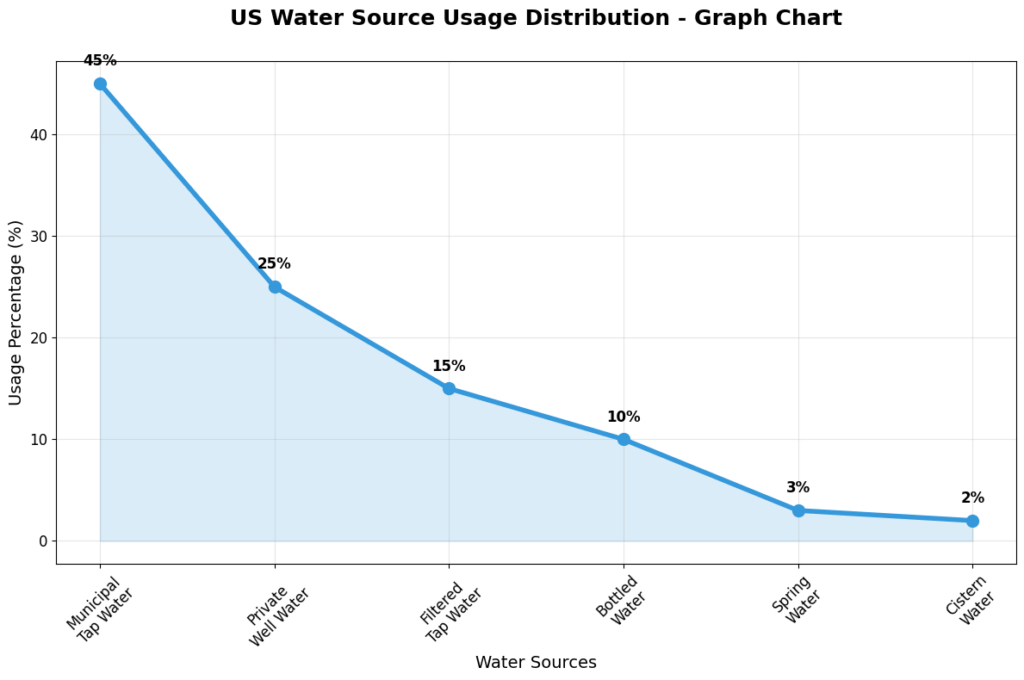
Drilling a well can be an exciting venture, heavily influenced by the land’s geology. The density of the soil and the type of rock formations play a significant role in determining the drilling’s complexity. This, in turn, affects the choice of equipment. A deeper well may offer a more reliable water source but increases the overall cost.
Installation expenses include:
- Drilling fees ranging from $15 to $25 per foot
- Complete well water system between $25 and $65 per foot
- Permits, water testing, and any needed treatments
When considering well water vs tap water, the cost of drilling is a critical factor. Maintenance is essential, involving pump upkeep, seal checks, and regular water quality tests. Many homeowners opt for wells to save on monthly water bills and enjoy the taste. Some even prefer well water for its natural filtration, which can alter the taste.
Regular water quality tests are essential for safety. Changes in water quality can occur over time. Understanding local regulations and the geology of the area helps homeowners budget effectively. This knowledge supports the pursuit of a self-sufficient water source.
Steps to Improve Tap Water Quality
Many people aim for cleaner, fresher-tasting water at home. Upgrading equipment or assessing current systems can lead to significant improvements. Some aim to reduce contaminants, while others seek a more appealing taste. The ultimate goal is a safer, more enjoyable drinking experience.
Modern technology plays a key role in achieving this. Installing water filtration systems can significantly reduce impurities and alleviate quality concerns. Evaluating plumbing conditions and exploring available options is essential for finding the right fit. Regular maintenance also extends the life of these systems.
Installing a Filtration System
There are various solutions to enhance tap water quality. Under-sink filters are ideal for high-usage areas. Whole-house systems manage all water sources in the home. Brands like Pur and Culligan offer a range of products. Regularly replacing filters ensures optimal performance.
- Centralized Filters: Tackle large volumes at once.
- Point-of-Use: Serve specific faucets or fixtures.
- Maintenance Checks: Keep systems running smoothly.
Working with Municipal Services
Local water utilities provide updates on public infrastructure. Homeowners can request water quality reports or testing for deeper insights. City-level improvements impact safety, making it wise to stay informed. Officials may upgrade pipes or adjust disinfection strategies based on feedback.
Filtration Type | Example | Key Benefit |
Whole-House | GE Smart Series | Combats pollutants across all taps |
Under-Sink | Brita Complete | Targets drinking and cooking water |
Countertop Pitcher | Pur Classic | Quick setup and easy to replace filters |
Making the Best Choice for Your Household
Some people prefer an independent well, tapping into natural aquifers, avoiding municipal chemicals. Drilling costs range from $5,000 to $15,000. Routine testing, from $250 to $550, protects against contaminants like iron or manganese. This ensures safe drinking water for families who maintain their systems.
Others prefer municipal tap service, as public facilities handle regular checks and treatment. This option spares the cost of testing, though monthly fees apply. Tap water may contain chlorine or fluoride, affecting taste. Homeowners might install additional filters. It offers consistent quality without the drilling and maintenance costs of a personal well.
The choice depends on location, budget, and willingness to handle ongoing duties. Both systems provide safe drinking water if users stay vigilant about quality changes. Testing, comparing costs, and considering personal preferences are key to making the right choice for each household.