Saving Water in the Bathroom
The bathroom is a key area for water conservation in your home. Simple changes can greatly reduce water use and support environmental sustainability. Let’s look at effective ways to save water in the bathroom.
Install Low-Flow Showerheads and Faucet Aerators
Switching to low-flow showerheads and faucets can significantly cut down water use. Low-flow showerheads use about 2 gallons per minute, compared to 5 gallons for older models. Faucet aerators also reduce water flow without losing functionality. These upgrades can save at least 20% of bathroom water.
Take Shorter Showers
Shorter showers are a simple way to save water. Cutting shower time by 2 minutes can save up to 150 gallons monthly. Use a timer or a water-efficient playlist to stay on track.
Turn Off the Tap While Brushing Teeth or Shaving
Many people waste water by leaving the tap on while brushing or shaving. Turning it off can save up to 200 gallons monthly for a family of four. It’s a small change with a big impact.
Fix Leaky Toilets and Faucets
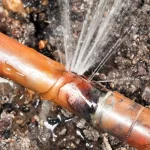
Leaky toilets and faucets waste a lot of water. A small leak can waste up to 20 gallons daily, leading to significant waste over time. Regularly check for leaks and fix them to save water and prevent plumbing damage.
Water-Saving Strategy | Potential Water Savings |
Installing low-flow showerheads | At least 20% water conservation |
Shortening showers by 2 minutes | Up to 150 gallons per month |
Turning off tap while brushing teeth | Up to 200 gallons per month for a family of four |
Fixing a small leak | Up to 20 gallons per day |
By adopting these water-saving strategies in your bathroom, you can greatly reduce your water usage. Every drop matters in preserving our water resources.
Water-Efficient Kitchen Practices
The kitchen is a central hub of activity in most homes, where significant amounts of water are consumed. By adopting water-efficient practices, households can reduce their water usage. This contributes to overall conservation efforts. Let’s explore some effective strategies for saving water in the kitchen.
Run Dishwasher Only When Full
One simple way to save water in the kitchen is to run the dishwasher only when it’s full. Dishwashers use a fixed amount of water per cycle, regardless of the load size. By waiting until the dishwasher is fully loaded, you can maximize water efficiency and avoid unnecessary water waste. Pre-rinsing dishes is generally unnecessary, as modern dishwasher detergents are designed to rehydrate dried food and effectively clean dishes without the need for pre-rinsing.
Install a Water-Efficient Dishwasher
When it’s time to replace your dishwasher, consider investing in a water-efficient model. ENERGY STAR certified dishwashers use advanced technology to minimize water consumption while delivering exceptional cleaning performance. These water-efficient dishwashers can save a significant amount of water compared to older, less efficient models. Look for features such as multiple wash cycles, soil sensors, and efficient spray arm designs that optimize water usage based on the specific needs of each load.
Don’t Let the Faucet Run While Washing Dishes or Preparing Food
Another effective strategy for saving water in the kitchen is to avoid letting the faucet run continuously while washing dishes or preparing food. Instead, fill one sink with soapy water for washing and another with clean water for rinsing. This approach allows you to efficiently wash and rinse dishes without wasting water. When preparing fruits, vegetables, or other foods, use a bowl or container to collect the water instead of letting it run down the drain. The collected water can then be used for watering plants or other purposes.
Water-Saving Tip | Potential Water Savings |
Running dishwasher only when full | Saves water by maximizing efficiency per cycle |
Installing a water-efficient dishwasher | Can save a significant amount of water compared to older models |
Not letting faucet run while washing dishes or preparing food | Prevents unnecessary water waste |
By implementing these water-efficient kitchen practices, households can significantly reduce their water consumption. Small changes, such as running full loads in the dishwasher, installing water-efficient appliances, and being mindful of faucet usage, can collectively make a substantial impact on saving water in the kitchen. Adopting these habits not only benefits the environment but can also lead to lower water bills and a more sustainable household.
Laundry Room Water Conservation
The laundry room is a major source of household water usage, with traditional washers using up to 50 gallons per load. Simple changes can greatly reduce water use, aiding in water conservation in the laundry room.
Investing in a high-efficiency washer is a key step. These machines use up to one-third less water than traditional top-loaders, with even more savings in the Quick Wash cycle. A family of four can save hundreds of liters of water each year by switching to a front-loading model.
Running full laundry loads is another effective way to save water. This practice can lead to significant water savings over time. Adjusting load-size settings on your machine for smaller loads and avoiding extra rinse cycles can also help. Washing clothes in cold or warm water instead of hot water saves both water and energy.
Consider reusing towels and wearing clothes multiple times before washing. This approach can greatly reduce the number of washes needed, saving water. Installing a greywater recycling system can also save water and energy in the long run. It reuses water from your washing machine for tasks like watering plants or flushing toilets.
Regular maintenance checks on your washing machine are essential. They prevent leaks and ensure it operates efficiently. Inspecting water fill hoses and internal hoses for leaks can prevent water waste and damage to your home.
By adopting these water-saving strategies in your laundry room, you can help conserve our planet’s most vital resource. You’ll also see a decrease in your household’s water bills.
Saving Water in Your Home’s Outdoor Spaces
Homeowners often focus on saving water indoors, but outdoor spaces also play a big role. Simple strategies can help you save water and keep your outdoor spaces beautiful and healthy.
Water Your Lawn Efficiently
One key way to save water outside is through efficient lawn watering. Water your lawn in the early morning or late evening when it’s cooler. This helps the water soak into the soil better. Using a smart irrigation system that adjusts based on weather and soil moisture is also smart.
Use Drought-Resistant Plants in Your Landscaping
Using drought-tolerant landscaping can cut down your outdoor water use a lot. Pick native plants that need less water. Succulents and cacti are great for saving water and adding beauty to your yard.
Install a Drip Irrigation System
Drip irrigation is a smart way to water plants and gardens. It delivers water right to the roots, not over the whole area like sprinklers. This method saves water and helps plants grow better.
Collect Rainwater for Watering Plants
Rainwater harvesting is a smart and affordable way to water plants. Collecting rainwater in barrels or cisterns means less need for city water. It’s perfect for watering plants and lawns when it’s dry. Rainwater is soft and free of chemicals, good for plants.
Adding mulch around plants also helps. It keeps the soil moist and stops water from evaporating. Mulch also keeps the soil cool, which is good for plants.
Water-Saving Tip | Potential Water Savings |
Efficient lawn watering | Up to 50% reduction in outdoor water use |
Drought-tolerant landscaping | 30-50% reduction in water consumption |
Drip irrigation | 30-70% more efficient than traditional sprinklers |
Rainwater harvesting | Varies based on rainfall and storage capacity |
By using these water-saving tips, you can cut down your water use and keep your outdoor spaces looking great. Every bit of water saved helps conserve this precious resource.
Saving Water in Your Home through Leak Detection and Repair
Did you know the United States loses 2 trillion gallons of treated drinking water annually due to leaks? A small faucet drip can waste over 3,000 gallons yearly. A leaking toilet wastes about 200 gallons daily if not fixed. These figures underscore the critical need for leak detection and prompt repair to save water and prevent damage.
To detect leaks, regularly check your home for signs like discoloration, peeling paint, or mold. If you suspect a leak, verify it with your water meter. A simple food coloring test can reveal toilet leaks. Acting quickly on a leak discovery is essential to avoid significant water waste and damage. Household leaks can waste over 10,000 gallons yearly, with 10% of homes wasting 90 gallons or more daily.
Fixing leaks can be done DIY for minor issues or by a professional for more complex ones. Simple leaks, like a dripping faucet, can be fixed with basic tools. Yet, for leaks requiring pipe access, a professional plumber is best. They use advanced technologies like acoustic leak detection or infrared thermography for accurate leak identification.
Smart water leak detection systems can cut water waste by up to 30%. These systems monitor water usage in real-time and can automatically shut off the supply upon detecting a leak. Professional leak detection services cost between $75 to $350, based on complexity and technology. The investment is justified by the savings on utility bills and the prevention of costly water damage.
By focusing on leak detection and repair, you can save water, lower utility bills, and prevent expensive water damage. Remember, even small leaks can waste up to 10 gallons daily. Stay alert and address leaks promptly to safeguard your home and the environment.
Install Water-Saving Devices Throughout Your Home
Installing water-saving devices is a key strategy for reducing water use at home. These products help cut down on water usage without sacrificing performance or comfort. By choosing these devices, you can save water, lower your utility bills, and support environmental sustainability.
Low-flow fixtures are a top choice for water-saving. For instance, low-flow showerheads use less than 2 gallons per minute, compared to 2.5 gallons for traditional ones. This simple change can save a household about 2,700 gallons of water annually. Low-flow faucet aerators also reduce water flow while maintaining pressure for tasks like washing hands or dishes.
Low-Flow Toilets
Water-saving devices can also make a big difference in toilets. Dual flush toilets offer two options: a low-volume flush for liquids and a higher-volume one for solids. They can save up to 67% of water per flush compared to standard models. For those hesitant to replace their toilets, toilet tank banks can be installed to cut water usage by 0.8 to 1.5 gallons per flush.
Dual Flush Toilet Converters
Dual flush toilet converters are a budget-friendly option for those not ready to replace their toilets. These devices modify existing toilets to offer a dual flush function. This allows for a full flush or a reduced one, saving a lot of water without needing a new toilet.
Faucet Aerators
Faucet aerators are small, affordable devices that can be attached to faucets to lower water flow. They mix air with water, creating a smooth flow while using less water. Installing these in your kitchen and bathroom sinks can lead to significant water savings over time.
Water-Saving Device | Water Savings |
Low-Flow Showerheads | 2,700 gallons per year |
Dual Flush Toilets | Up to 67% per flush |
Toilet Tank Banks | 0.8 to 1.5 gallons per flush |
Water-Efficient Dishwashers | Up to 7 gallons per cycle |
Consider smart irrigation controllers for outdoor spaces too. These adjust watering schedules based on weather and plant needs, ensuring optimal water use. Greywater systems, which collect water from various sources for reuse, are another innovative solution. They can be used for toilet flushing or irrigation.
By installing water-saving devices, you can greatly reduce your water usage. These devices not only save you money on water bills but also show your commitment to environmental care.
Adopt Water-Conscious Habits
Embracing water-saving habits is essential for preserving this vital resource in our homes. By making small adjustments in our daily routines, we can greatly reduce our water usage. This contributes to a more sustainable future.
Turn Off Faucets When Not in Use
One of the simplest yet most effective water-saving habits is turning off faucets when not in use. For example, while brushing your teeth, you can save up to 8 gallons of water each day by turning off the tap. Also, when scrubbing dishes, turn off the faucet until you’re ready to rinse. Fixing a leaky faucet can save up to 3,000 gallons of water per year for a single household.
Reuse Greywater for Plants or Flushing Toilets
Another water-saving habit is reusing greywater from showers, baths, and sinks for watering non-edible plants or flushing toilets. Greywater recycling systems can reduce household water usage by up to 50% by repurposing water for non-potable uses. It’s vital to follow local regulations when setting up greywater reuse systems.
Adopting a mindful approach to water usage in our daily activities is key to conserving this vital resource. By incorporating water-saving habits like turning off faucets when not in use and reusing greywater, we can significantly reduce our water consumption. This contributes to a more sustainable future.
Educate Your Family About Water Conservation
Water conservation is a critical task that begins at home. Educating your family about saving water can significantly reduce your household’s water use. This effort not only supports global water preservation but also instills eco-friendly values. It also strengthens family unity and shared goals.
Did you know that installing water-efficient fixtures can save your family 20% on water use? Each American uses about 82 gallons of water daily at home. By using water-saving devices, you can cut down on water bills, which is more pronounced in areas with high water rates. Water-efficient appliances can save families over $380 a year on water costs.
Make Water-Saving a Family Effort
Encouraging your family to adopt water-saving habits is essential for effective water conservation education. Start by showing them simple actions like turning off the tap while brushing teeth or shaving. This can save 8 to 10 gallons of water daily. Involve your children in fixing leaky faucets, which can waste about 3,000 gallons of water annually if not fixed.
Turn water conservation into a family effort by assigning tasks to each member. Tasks can include collecting rainwater for plants or monitoring irrigation systems. Celebrate your family’s water-saving achievements and set monthly goals to track progress. This way, your family will develop a strong sense of environmental stewardship and pride in their collective efforts.
Encourage Children to Adopt Water-Saving Habits
Teaching children about water conservation is vital for instilling eco-friendly habits for life. Engage your kids in fun, educational activities that highlight water’s value and the need to protect it. For instance, organize a "water detective" game to find leaks or create a chart to track daily water usage.
Make water-saving a fun challenge for your children. Introduce water-saving games and activities like timing showers or creating a "water-wise" garden. Reward their efforts with praise and small incentives, such as choosing the next family outing or movie night. This approach will help your children develop a deep appreciation for this vital resource.
Saving Water in Your Home: The Benefits
Conserving water in your home is not just about saving money; it’s also a step towards preserving our planet’s most precious resource. Simple changes in your daily routine and investing in water-efficient appliances can greatly reduce your water usage. This, in turn, brings numerous benefits to your life and the environment.
Reduced Water Bills
One of the most immediate benefits of saving water at home is the financial savings it offers. The US Environmental Protection Agency (EPA) highlights that toilets, showers, faucets, and clothes washing machines are the biggest water users in homes. Upgrading to low-flow showerheads and fixing leaky toilets can significantly lower your water bills.
Environmental Benefits of Water Conservation
Water conservation at home also has significant environmental benefits. It helps in preserving habitats and maintaining the balance of our ecosystems. This practice also leads to reduced energy use, as less energy is needed to process and deliver water. This reduction in energy use helps in lowering pollution and conserving fuel resources.
Water conservation is vital for building community resilience against droughts and water shortages. With only 0.5% of the Earth’s water suitable for drinking, it’s critical that we all conserve this limited resource. By adopting water-saving habits, such as collecting rainwater and using drought-resistant plants, we can reduce our reliance on mains water. This contributes to a more sustainable future for all.
Water-Saving Appliances and Fixtures for Your Home
Investing in water-saving appliances and fixtures is a wise choice to cut down your household’s water use. ENERGY STAR certified dishwashers and washing machines are made to use less water and energy. This not only saves you money on utility bills but also conserves water. Modern dishwashers can cut water use from about 10 gallons per cycle to as little as 3 gallons. Traditional washing machines use around 40 gallons per load, whereas water-efficient models use about 14 gallons.
When selecting plumbing fixtures, look for the WaterSense label on items like showerheads, faucets, and toilets. These products meet the Environmental Protection Agency’s water efficiency standards without sacrificing performance. Low-flow showerheads use no more than 2.5 gallons per minute, compared to standard showerheads’ 5 gallons. This can save an average household about 2,700 gallons of water each year. Dual flush toilets can save up to 67% of water per flush compared to traditional toilets. Toilet tank banks can save about 0.8 to 1.5 gallons per flush.
Smart home water monitors are also valuable for saving water. They offer real-time usage data and leak detection alerts, helping you quickly spot and fix water waste. A dripping faucet can waste hundreds of gallons of water a year, while a running toilet can waste hundreds of gallons daily. By fixing leaks and making smart water usage decisions based on data from water-efficient fixtures and smart home monitors, you can greatly reduce your household’s water consumption and environmental impact.
Tracking Your Home’s Water Usage
Monitoring your household’s water consumption is key to reducing waste and lowering bills. Understanding your daily usage helps you spot areas for improvement. Advanced technology now makes tracking your home’s water easier than ever.
Install a Water Meter Monitor
A water meter monitor connects to your home’s main meter, tracking usage in real-time. It offers detailed insights into consumption, including peak times and leaks. Some models integrate with smart homes, allowing remote monitoring through apps. This awareness can significantly reduce waste and lower bills.
Use Water Tracking Apps
Water tracking apps like Dropcountr and Flo by Moen also aid in monitoring. They connect with your utility provider and smart devices, providing detailed data and tips. These apps help you understand your usage patterns and find ways to conserve.
Here are some key statistics on tracking water usage:
- Households with water meters often see reduced consumption due to awareness.
- Smart meters allow real-time monitoring, helping spot anomalies.
- Automatic leak detection systems alert you to unusual flow, indicating leaks.
- The average leak wastes over 10,000 gallons annually, equivalent to 270 loads of laundry.
By using water tracking solutions like monitors and apps, you can manage your home’s water use. This approach helps conserve water and supports sustainable living. Technology empowers you to understand your usage, detect leaks, and make choices that reduce waste.
Government Incentives and Rebates for Water Conservation in Homes
Homeowners can benefit from government incentives and rebates for water conservation. These programs, offered by local utilities, state governments, and federal agencies, support the installation of water-efficient appliances and fixtures. By participating, you save on water bills and help preserve our planet’s freshwater.
The federal tax credit for energy-efficient improvements made after January 1, 2023, is a notable incentive. Homeowners can claim up to $3,200, with the credit covering 30% of qualified expenses. The maximum annual credit for energy-efficient property costs and home improvements is $1,200. Specific limits apply to items like exterior doors, windows, and home energy audits.
There’s also a maximum annual credit of $2,000 for qualified heat pumps, water heaters, biomass stoves, or biomass boilers. This credit is designed to encourage homeowners to invest in energy-efficient solutions.
Improvement Category | Maximum Credit | Requirements |
Exterior Doors | $250 per door, $500 total | Expected lifespan of at least 5 years |
Windows and Skylights | $600 total | Expected lifespan of at least 5 years |
Home Energy Audits | $150 | Written report and inspection required |
Heat Pumps, Water Heaters, Biomass Stoves/Boilers | $2,000 per year | Thermal efficiency rating of at least 75% |
Utility companies offer rebates for WaterSense-labeled products, certified by the EPA for water efficiency. These rebates apply to items like low-flow toilets, showerheads, and faucet aerators. States also offer turf replacement programs, encouraging homeowners to replace water-intensive grass with drought-resistant native plants.
For example, Arizona provides rebates of up to $3,000 for such landscaping upgrades. Installing rainwater harvesting systems, like rain barrels, is another way to conserve water and qualify for rebates. The city of Austin, Texas, offers a rebate of up to $5,000 for these systems.
Investing in energy-efficient appliances, like Energy Star-certified clothes washers, also saves water. These washers use 33% less water and 25% less energy than non-certified models. They save an average of 14 gallons per load compared to standard machines.
To maximize these incentives, stay informed about programs in your area. Check with your local utility company, state government, and the federal Energy Star program for current rebates and tax credits. By taking advantage of these opportunities, you can save money and protect our planet’s freshwater resources.
Creative Ways to Save Water at Home
Approaching water conservation at home with creativity can be both enjoyable and educational. Engage your family in tracking water-saving efforts and celebrate your successes together. Consider DIY projects like installing rain barrels or creating a water-efficient garden. Rain barrels can collect and store rainwater, potentially saving 1,500 gallons annually, based on local rainfall.
When designing your garden, opt for native or drought-resistant plants. These can cut water usage by 50% compared to traditional landscaping. Upcycling greywater is another creative strategy. Water from cooking or rinsing can be reused for plants or flushing toilets. Using a basin for washing fruits and vegetables can save up to 10 gallons per meal.
Implementing water-wise gardening tips can also make a difference. Watering plants in the early morning reduces evaporation losses, saving up to 50% of water used during hotter times. Mulch in your garden can retain soil moisture, decreasing watering needs by up to 50%.
Always look for new ways to cut down on water use at home. Encourage family members to take shorter showers, saving 10 to 20 gallons per shower. Replace old appliances with water-efficient models to reduce water usage by 20-50%. Monitoring and fixing leaks can prevent up to 10,000 gallons of water loss annually from dripping taps and leaky toilets.
Remember, even small changes can lead to significant water savings over time. So, keep exploring creative ways to conserve this vital resource.
FAQ
What are some simple ways to save water in the bathroom?
Installing low-flow showerheads and faucet aerators can significantly reduce water usage. Taking shorter showers is another effective way. Turning off the tap while brushing teeth or shaving also helps. Fixing leaky toilets and faucets promptly is essential to avoid wasting water.
How can I conserve water in the kitchen?
Run the dishwasher only when it’s full to save water. Investing in a water-efficient dishwasher is wise. Avoid letting the faucet run while washing dishes or preparing food. Fill one sink with soapy water for washing and another with clean water for rinsing.
Consider steaming vegetables instead of boiling to save water and preserve nutrients. This approach not only conserves water but also retains more nutrients in your food.
What are some water-saving tips for the laundry room?
Investing in a high-efficiency washing machine is a smart move. These machines use significantly less water than traditional models. Only run full loads of laundry to maximize water efficiency.
Scheduling laundry days once or twice a week can reduce overall water consumption. This approach helps in conserving water and energy.
How can I save water in my home’s outdoor spaces?
Watering your lawn efficiently can save a lot of water. Do it early morning or late evening when evaporation is low. Use drought-resistant native plants in landscaping to reduce water needs.
Install a drip irrigation system for targeted watering. Apply mulch to retain soil moisture. Collect rainwater in barrels or cisterns for watering plants.
What should I do if I suspect a water leak in my home?
Regularly inspect your home for signs of water leaks. Look for discoloration, peeling paint, or mold on walls and ceilings. Check the water meter to confirm leaks if suspected.
Use the food coloring test to identify toilet leaks. Fix leaks promptly, either through DIY methods or professional assistance, to prevent significant water waste.
What are some water-saving devices I can install in my home?
Install water-saving devices like low-flow toilets that use 1-2 gallons per flush. Dual flush toilet converters and faucet aerators are also effective. Consider investing in smart irrigation controllers that adjust watering based on plant needs and weather conditions.
Explore greywater systems to reuse water from showers and washing machines for toilet flushing or watering plants. These systems can significantly reduce water usage.
How can I develop water-conscious habits at home?
Develop water-conscious habits by turning off faucets when not in use. This includes while brushing teeth or scrubbing dishes. Collect and reuse greywater from showers, baths, and sinks for watering non-edible plants or flushing toilets, adhering to local regulations.
Adopt a mindful approach to water usage in daily activities. This mindset change can lead to substantial water savings.
What are the benefits of saving water at home?
Saving water at home leads to reduced utility bills and significant environmental benefits. It helps preserve freshwater resources and reduce energy used for water treatment and distribution. Water conservation also lessens the impact on local ecosystems.
It improves community resilience to drought and contributes to preserving natural habitats. These benefits highlight the importance of water conservation.
How can I track my home’s water usage?
Install a water meter monitor to track your home’s water usage in real-time. Use water tracking apps like Dropcountr and Flo by Moen that connect with your water utility and smart home devices. These apps provide detailed consumption data, leak alerts, and water-saving tips.
Understanding your usage patterns can help identify areas for improvement. This knowledge empowers you to make more informed decisions about water usage.
Are there any government incentives for implementing water conservation measures at home?
Yes, many local utilities offer programs that provide rebates for installing water-efficient appliances, fixtures, and landscaping. Some states also offer tax credits for water conservation upgrades. Check for WaterSense rebates on EPA-certified water-saving products to take advantage of these incentives.