Is Tap Water Safe for My Baby?
- Published:
- Updated: February 17, 2025
Listen to this article
Summary
As a parent, ensuring the safety of your baby’s water is essential for their health and well-being. Tap water can contain various contaminants, some of which can be harmful to infants, making regular water testing and filtration crucial.
- Common Contaminants: Lead, nitrates, fluoride, chlorine, and bacteria are common in tap water and pose significant health risks to babies.
- Filtration Systems: Activated carbon filters, reverse osmosis, and boiling are effective methods for removing contaminants. Choose the right filtration system based on the specific contaminants found in your water.
- Practical Tips: Obtain a water quality report, use certified filters, and avoid using hot tap water for baby formula. Regular maintenance of water filtration systems is important.

As a parent or caregiver, you want the best for your baby. This includes providing safe, clean water for drinking and preparing formula.
But is tap water safe for your baby? This question often sparks concern and confusion.
Tap water quality can vary greatly. It depends on your location, the source of the water, and the treatment it undergoes.
Some tap water may contain contaminants. These can pose risks to infants who have developing immune systems.
This article aims to guide you through the complexities of tap water safety. It will provide practical advice on how to ensure the water you give your baby is safe.
Stay informed and proactive. Your baby’s health and well-being are worth it.
Understanding the Importance of Safe Drinking Water for Babies
Babies have unique nutritional and hydration needs. Their bodies are more sensitive to contaminants in drinking water. Safe water is crucial for their development and overall health.
Water is a primary ingredient in formula. It is also used in food preparation as babies transition to solids. Providing water free from harmful substances helps protect your baby’s developing organs and immune system. Understanding the importance of safe drinking water is the first step in ensuring your baby’s well-being.
Common Contaminants in Tap Water and Their Risks to Infants

Tap water can contain various contaminants, some posing serious risks to infants. Babies are particularly vulnerable to these substances due to their small body size and developing systems.
Some common contaminants in tap water include:
- Lead: Can harm a baby’s nervous system.
- Nitrates: May interfere with oxygen delivery in the bloodstream.
- Fluoride: Excessive amounts can lead to dental issues.
- Chlorine: Used in disinfection, can irritate sensitive tissues.
- Bacteria and Viruses: Cause infections and gastrointestinal distress.
Lead, often from old pipes, is particularly concerning for babies. Even low levels of lead exposure may result in developmental delays. Reducing lead exposure involves understanding its sources and treatment options.
Nitrates, mainly from agricultural runoff, are another concern. Infants are particularly sensitive to nitrate exposure, which can cause "blue baby syndrome." Therefore, it’s crucial for parents to ensure water safety.
Fluoride, essential for dental health, can be harmful in excess amounts. Knowing the right balance is important, as too much can affect developing teeth. Being aware of these contaminants aids in protecting your infant’s health.
Regulatory Standards and the Role of the EPA
The Environmental Protection Agency (EPA) sets standards to ensure safe drinking water in the United States. Their guidelines help protect public health, especially in vulnerable groups like infants.
The Safe Drinking Water Act enables the EPA to regulate contaminants in tap water. By doing so, they ensure that water suppliers meet the strict quality criteria necessary for safe consumption.
Public water systems are required to test for and treat potential contaminants regularly. However, the end responsibility for ensuring water safety always rests with individuals. Understanding EPA standards aids in making informed decisions about water safety for your baby.
Interpreting Local Water Quality Reports
Local water quality reports offer crucial insights into your tap water’s safety. These reports, often called Consumer Confidence Reports (CCRs), detail the presence of contaminants.
Understanding these reports can seem challenging. Key sections include detected contaminants and their levels. Compare these levels with EPA standards to assess safety.
To find your water quality report, contact your water provider or search online. By reviewing these reports, you can make informed decisions about the safety of water for your baby. It empowers you to take action if required, ensuring your peace of mind.
The Need for Additional Water Testing at Home
While local water reports provide essential information, they might not capture specific home concerns. Household plumbing can affect water quality differently than the public supply.
Older homes, in particular, may have lead pipes or fixtures that leach contaminants. Testing water at home becomes essential when there are signs of water quality issues, such as discoloration or unusual taste.
Home testing kits are available and can detect a range of contaminants. Depending on your area’s risks, you might also consider professional testing services. These actions ensure you have a comprehensive understanding of your water’s safety for your baby.
Filtration Systems: Types and Effectiveness
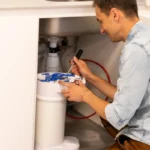
Choosing an effective water filtration system can be an essential step for ensuring safe water for your baby. Different systems target various contaminants, offering varied benefits depending on household needs.
Carbon filters are popular and can remove chlorine, certain metals, and unpleasant tastes. Reverse osmosis systems, on the other hand, provide more comprehensive filtration but are often more costly.
It’s crucial to match the filter type with specific contaminants identified in your water. Not all systems are equally effective against every impurity, so research and informed choices are vital for optimal water safety.
Boiling Water for Baby Consumption: When and How
Boiling tap water is a simple method to kill harmful microorganisms that might be present. It’s particularly useful when dealing with microbial contamination in tap water.
To ensure safety, bring the water to a rolling boil for at least one minute. After boiling, let it cool to a suitable temperature before using it for your baby. Remember, boiling is effective against pathogens but won’t remove chemical contaminants like lead or nitrates.
Bottled Water vs. Tap Water: Choosing the Best Option for Your Baby
Deciding between bottled and tap water for your baby requires understanding each option’s pros and cons. Bottled water offers convenience and a consistent quality, especially when traveling.
However, not all bottled water is suitable for babies. Some brands contain added minerals that might not be necessary or even ideal for infant health. Always check labels and opt for low-sodium options without added fluoride. Additionally, it’s important to remember that distilled water benefits for baby formula, as it is free from contaminants and minerals that could interfere with the delicate balance of nutrients. Many pediatricians recommend this type of water to ensure that your baby’s formula is both safe and effective. Ultimately, always consult with your healthcare provider to determine the best water choice for your little one. Choosing the right water is crucial in safeguarding your baby’s health, as it contributes significantly to the quality of their formula. In addition to distilled water, many parents explore other options like reverse osmosis water, which also removes impurities while retaining essential minerals. To make an informed decision, parents can research and discuss the best water types for baby formula with their pediatricians, ensuring the most suitable choice for their child’s nutritional needs.
On the other hand, tap water, if properly treated and filtered, can be a safe and cost-effective choice. It undergoes municipal treatment processes to meet safety standards set by regulatory agencies. Deciding on the best option often depends on the reliability of your local tap water and your access to information about its quality.
Lead Contamination: Prevention and Mitigation
Lead in tap water is a serious concern, particularly in older homes with aging pipes. Babies are highly susceptible to its harmful effects, which can impact their development and health.
To prevent exposure, test your water for lead, especially if your house was built before 1986. Consider using a certified filter designed to remove lead. Additionally, always use cold water for drinking or mixing formula, as hot water can leach more lead from pipes. Regularly clean faucet aerators to reduce sediment accumulation.
Practical Tips for Ensuring Safe Tap Water for Babies
Ensuring the tap water your baby consumes is safe is crucial. Start by obtaining a water quality report from your local utility. This report will outline any contaminants present and their levels.
If water quality issues are identified, consider using a point-of-use filter. Select one that’s certified to remove specific contaminants found in your water. Boiling water can also kill bacteria and parasites, though it won’t remove chemical pollutants.
To minimize risk, follow these steps:
- Flush taps by running water for 30 seconds before use.
- Avoid using hot tap water for baby formula.
- Regularly replace filter cartridges as needed.
- Store water in clean, safe containers.
Always consult with your healthcare provider if you’re concerned about water quality. They can offer guidance tailored to your baby’s health needs. Stay informed about local water advisories to ensure your baby’s safety.
Conclusion: Staying Informed and Proactive
Ensuring your baby’s water safety involves vigilance. Regularly check local advisories and consult experts to maintain confidence in water quality.
Share this on social media:
Facebook
Twitter
LinkedIn

Related Posts