Is Long Island Tap Water Safe to Drink?
- Published:
- Updated: February 17, 2025
Listen to this article
Summary
Long Island’s tap water is generally safe to drink, benefiting from a robust water management system. Despite challenges like agricultural runoff and emerging contaminants, stringent testing and treatment ensure its safety for residents.
- Water Quality Standards: Long Island’s tap water meets EPA and NYSDOH standards, with testing for contaminants like nitrates, VOCs, and emerging pollutants.
- Advanced Treatment: Water undergoes rigorous filtration, disinfection, and pH adjustment, with technologies like reverse osmosis to address complex contaminants.
- Public Awareness: Community education on water conservation and safe chemical use, along with practical measures like home filtration, helps safeguard water quality.

Ensuring the safety of drinking water is of paramount importance for public health. For residents of Long Island, the question often arises: is Long Island tap water safe to drink? This query is not just a fleeting concern but a critical issue that intertwines with environmental science, public policy, and health standards. In this article, we will delve into the safety of Long Island tap water, examining the factors that affect its quality and the measures in place to ensure its safety.
Understanding Safe Drinking Water Standards
To assess whether Long Island’s tap water is safe, it is essential to first comprehend the standards that define "safe" drinking water. The Environmental Protection Agency (EPA) sets the legal limits on over 90 contaminants in drinking water under the Safe Drinking Water Act. These limits are designed to protect public health by ensuring that water is free from harmful levels of contaminants such as bacteria, chemicals, and heavy metals. However, understanding these standards goes beyond simply knowing the acceptable levels; it involves recognizing the potential health implications of various contaminants, and how these standards are updated as new scientific evidence emerges.
The EPA’s regulations are complemented by state-specific guidelines that may impose even stricter limits to address local water quality challenges. In New York, the State Department of Health works in conjunction with local water authorities to tailor water quality standards to the unique geological and industrial landscape of regions like Long Island. This collaboration ensures that the local water supply is not only compliant with federal regulations but also responsive to regional environmental concerns and technological advancements in water treatment.
Key Contaminants in Drinking Water
In the context of Long Island, the primary concerns often revolve around contaminants such as nitrates, volatile organic compounds (VOCs), and emerging contaminants like pharmaceuticals and personal care products. Each of these poses unique challenges and requires specific testing methodologies to ensure compliance with safety standards. Understanding the sources and potential health effects of these contaminants is crucial for implementing effective water management practices. Additionally, the legacy of Long Island City’s industrial history has left a significant mark on the region’s water quality, as many former industrial sites continue to leach harmful substances into groundwater. Addressing these historical contamination issues is essential not only for current public health but also for the sustainability of local ecosystems. By integrating innovative remediation technologies and community awareness programs, stakeholders can work towards restoring water quality and safeguarding future generations.
- Nitrates: Predominantly originating from agricultural runoff and fertilizers, nitrates can lead to serious health issues, particularly in infants, causing conditions such as methemoglobinemia or "blue baby syndrome." Beyond agricultural sources, nitrates can also enter water supplies from septic systems and sewage treatment plants, highlighting the need for comprehensive management of both agricultural and urban waste.
- Volatile Organic Compounds (VOCs): These are chemicals that can easily become vapors or gases and often originate from industrial processes. Long-term exposure to certain VOCs can lead to chronic health effects. Industries such as manufacturing and dry cleaning are significant contributors, requiring targeted interventions to prevent their release into the water supply. Additionally, VOCs can also originate from household products, underscoring the importance of public education in minimizing their use and ensuring safe disposal.
- Emerging Contaminants: Pharmaceuticals and personal care products have increasingly been detected in water supplies, raising concerns about their long-term effects on human health and the environment. These substances enter the water system primarily through household waste, highlighting the need for improved waste management and public awareness about the environmental impact of everyday products. The challenge with emerging contaminants is that traditional water treatment processes are not always effective in removing them, necessitating research into advanced treatment technologies and the development of new regulatory frameworks.
Long Island's Water Quality Challenges
Long Island’s unique geology and dense population present specific challenges for maintaining water quality. The region relies heavily on its aquifers, which are underground layers of water-bearing rock, to supply its drinking water. These aquifers are susceptible to contamination from both natural and anthropogenic sources. Understanding these challenges is essential for developing effective water management strategies that protect public health and the environment.
Geographical and Environmental Factors
- Sandy Soils: Long Island’s sandy soils allow for rapid infiltration of water, which can lead to quicker contamination of groundwater sources compared to areas with more impermeable soils. This characteristic makes Long Island particularly vulnerable to pollutants from surface activities, necessitating careful monitoring and management of land use practices. The rapid movement of water through sandy soils also complicates efforts to remediate contaminated sites, as pollutants can spread quickly and widely.
- Proximity to Agriculture and Industry: The presence of agricultural activities contributes to nitrate levels, while industrial operations can introduce VOCs into the water supply. The interplay between agricultural and industrial land use and water quality highlights the need for integrated approaches to land and water management. This involves not only regulating emissions and runoff but also promoting sustainable practices among farmers and industry operators to minimize their environmental impact.
Human Impact and Urbanization
The island’s population density and urban development have exacerbated the potential for contamination. Septic systems, road runoff, and lawn fertilizers all contribute to the pollutant load in the aquifers, necessitating robust water management practices. Urbanization also increases the demand for water, placing additional stress on the aquifers and potentially leading to over-extraction and further quality degradation.
Urban expansion often leads to the replacement of natural landscapes with impervious surfaces, such as roads and buildings, which can increase surface runoff and reduce groundwater recharge. This change in land cover can exacerbate water quality issues, as pollutants are more likely to be washed into water bodies rather than being filtered through the soil. Addressing these challenges requires a holistic approach that considers the interactions between land use, water management, and urban planning.
Measures to Ensure Tap Water Safety
In response to these challenges, various measures are undertaken by water suppliers and regulatory bodies to ensure the safety of Long Island’s tap water. These efforts are multifaceted, involving regulatory oversight, technological innovation, and community engagement to address the complex factors affecting water quality.
Regulatory Oversight and Testing
The New York State Department of Health (NYSDOH) and local water authorities conduct regular testing and monitoring of water supplies. This rigorous testing regime aims to detect and mitigate the presence of contaminants before they reach consumers. By maintaining a comprehensive database of water quality data, authorities can identify trends and potential threats early, allowing for timely interventions to protect public health.
- Routine Monitoring: Includes testing for bacteria, nitrates, VOCs, and other regulated substances. Water quality testing is a continuous process, with samples taken at various points in the distribution system to ensure that water meets safety standards from the source to the tap. Advanced analytical techniques are employed to detect even trace levels of contaminants, providing a high level of assurance that the water supply is safe.
- Advanced Treatment Technologies: Water treatment facilities employ advanced technologies such as granular activated carbon filters and reverse osmosis to remove contaminants and ensure compliance with safety standards. These technologies are continually evolving, with ongoing research into new methods for removing emerging contaminants and improving the efficiency of existing processes. The adoption of innovative treatment solutions is crucial for addressing the growing complexity of water quality challenges.
Public Education and Awareness
Public education campaigns are crucial for informing residents about water safety and encouraging practices that protect water quality. These initiatives often focus on reducing the use of harmful chemicals and promoting proper disposal methods for pharmaceuticals and hazardous substances. By raising awareness about the impact of everyday activities on water quality, these campaigns empower individuals to make informed choices that contribute to the protection of the water supply.
Educational programs also emphasize the importance of water conservation, encouraging residents to adopt practices that reduce water waste and preserve the aquifers for future generations. Community engagement is a vital component of these efforts, with workshops, informational materials, and outreach events designed to foster a culture of stewardship and responsibility towards the environment.
Practical Advice for Long Island Residents
While regulatory bodies and water suppliers work diligently to ensure safe drinking water, residents can also play a role in maintaining water quality. By adopting simple yet effective measures, individuals can contribute to the protection of their local water supply and ensure their own health and safety.
Home Water Testing
Residents concerned about their tap water quality can conduct home water testing. Kits are available that test for common contaminants such as lead, nitrates, and pH levels. These kits provide a convenient and cost-effective way to monitor water quality, allowing homeowners to identify potential issues early and take corrective action if necessary.
For comprehensive analysis, hiring a certified laboratory to perform detailed testing is recommended. Professional testing can provide a more accurate assessment of water quality, including the detection of less common contaminants that may not be covered by standard home testing kits. This information can be invaluable for making informed decisions about water treatment and management.
Water Filtration Systems
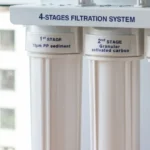
Installing a home water filtration system can provide an additional layer of protection. Systems range from simple carbon filters to complex reverse osmosis units, each varying in effectiveness depending on the types of contaminants present. Selecting the right system involves understanding the specific water quality challenges in the area and choosing a solution that addresses those issues effectively.
Investing in a quality filtration system can offer peace of mind, particularly for households with vulnerable members such as infants or the elderly. Regular maintenance and replacement of filter components are essential to ensure the continued effectiveness of the system and to prevent any buildup of contaminants.
Advocacy and Participation
Engaging with local water authorities and participating in community meetings can empower residents to voice their concerns and stay informed about water quality issues and developments. Active participation in local water governance can help shape policies and initiatives that reflect the community’s needs and priorities.
Residents can also advocate for stronger environmental protections and support initiatives aimed at reducing pollution and promoting sustainable water management practices. By working together, communities can drive meaningful change and ensure the long-term safety and sustainability of their water supply.
Conclusion
In conclusion, while Long Island faces unique challenges in maintaining tap water safety, the concerted efforts of regulatory bodies, water suppliers, and informed residents contribute to ensuring that the water remains safe to drink. By understanding the factors affecting water quality and the measures in place to address them, Long Islanders can have confidence in their tap water. Nevertheless, staying informed and proactive is key to safeguarding this vital resource for future generations.
The safety of drinking water is a shared responsibility that requires ongoing commitment and vigilance. As we continue to face new environmental challenges, it is crucial to adapt and strengthen our approaches to water quality management, ensuring that Long Island’s tap water remains a safe and reliable resource for all. Continuous research, innovation, and community engagement are essential to meet the evolving demands of water safety and environmental stewardship.
Share this on social media:
Facebook
Twitter
LinkedIn

Related Posts