Overview of Tap Water Quality in Malaysia
In Malaysia, tap water is treated to ensure it’s safe for drinking. This involves filtration, sedimentation, and disinfection to remove impurities and harmful microorganisms. The National Water Services Commission (SPAN) regulates and monitors tap water quality, adhering to international standards.
Varying Water Quality Across Regions
Water quality in Malaysia varies by region. Urban areas have better water treatment facilities than rural areas. Aging infrastructure, environmental pollution, and poor maintenance can harm water quality.
- Over 143 million people in the U.S. are drinking water contaminated with PFAS (per- and polyfluoroalkyl substances).
- Drinking water across the U.S. contains volatile organic compounds, nitrates, and arsenic, among other contaminants, present in nearly all community water systems.
- The Environmental Working Group (EWG) identified 324 contaminants in drinking water across nearly 50,000 water systems from 2021 to 2023.
Role of National Water Services Commission (SPAN)
The National Water Services Commission (SPAN) oversees water quality standards in Malaysia. It works with water treatment plants to ensure water quality meets standards. SPAN monitors water sources and tests for contaminants like heavy metals and chemicals.
In 2024, the Biden EPA introduced drinking water standards for six PFAS. The Environmental Working Group (EWG) sees this as a step but believes more is needed to protect public health.
Water Treatment Processes in Malaysia
In Malaysia, tap water undergoes various treatment processes to ensure its safety and quality. The Ministry of Health has set strict standards for municipal water treatment and disinfection. These processes aim to remove impurities, sediments, and harmful microorganisms from the water supply.
Filtration and Sedimentation
Filtration and sedimentation are key steps in water treatment. Water passes through layers of sand, gravel, and charcoal to remove suspended particles. This includes sand, silt, and other sediments that can deteriorate water quality and harbor pathogens. Sedimentation allows heavier particles to settle at the bottom of storage tanks, further clarifying the water.
Disinfection and Chlorination
Disinfection is critical for ensuring drinking water safety. In Malaysia, chlorine and chloramine are the primary disinfectants used. Chlorination effectively eliminates bacteria, viruses, and other pathogens. Yet, residual chlorine can sometimes cause an unpleasant taste and may have health effects if present in large amounts.
Factors Affecting Water Quality
Despite rigorous treatment processes, several factors can impact tap water quality in Malaysia. These include:
- Aging infrastructure, such as decaying pipes, which can introduce contaminants like lead and mercury into the water supply.
- Industrial pollution and agricultural runoff, leading to the presence of heavy metals and chemicals in water sources.
- Inadequate maintenance of water treatment systems, which is more common in rural areas with limited resources.
- Microbial contamination, which can occur due to poor sanitation and insufficient disinfection processes.
To mitigate these factors, water authorities in Malaysia continuously monitor and regulate water quality. They issue advisories regarding water supply disruptions and contamination incidents. Consumers can also take proactive measures to ensure safe drinking water. This includes using water filtration systems or opting for bottled water from reputable brands.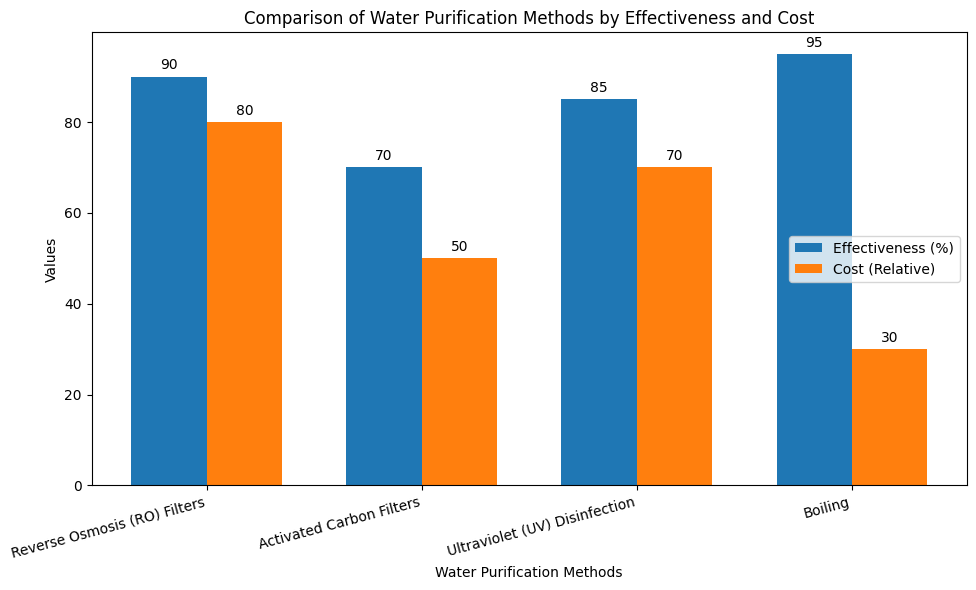
Water Purification Method | Effectiveness | Cost |
Reverse Osmosis (RO) Filters | High (removes heavy metals, bacteria, viruses) | Moderate to High |
Activated Carbon Filters | Moderate (reduces chlorine, improves taste) | Low to Moderate |
Ultraviolet (UV) Disinfection | High (inactivates microorganisms) | Moderate |
Boiling | High (kills harmful microorganisms) | Low |
By understanding the water treatment processes and the factors affecting water quality, Malaysians can take informed steps. This ensures safe and clean drinking water in their homes and workplaces. It reduces the risks associated with water pollution in Malaysia.
Potential Contaminants in Malaysian Tap Water
Malaysia has made significant strides in improving its water treatment facilities, mainly in urban areas. Yet, the presence of contaminants in tap water remains a concern. The National Water Services Commission (SPAN) oversees water quality standards and regulations. Despite this, the risk of water contamination in Malaysia persists due to various factors.
Common contaminants found in Malaysian tap water include:
Heavy Metals
Heavy metals like lead, arsenic, and mercury can enter water sources through industrial activities, mining, and agricultural runoff. These contaminants pose serious health risks, mainly to children and pregnant women. Reverse osmosis (RO) water filters, nano filtration, and Disruptor filtration technologies effectively remove heavy metals while preserving beneficial minerals.
Microorganisms
Despite chlorination and other disinfection methods, microbial contaminants like bacteria, viruses, and protozoa may be present in tap water. This is more common in areas with inadequate sanitation infrastructure. Boiling tap water for at least one minute can kill harmful microorganisms and pathogens. It’s important to note that bottled water is not immune to contamination, with a 2018 study finding 93% of 259 bottled waters tested contained microplastics. A 2024 study reported an average of 240,000 tiny pieces of plastic per litre.
Chemicals
Chemical contaminants from agricultural pesticides, industrial chemicals, and household pollutants can leach into water sources. A recent study in Putrajaya detected pharmaceutical residue concentrations up to 0.38 ng/L. Caffeine was the highest, and diclofenac the lowest. These contaminants can have adverse effects on human health, including disrupting the endocrine system and causing reproductive disorders. Active ingredients in pharmaceuticals can be toxic to human cells and organs, even at low concentrations.
To ensure safe tap water consumption, consumers should opt for reputable bottled water brands labeled as "mineral water" or "drinking water." These undergo stringent filtration and purification processes. Regular monitoring of water quality reports and advisories from local authorities is also recommended. By staying vigilant and adopting appropriate water testing and treatment methods, Malaysians can minimize the risks associated with these contaminants in their tap water.
Health Risks Associated with Contaminated Water
Drinking contaminated tap water can lead to serious health issues, mainly when done over a long time. Heavy metals like arsenic are among the most dangerous contaminants. A study in Tehran, involving 67 residents from 5 villages over a 3-week period in November 2022, found alarming arsenic levels in blood, nail, hair, and water samples:
Sample Type | Percentage Exceeding Arsenic Standard |
Blood | 47.8% |
Nails | 22.4% |
Hair | 13.4% |
Water | 67.2% |
The study found an average arsenic concentration in blood of 4.19 μg/l, exceeding the ATSDR standard by about 4 times. The Hazard Quotient (HQ) and Carcinogenic Risk (CR) indices for arsenic in drinking water showed daily intake levels above safe thresholds. Children and pregnant women are most at risk, facing developmental issues and other health problems due to heavy metal exposure.
Microorganisms like bacteria, viruses, and protozoa are also a major concern in areas with poor sanitation. These waterborne illnesses can cause gastrointestinal problems, including diarrhea, vomiting, and abdominal pain. In severe cases, they can lead to dehydration and death, affecting vulnerable groups like infants and the elderly.
Chemical contaminants in tap water also pose water contamination health risks. Exposure to these substances can lead to various health problems, from skin irritation to cancer. For instance, a study in Abakaliki, Nigeria, found high levels of heavy metals in groundwater, including Pb2+ (11.42 mg/L), As (4.13 mg/L), Se2+ (2.68 mg/L), Cd2+ (15.67 mg/L), and Hg2+ (2.60 mg/L). Another study in Kaduna State, Nigeria, showed that 30% of groundwater was unfit for drinking due to chemical contamination.
To reduce the risks of unsafe drinking water, it’s vital to stay informed about water quality in your area. Use water filters, boil water, or buy bottled water from trusted sources. Regular water testing can also help identify contaminants and ensure water safety.
Ensuring Safe Tap Water Consumption
In Malaysia, while water infrastructure has improved, it’s vital for individuals to take steps to ensure their drinking water is safe. By using water filtration systems, boiling, and buying bottled water, people can enjoy safe drinking water. This approach helps reduce the risk of waterborne illnesses.
Using Water Filters
Using certified water filtration systems is a key way to ensure safe drinking water in Malaysia. Systems like reverse osmosis (RO), nano filtration, and disruptor filtration can remove contaminants. Look for products that meet international standards and have been tested by reputable organizations.
Boiling Water
Boiling water is a simple yet effective method to kill harmful microorganisms. To boil water properly, bring it to a rolling boil for at least one minute. Then, let it cool before drinking. This method is useful during water supply disruptions or when traveling to areas with questionable water quality.
Purchasing Bottled Water
Purchasing bottled water from reputable brands is another way to ensure safe drinking water in Malaysia. Look for labels that say "mineral water" or "drinking water" and check for Ministry of Health certification. While bottled water is safe, it’s not a long-term solution and contributes to plastic waste.
Staying Informed about Water Quality Issues
To keep your drinking water safe, stay informed about local water quality reports and advisories. Check the websites of your local water authority, the Ministry of Health, and SPAN regularly. This way, you can protect yourself and your family from contaminated water risks.
Study on Drinking Water Quality at Air Kuning Treatment Plant, Perak
A recent study at the Air Kuning Treatment Plant in Perak, Malaysia, has revealed insights into the region’s drinking water quality. It aimed to evaluate the water’s physical, microbiological, and chemical aspects. The research classified each site based on the National Drinking Water Standards (NDWQS). It also analyzed spatial variations using principal component analysis (PCA).
The study conducted a sanitary survey at 14 sampling points, from intake to auxiliary areas. Water samples underwent thorough water quality testing, both in situ and in the lab, following APHA procedures. The examined parameters included:
- pH
- Turbidity
- Chlorine
- Escherichia coli
- Total coliform
- Total hardness
- Iron (Fe)
- Aluminium (Al)
- Zinc (Zn)
- Magnesium (Mg)
- Sodium (Na)
Objectives and Methodology
The main goal of this drinking water quality study was to check if the treated water meets the NDWQS. It aimed to identify any concerns. The study collected water samples from various points in the water treatment plant in Malaysia, including intake, treatment, and distribution.
The study used field measurements and lab analyses to assess water quality. Field tests were done with portable instruments. Lab tests followed standard protocols for accuracy and reliability.
Physical, Microbiological, and Chemical Parameters Examined
The study focused on physical, microbiological, and chemical aspects of water quality. Physical parameters like pH and turbidity showed the water’s aesthetic quality and safety. Microbiological parameters, such as E. coli and total coliform, indicated possible contamination.
Chemical analysis looked at elements and compounds like iron, aluminium, zinc, magnesium, and sodium. These were chosen for their health impact and water quality.
Parameter | Compliance Rate |
Overall Water Quality | 95% |
Turbidity (0.5-1.5 NTU) | 100% |
Residual Chlorine (>0.5 mg/L) | 80% |
The study found that most water samples met the NDWQS, but some contaminants exceeded limits. These results highlight the need for ongoing monitoring and proactive measures. They ensure safe drinking water for the Air Kuning Treatment Plant’s population.
Results and Findings of the Air Kuning Treatment Plant Study
The Air Kuning Treatment Plant Study, conducted by the Perak Water Board (PWB), aimed to assess the drinking water quality and compliance with the National Drinking Water Standards (NDWQS). It involved collecting water samples from 14 points, totaling 42 samples. These samples were analyzed for various physical, microbiological, and chemical parameters.
The PWB manages 47 water treatment facilities, producing 1,774 million liters daily. Currently, 1,081 million liters are produced, with 100% going to urban areas and 98% to rural ones. This highlights the vast reach and importance of ensuring safe drinking water standards compliance.
Compliance with National Drinking Water Standards (NDWQS)
The drinking water quality study results showed most parameters within safe NDWQS limits. The mean pH value was 7.19 (SD: 0.18), within the 6.5 to 9.0 range. The mean turbidity was 3.11 (SD: 0.89), below the 5 NTU limit for drinking water.
Yet, two parameters exceeded NDWQS limits: total coliform and iron (Fe). The highest total coliform count, >16,000 MPN/100 mL, was at sampling point A4. This indicates microbiological contamination. The mean iron concentration was 0.36 (SD: 0.31), exceeding the limit.
Factors Contributing to Drinking Water Contamination
Principal Component Analysis (PCA) identified several water contamination factors. These included turbidity, total coliform, E. coli, sodium (Na), and aluminum (Al). These factors contributed to the contamination in the river water intake.
Parameter | Mean Value | Standard Deviation (SD) |
Free Residual Chlorine | 1.04 | 1.25 |
Total Hardness | 9.29 | 4.84 |
Zinc (Zn) | 0.03 | 0.03 |
Magnesium (Mg) | 0.70 | 0.11 |
Despite these findings, the study concluded that treated water from all stations was safe for drinking. The PWB’s management and distribution efforts ensure tap water safety in the region.
Importance of Evaluating Drinking Water Quality
Evaluating drinking water quality is key to protecting public health and ensuring access to safe water. Drinking water quality evaluation helps identify contaminants and assess treatment processes. Regular monitoring allows treatment plants to quickly address issues, preventing contaminated water from reaching consumers.
Testing for per- and polyfluoroalkyl substances (PFAS) is a critical part of water safety monitoring. These synthetic chemicals, used in many products, contaminate water sources. The table below shows PFAS levels in different water types:
Water Type | PFAS Concentration Range (ng/L) |
Groundwater | 20 – 20,000 |
Well Water | 11 – 23 |
Drinking Water | 0.4 – 40 |
Landfill Leachate | 5.1 – 298,559 |
Wastewater Influent | 3 – 430 |
Wastewater Effluent | 6 – 500 |
To tackle PFAS risks, regulatory bodies have set guidelines. The U.S. Environmental Protection Agency (EPA) has a drinking water health advisory level for PFOA and PFOS. The EPA also has maximum contaminant levels for other PFAS, from 4.0 to 10.0 parts per trillion.
Public health protection also means monitoring other water quality factors. Hardness, for example, is measured in mg/L of calcium carbonate (CaCO3). The World Health Organization suggests keeping CaCO3 levels below 180 mg/L. In China, national standards require total hardness to be ≤ 450 mg/L CaCO3.
Through thorough drinking water quality evaluations and strong water safety monitoring, treatment plants can prevent health risks. This ensures safe and clean drinking water for everyone. Such proactive water quality management is vital for public health and environmental protection.
Global Perspective: Best and Worst Countries for Tap Water
Traveling internationally requires knowledge of tap water safety. Some countries have pristine water and advanced treatment, while others face contamination and infrastructure issues. These pose health risks to both locals and visitors.
Countries with the Safest Tap Water
Several nations are known for their high-quality tap water. This is due to strict regulations, modern treatment facilities, and abundant natural water sources. The safest drinking water countries include:
- Iceland
- Norway
- Switzerland
- Finland
- Canada
- New Zealand
- Singapore
- Germany
- Netherlands
- Sweden
In these countries, tap water is safe to drink without concern for contaminants or health risks. Their dedication to environmental protection and public health guarantees a steady supply of clean water.
Countries with Unsafe Tap Water
Several countries face challenges with their tap water due to pollution, inadequate treatment, and old infrastructure. Drinking tap water in these places can lead to infections, parasitic diseases, and exposure to harmful chemicals. Countries with high tap water risks include:
- India
- Mexico
- Nigeria
- Pakistan
- Bangladesh
- Egypt
- Brazil
- China
- Russia
- Indonesia
Travelers to these countries should take precautions like boiling water, using filters or purifiers, or sticking to bottled water. Knowing about local water quality and following health advice can help avoid waterborne illnesses.
Country | Population Exposed to PFAS in Drinking Water (millions) |
United States | 143 |
Brazil | 25 |
China | 100 |
India | 50 |
Note: The data presented in the table is for illustrative purposes only and may not reflect the most current figures.
Preparing for International Travel: Water Safety Considerations
International travel necessitates prioritizing water safety to safeguard your health. Researching the water quality at your destination is essential. In some areas, tap water is unsafe due to contaminants like bacteria, viruses, and chemicals. Drinking contaminated water can cause serious health issues, including gastrointestinal infections and diseases like cholera and typhoid fever.
To guarantee safe drinking water for travelers, packing the right tools for water purification is critical. This may include portable water filters, purification tablets, or a combination of both. Treating your water before drinking it can significantly lower the risk of waterborne illnesses. It’s important to note that even if locals drink tap water, your body might not be immune to local microorganisms, making you more prone to illness.
For international travel water safety, it’s wise to avoid tap water in countries with questionable quality. Instead, choose bottled water from trusted sources or use your purification methods. Be cautious of ice cubes, as they might be made from untreated tap water. Also, be mindful of raw fruits and vegetables, as they could have been washed in contaminated water.
Country | Tap Water Safety | Recommended Water Source |
United States | Generally safe | Tap water |
Mexico | Unsafe | Bottled water |
Thailand | Unsafe | Bottled water or purified water |
Germany | Safe | Tap water |
India | Unsafe | Bottled water or purified water |
As part of your travel health precautions, consulting a healthcare professional before your trip is wise. They can offer tailored advice based on your health history and the specific risks of your destination. They might also recommend vaccinations or medications to protect you from waterborne illnesses.
By taking proactive steps to ensure safe drinking water and practicing good hygiene, you can reduce the risk of illness during your travels. Stay informed, be prepared, and enjoy your adventures with confidence.
Water Filtration and Purification Methods for Travelers
Embarking on international adventures requires access to safe drinking water. Tap water in many regions harbors harmful contaminants like bacteria, viruses, and parasites. These can lead to severe illnesses. Fortunately, travel water filters and portable water purifiers provide effective solutions for travelers. They aim to protect health and well-being.
The Grayl GeoPress is a powerful purification system. It transforms 710ml of water in under 10 seconds. Each filter can purify up to 250 liters before needing replacement. For those preferring a more compact option, the Grayl UltraPress is ideal. It has a 500ml capacity and a filter lifespan of 150 liters.
UV-C light treatment is another effective water purification method. The LARQ Movement PureVis bottle, holding up to 950ml, uses UV-C light to eliminate 99% of bacteria and viruses. Its battery lasts about one month with regular use and two weeks in "Adventure Mode." UV water treatment systems can eradicate up to 99.99% of harmful microorganisms, operating at a wavelength of approximately 254 nanometers.
Travel Water Filter | Capacity | Filter Lifespan |
Grayl GeoPress | 710ml | 250 liters |
Grayl UltraPress | 500ml | 150 liters |
Water To Go 75cl | 750ml | 200 liters |
LARQ Movement PureVis | 950ml | N/A (UV-C light) |
Investing in a portable water purifier safeguards health and offers significant financial benefits. Travelers can save over 90% on water costs by using a filtered water bottle instead of bottled water. These savings can extend travel durations and afford better accommodations.
When choosing a travel water filter or purifier, consider contaminant removal capabilities, filter lifespan, and portability. By making an informed choice and utilizing these innovative water purification methods, travelers can confidently explore the world. They can maintain optimal hydration and well-being.
Distinguishing Between Water Filters and Purifiers
Ensuring safe drinking water while traveling requires understanding the difference between water filters and purifiers. Both improve water quality but target different contaminants. Let’s explore their distinctions and the role of purification methods in keeping your water safe.
Effectiveness of Filters
Water filters remove larger particles and contaminants, such as dirt and Giardia lamblia cysts. They also filter out bacteria like Cholera. Yet, most filters are not effective against viruses due to their small size. The eSpring Water Purifier, for instance, can remove over 170 contaminants and capture particles as small as 0.2 microns, which is 300 times smaller than a human hair strand.
Contaminant | eSpring Water Purifier Effectiveness |
Bacteria | Neutralizes up to 99.9999% |
Viruses | Neutralizes up to 99.99% |
Waterborne Cysts | Neutralizes up to 99.9% |
Purification Methods: Boiling, UV Light, and Chemical Treatments
To combat viruses and other microorganisms missed by filters, purification techniques are essential. Boiling water effectively kills pathogens by destroying them at high temperatures. UV light treatment, like the advanced UV-C LED in the eSpring Water Purifier, can neutralize up to 99.9999% of bacteria, 99.99% of viruses, and 99.9% of waterborne cysts. Chemical treatments, including chlorine and iodine, also kill microorganisms, purifying water.
For maximum safety, combining water filtration and purification methods is advised, even more so when traveling to areas with questionable water quality. The eSpring Water Purifier combines advanced filtration with UV-C LED technology, ensuring protection against a wide range of contaminants. Its Bluetooth and Wi-Fi connectivity enable easy monitoring of water usage and filter replacement notifications.
Steps to Take if Falling Ill from Drinking Unsafe Water
Traveling to new destinations can expose you to various health risks, including waterborne illnesses. The Centers for Disease Control and Prevention report that traveler’s diarrhea affects 30-70% of travelers. This makes it the most common illness among travelers. If you fall ill after drinking unsafe water, it’s vital to act quickly for a speedy travel health recovery.
Recognizing Symptoms of Waterborne Illnesses
Identifying common waterborne illness symptoms is the first step. These symptoms include:
- Diarrhea
- Stomach cramps
- Nausea
- Vomiting
- Fever
Symptoms usually start within the first week of travel and can last three to five days without treatment. It’s important to watch your symptoms closely and seek medical help if they don’t improve or get worse.
Staying Hydrated and Seeking Medical Attention
Hydration is key when fighting waterborne illnesses. Drink boiled water or factory-sealed bottled water to replace lost fluids and electrolytes. Using oral rehydration solutions (ORS) or electrolyte packets can help replenish essential minerals. If symptoms continue or get worse, get medical help right away.
Symptom Duration | Recommended Action |
1-2 days | Stay hydrated, rest, and monitor symptoms |
3-5 days | Consult a healthcare professional, consider antibiotics |
More than 5 days | Seek immediate medical attention |
Using Probiotics for Recovery
After recovering from a waterborne illness, your gut flora may be out of balance. To help restore a healthy gut microbiome, consider using probiotics for gut health. Probiotics are found in fermented foods like yogurt with live cultures or probiotic supplements. These beneficial bacteria support digestive health and boost your immune system after recovery.
"Probiotics have been shown to reduce the risk and duration of traveler’s diarrhea, as well as aid in the recovery process by restoring beneficial gut bacteria." – Dr. Mark Pimentel, Director of the Gastrointestinal Motility Program at Cedars-Sinai Medical Center
By recognizing waterborne illness symptoms, staying hydrated, seeking medical attention when necessary, and supporting gut health with probiotics, you can take proactive steps towards a swift travel health recovery if you fall ill from drinking unsafe water.
The Importance of Medical Advisory Services for Travelers
Traveling abroad requires reliable travel medical advice and travel health services for a safe and healthy trip. Global medical assistance providers, like Global Rescue, offer critical support. They answer questions and provide guidance for various health concerns.
Reaching out to a medical advisory service can be a lifesaver. It helps determine if symptoms are minor or require urgent care. These services are accessible through email, phone, and mobile apps. This ensures travelers can get help whenever and wherever they need it.
Medical advice is vital, as motor vehicle crashes are a leading cause of death for healthy US citizens abroad. Also, food and water safety standards vary globally, impacting health risks. Travelers must be aware of region-specific concerns, like malaria in certain Philippines areas. They should fill prescriptions before leaving.
Travel Health Concern | Key Considerations |
Insect-borne diseases | Use insect repellent with at least 20% DEET for protection against ticks and mosquitoes |
Waterborne infections | Avoid swimming in unchlorinated water due to risks of schistosomiasis and leptospirosis |
Food and water safety | Wash hands frequently, and use hand sanitizers with at least 60% alcohol when soap and water are unavailable |
Sun protection | Use sunscreen with an SPF of at least 15 to protect against UV radiation |
Animal bites | Seek immediate medical attention due to the risk of rabies, which is fatal without prompt treatment |
Travelers should also consider travel health and medical evacuation insurance. Having local doctors’ and hospitals’ contact information ready is essential for emergencies. By focusing on medical advisory services and proactive health measures, travelers can reduce risks and enjoy a safer, more enjoyable trip.
Navigating the Global Landscape of Drinking Water Safety
Embarking on international travel requires a deep understanding of drinking water safety worldwide. Countries like Finland, Germany, and Switzerland lead with perfect scores of 100.0. In contrast, Chad, Nigeria, and Madagascar struggle with scores of 4.4, 14.3, and 12.9, respectively. It’s vital for travelers to recognize these differences and take steps to stay hydrated safely.
Travel health precautions are key, given the scarcity of clean drinking water in many areas. In Sub-Saharan Africa, over half the population lacks access to safe water. Drought has dried up 90% of water boreholes in affected regions. Travelers should research their destinations and consider using water filters, purification tablets, or bottled water to avoid contaminated water risks.
Staying updated on global drinking water safety is a continuous task. Travelers should consult government advisories and health organizations for the latest on water quality. By being proactive and informed, travelers can confidently navigate the drinking water safety landscape, ensuring a healthy and enjoyable trip.
Remember, staying hydrated is essential for your health and travel enjoyment. Yet, it’s equally critical to be cautious about the water you drink. By understanding global water challenges, taking precautions, and staying informed, you can reduce risks and make the most of your international travels.
FAQ
Is tap water in Malaysia safe to drink?
Tap water safety in Malaysia varies by region and state. Urban areas often have better water treatment and quality. Yet, rural areas may have less consistent water quality. It’s wise to use water filters, boil water, or buy bottled water for safe drinking.
What contaminants can be found in Malaysian tap water?
Malaysian tap water may contain heavy metals like lead, arsenic, and mercury. It can also have microorganisms and chemicals from pesticides, industries, and homes. These contaminants can be harmful, posing serious health risks with long-term exposure.
How can I ensure safe tap water consumption in Malaysia?
For safe tap water, use water filters that meet international standards. Boiling water for a minute can kill harmful microbes. Buying bottled water from reputable brands is also a good option. Stay updated on local water quality reports and advisories.
What are the health risks associated with contaminated tap water?
Drinking contaminated tap water can cause gastrointestinal infections and parasitic diseases. It can also expose you to harmful chemicals. Heavy metals are dangerous, posing a high risk to children and pregnant women.
What should I do if I fall ill from drinking unsafe water while traveling?
If you get sick from unsafe water, drink oral rehydration solutions or electrolyte packets to stay hydrated. Seek medical help if symptoms get worse. Taking probiotics can help restore gut health after recovery. For advice, contact a medical advisory service like Global Rescue.
What are the best methods for filtering and purifying water while traveling?
Portable water filters can remove protozoan cysts, bacteria, and sediments. Water purifiers can tackle viruses too small for most filters. You can use chemicals, boil water, or UV light for purification. Using both filters and purifiers is safest.
How can I find out if the tap water is safe to drink in my travel destination?
Research your travel destination’s water safety before you go. Countries like Iceland and Switzerland have safe drinking water. But places like India and Nigeria have risks due to contaminated water. Check travel guides, government sites, and health organizations for the latest on water quality.