Managing Water for Sustainable Development: The Role of Water Management
- Published:
- Updated: November 21, 2024
Listen to this article
Summary
Water management is crucial for sustainable development, ensuring efficient use of this vital resource. Key points:
- Understanding Water Management: It involves practices like supply systems, treatment, and conservation.
- Importance for Sustainable Development: Water is essential for agriculture, energy, industry, and human health.
- Challenges and Solutions: Addressing issues like climate change, population growth, water scarcity, pollution, and conflicts requires innovative technologies and best practices.

Water is a scarce resource that can not be sourced quickly and sustainably. It is an essential ingredient in agriculture, industry, energy generation and homes. Water is becoming more and more scarce in many areas, and its control more important. Water management has to make sure that this precious resource is used well and sustainably, and that different interests are met.
Introduction to Water Management
Water management is the management practices or processes for water use and protection. These might be water treatment and distribution, water supply and distribution, water conservation and protection. The aim of water management is to coordinate needs among all stakeholders (environment, communities, industries), and also to make sure water is effectively and sustainably used.
The Importance of Water Management for Sustainable Development

Sustainable development is development that addresses needs of the present without undermining the capacity of the future to satisfy their own. Water management is a prerequisite for sustainable development because water is important for a large range of activities: agriculture, energy, industry and human health.
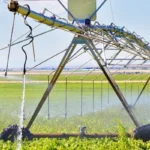
Agriculture requires water and water use is the key to food security. There is irrigation – for instance, which could boost crop yields and minimise water waste. Poor irrigation systems, on the other hand, can waste water and degrade soil. Water could be used to produce foods more sustainably through irrigation and other water-saving technologies that make farming more sustainable for food security and economic growth.
There is also water input to produce energy, such as hydropower, heat power and biofuels. Good water use will ensure energy supply is sustainable and water resources are not pumped over the edge. Especially, hydroelectric power generation takes a lot of water and water management is essential to making sure that water is being used efficiently and sustainably in this industry.
Water is involved in every industry – manufacturing, mining, oil and gas production. With water, we can avoid water consumption and industrial processes be sustainable. For instance, water recycling and reuse could be put in place by businesses so that less fresh water is required and water resources live longer.
Human life depends on healthy water, and good water management can be a way of making sure that water supplies aren’t depleted and populations have access to potable water. Water Management is one way in which this human right can be assured, and in support of human health and wellbeing.
What are the Challenges in Water Management?
Water management despite its significance is not without problems, such as:
Climate change: Because of climate change, the rainfall will vary, and water availability and quality may also differ. Furthermore, flooding and erosion caused by sea-level rise and increased storminess can affect water supplies and infrastructure. We are all affected by climate change, and water needs to be effectively managed in a way that keeps the water available and uses it as it is necessary.
population increases: the more people in the world, the more water they need. This can overtax water supplies and makes it harder to manage multiple interests. And population can also increase water pollution, as there are more humans and hence, more garbage and pollution. The water needs to be managed effectively so that the water is used appropriately even as the population increases and water needs continue to grow.
Lack of Water: In most areas, water is scarce and water needs to be managed in a sustainable way to use the limited resource. Water scarcity in some places comes from drought, overexploitation of the groundwater, and climate change. In these areas, water management must be managed to make sure water is effectively used and that people have access to clean water.
Water pollution: Water contamination is a big issue in many areas and we must have good water management to make sure the water resources are well protected and the population has clean drinking water. : water contamination can come from many sources, from industrial pollutants to agricultural runoff and sewage. We must also manage water wisely to minimise water pollution, safeguard water supplies and make sure people have safe drinking water.
Water wars: In many places water is in short supply and conflicts can break out regarding the consumption and treatment of it. Violence is possible among different communities, among different professions (agriculture and industry), and between countries. Water needs to be managed well to sort these disputes out and make sure that water is used wisely. Stakeholder consultations, water rights clarification, mediations and the like can all be practiced.
Addressing Water Scarcity through Innovative Technologies
There are a number of water shortage problems in many areas and innovative technologies can help with this. Desalination plants, for instance, convert seawater to fresh water, and deliver water where fresh water is in short supply. Besides, precision irrigation and drip irrigation can cut water loss and yields. Water management can be made to help preserve the life of water and support sustainable development with new technologies.
What are the Best Practices in Water Management?
Best practice water management can assist in making the most out of water resources. These best practices are among others:
Integrated water resources management (IWRM): IWRM is integrated water management in which water resources are managed in a holistic manner by coordinating across different sectors and stakeholders. IWRM understands that water resources are complex and that water management must involve a variety of parties: state agencies, communities, private entities. The integrated view means that IWRM can be used to reconcile interests and repurpose water resources in sustainable ways.
Conservation and Efficiency: Water conservation and Efficiency can also be applied to conserve and reuse the water resources. It can be the planting of drought-tolerant crops, better irrigation systems, and water conservation technology. Water conservation and efficacy can also contribute to the sustainability of water resources through less water waste.
Reuse and recycle of water: Reuse and recycle of water can reduce the waste of water and sustain water resources. It can be greywater reuse, rainwater harvesting and industrial water reuse. In recycling water, individuals and companies save fresh water, and help to preserve water resources.
Water pollution control: Water pollution control could be effective in protecting water and making people have drinking water. It can be wastewater treatment, stormwater management and water quality control. Water pollution can be regulated, and by regulating it communities and industries can maintain water supply and make water suitable for human use and consumption.
Stakeholder negotiation: Water management will have to be done in partnership with various stakeholders, and stakingholder negotiation and conflict resolution are both ways to settle disputes and sustain water use. These can be practices like stakeholder consultations, water rights clarification, mediation. Stakeholder engagement and dispute resolution are also key water management tools to make sure water is not being abused, and different stakeholder needs are accommodated.
The Role of Public-Private Partnerships in Water Management
PPPs can be very effective for managing water, where governments combine the resources and knowhow of government departments with private companies to enable sustainable use of water. For instance, PPPs can be implemented for water conservation and efficiency projects, water reuse and recycling facilities, and water pollution control facilities. In collaboration with the private sector, government institutions can bring the knowhow and resources of the private sector to the service of water efficiency and economic growth.
The Importance of Education and Awareness in Water Management
Water management is also a matter of education and awareness, educating citizens on water use and sustainability. These can be education and awareness efforts, training programs for communities, government departments and private companies. If you are educated and inform people about how to use water, the community will become more active in water management and may ensure that water resources are being used properly. Moreover, training courses can also help establish communities and institutions with the capacity to regulate water and promote sustainable development.
Share this on social media:
Facebook
Twitter
LinkedIn

Related Posts