
Understanding Local Drinking Water Regulations
Local and federal agencies play a key role in managing Nassau County’s drinking water standards. The Environmental Protection Agency sets benchmarks for contaminants like chromium (hexavalent) and 1,2,3-Trichloropropane. State officials then reinforce these rules by overseeing testing schedules and ensuring compliance with health-based limits.
Community water suppliers work together to maintain strict oversight. Each district tests chemical levels and publishes clear consumer reports. Regular reviews protect residents from excessive exposure to unsafe substances. The deep roots in Long Island aquifers highlight the shared responsibility for groundwater protection.
Regulators aim to balance science-based guidelines with transparent reporting. They require immediate action when readings near or exceed set thresholds. This vigilance allows operators to correct issues before they affect public health. For more details on local initiatives, visit this resource on Nassau County water.
These regulations form a vital framework that shields drinking water from unintended risks. The continual monitoring helps safeguard Long Island aquifers, ensuring safe and clean tap water for homes across Nassau County.
Primary Sources of Water in Nassau County
Nassau County depends on several underground reservoirs for its water supply. The Magothy aquifer is the primary source, providing close to 90% of the total supply.
Located deep beneath the earth, the Magothy aquifer is shielded by layers of soil and rock. The Lloyd and Upper Glacial aquifers play smaller but significant roles, supporting the system during peak demand. Rainfall and snowmelt replenish these aquifers, maintaining a delicate balance.
Surface Water Distribution
Rivers and streams contribute a small portion of the water in some areas. Many residents rely on underground sources. Yet, surface collection points help meet overall needs. Treatment facilities are in place to ensure the water is safe for consumption, reducing contamination risks.
Groundwater Significance
The Magothy aquifer is a vital resource. Its layers act as natural filters, preserving water quality. Rain and snowmelt recharge the aquifer, filling its porous zones.
Public and Private Wells
Public wells are managed by local districts, which regularly test and maintain them. Homeowners with private wells also conduct their own tests. This proactive approach ensures water quality and supports sustainable water use.
Nassau County Water Quality: An Overview
Residents rely on safe water for their daily needs. Efforts to ensure drinking water purity have grown, showing the dedication of public utilities and local agencies.
Technological advancements have introduced solutions like granular activated carbon and reverse osmosis. These address lead, 1,2,3-Trichloropropane, and other harmful chemicals. Operators frequently use standard treatments to protect tap water from metals and pathogens.
Common Treatment Methods
Filtration blocks particles and sediment. Coagulation and sedimentation remove larger debris. These steps, combined with chlorination or advanced disinfection, manage microbial risks. Some providers add extra layers, such as activated carbon appliances, following the Environmental Protection Agency’s public health guidelines.
Monitoring Initiatives
Regular sampling and extensive testing track ongoing threats, including PFAS contamination. Water providers share findings in consumer confidence reports. This transparency reassures residents who stay updated through official channels and public briefings.
Common Contaminants and Their Risks
Studies in local areas show that lead, PFAS, 1,2,3-Trichloropropane, chloroform, and chromium (hexavalent) levels often exceed safe limits. These substances pose long-term health risks, affecting development and increasing cancer risks. It’s essential to monitor these chemicals for tap water safety in communities.
Lead exposure can come from older pipes, posing risks to young children’s growth and learning. PFAS compounds, known as "forever chemicals," stay in the body and have been linked to severe illnesses. Chloroform and 1,2,3-Trichloropropane, industrial byproducts, can harm organ function.
Water districts invest in new filtration and treatment methods. They aim to remove or reduce these pollutants before they cause harm. Families concerned about tap water safety can follow local testing results, use home filtration devices, and stay informed about advisories from trusted sources.
Water Treatment Processes at a Glance
Nassau County employs a multi-layered approach to safeguard its water sources from pollution. Each step is designed to tackle specific contaminants, ensuring the water is safe for consumption. Filtration removes physical particles, while disinfection methods target harmful microbes. The county is committed to upgrading its infrastructure to combat pollutants and adapt to changing environmental conditions.
Filtration Techniques
Systems incorporate sand beds or granular activated carbon to capture small solids and chemical residues. More advanced methods might use membrane barriers to trap trace elements causing unpleasant tastes. Pilot programs explore new technologies, equipping local utilities with additional tools to address water pollution concerns.
Disinfection Practices
Chlorination and ultraviolet treatment are standard methods to kill microorganisms. Some facilities also employ ozone or advanced oxidation processes to combat emerging contaminants. These strategies ensure the water is free from dangerous pathogens, providing a reliable source of clean water.
Key Indicators of Tap Water Safety
Tap water quality can be assessed by its color, taste, and smell. Residents often notice metallic or chlorine-like tastes. Lab tests then confirm if PFAS contamination levels are within national and state guidelines.
Color, Taste, and Odor
Water that looks discolored or smells unusual may indicate mineral buildup or chemical residues. Even slight changes in taste or odor can signal underlying issues. These signs often point to the presence of metals or byproducts in the water.
“Drinking water standards help protect public health by reducing harmful contaminants.” — U.S. Environmental Protection Agency
Laboratory Testing Parameters
Professional testing looks for pathogens, trace metals, and PFAS contamination. It determines if chemicals are above acceptable levels. Early detection is key to ensuring a steady supply of safe tap water.
Indicator | Possible Cause | Suggested Action |
Yellowish Tint | Rust or Sediment | Flush Pipes, Test Sample |
Strong Chlorine Smell | Disinfection Residue | Monitor Local Notices |
Metallic Flavor | Pipe Corrosion | Check for Line Repairs |
Sampling and Testing Procedures
Water operators in Nassau County are diligent in sampling at various points. They test wellheads, distribution centers, and household taps. This method ensures a thorough check of water quality at different stages. The sampling schedule changes with the seasons and risk levels, providing a complete picture of water conditions.
Advanced laboratory techniques are used to detect contaminants like nitrates, lead, copper, and disinfection byproducts. The findings inform improvements in filtration systems and groundwater management strategies. This continuous monitoring is essential for maintaining water quality and public health.
Regular monitoring also catches trace elements, including pharmaceuticals, that might enter the water supply. The New York State Department of Health oversees these efforts, ensuring data accuracy. This proactive approach helps prevent contamination and guides infrastructure upgrades. It also supports broader conservation efforts, ensuring public safety and upholding the county’s commitment to groundwater management.
Factors Influencing Seasonal Changes
Local weather shifts significantly impact groundwater quality and distribution patterns. Warmer spells can increase microbial activity in pipes, necessitating targeted disinfection. Intensive agriculture and lawn care, combined with rain patterns, introduce nutrients into wells and reservoirs. Growers and homeowners often increase irrigation during warmer temperatures, putting a strain on the supply.
Varying precipitation introduces sediments or chemicals, making regular assessments critical. Utilities respond by scheduling more frequent sampling during peak usage. This helps gauge changes in contaminant spread. They use water testing methods to track shifts in pH, dissolved solids, and microbial presence. This ensures the public is informed about emerging risks.
Seasonal Factors and Strategies
Variable | Impact | Recommended Practice |
Hot Temperatures | Faster bacterial growth | Increase sampling frequency |
High Rainfall | Potential runoff contamination | Apply water testing methods to detect spikes |
Drought Conditions | Concentrated pollutants | Monitor aquifer levels |
Protecting Water Quality at Home
Clean drinking water begins with simple steps in every home. Regular care of plumbing and careful product use can cut down on contaminants. Being aware of common pollutants helps lessen the load on local resources.
Household Filtration Systems
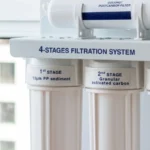
Household filtration systems offer peace of mind for many homeowners. Solid activated carbon filters, like those from Brita or Culligan, cut down on lead and volatile organic compounds. Larger under-sink systems tackle a wider range of pollutants, while whole-house systems protect water at every tap. Keeping filters in good condition is key to their effectiveness.
Proper Chemical Disposal
Disposing of paint, pesticides, or medications in regular trash can harm groundwater. Safe disposal options include community recycling programs and medication drop-off points. Local hazardous waste facilities accept unwanted chemicals, preventing them from contaminating aquifers that supply homes. This careful approach keeps neighborhoods safe and healthy for the long haul.
Community Efforts for Sustainable Water
Local partners are essential in advancing practical solutions to protect our precious resources. Grassroots efforts, led by groups like Citizens Campaign for the Environment, empower residents to tackle contaminants like PFAS and 1,4-dioxane. Through collaboration with regional authorities, these efforts drive the establishment of strong water regulatory standards. This, in turn, enhances treatment methods and promotes responsible water usage.
Local Conservation Programs
Neighborhoods are taking steps to conserve water, focusing on lawn irrigation limits and water-saving tips. Tree-planting projects and rainfall capture systems are being promoted to reduce well stress. This collective effort helps preserve aquifers and fosters ongoing discussions about innovative ways to conserve water.
Public Awareness Campaigns
Forums and community meetings emphasize the importance of informed decision-making. Workshops introduce new technologies and educate participants on updated water regulatory standards. These events catalyze positive change, as residents share ideas, adopt mindful habits, and contribute to safer water supplies.
Initiative | Benefit |
Public Forums | Encourage open dialogue on contaminants |
Conservation Workshops | Teach efficient outdoor water practices |
Educational Flyers | Offer quick tips for eco-friendly habits |
Government Policies and Initiatives
Public funding is essential for ensuring local water safety. New York State invests in significant improvement projects, including grants for updating old treatment plants. These efforts help preserve sustainable water resources and protect communities from health risks.
Local officials state, “We are committed to strengthening our infrastructure to prevent contaminants from harming nearby aquifers.”
The Bay Park Conveyance Project is a notable example of a large-scale effort. It aims to redirect treated water and reduce damage to local bays. This project aligns with legislative actions that set stricter contaminant limits and fund water system enhancements. These steps protect families from saltwater intrusion, extreme weather, and other environmental threats. State and federal agencies’ ongoing monitoring shows a dedication to sustainable water resources. This dedication builds public trust and ensures reliable tap water for all.
Comparing Public and Private Water Systems
Managing water sources requires considering service scope, maintenance, and personal responsibility. Public networks offer broad coverage and structured protocols. In contrast, private wells allow for direct oversight of water quality. Local water initiatives play a significant role in the development and upkeep of this vital resource.
Public utilities are funded through taxes and service fees. They maintain extensive distribution systems, enabling continuous upgrades. Private wells, on the other hand, rely on individual property owners for maintenance and testing. Urban areas benefit from modern infrastructure, including new pipelines and centralized treatment facilities. Rural communities, despite tighter budgets, thrive through regional efforts.
Water bills from public services can be predictable, but rate hikes occur with infrastructure upgrades. Private well owners avoid monthly fees but must cover the costs of regular water checks. Some families value independence, while others prefer government oversight. Local water initiatives foster collective strategies, whether through public or private systems, to enhance water quality.
"Consistent testing helps track contaminants and maintain safety," states the U.S. Environmental Protection Agency.
Factor | Public System | Private Well |
Funding | Tax revenue and user fees | Owner-funded |
Testing | Regulated by state agencies | Scheduled by homeowner |
Infrastructure | Collectively maintained pipes | Individual well equipment |
Emergency Plans | Community-wide support | Independent crisis management |
Looking Ahead to Long-Term Water Assurance
Recent updates in local infrastructure and stricter guidelines have significantly improved water quality on Long Island. The introduction of new wells, advanced filtration systems, and expansions in sewage facilities are key components of this effort. These measures are complemented by ongoing health research, which continually lowers the acceptable levels of contaminants. Home water treatment solutions play a vital role, providing families with an extra layer of protection and easing the strain on public systems.
The responsibility for safeguarding Nassau County’s resources is shared among community members, local authorities, and environmental advocates. Implementing updated landscaping practices and rainwater harvesting methods helps reduce water loss and preserve natural reserves. By adopting responsible household practices, such as mindful water usage and proper waste disposal, we can significantly decrease pollutants. The success of these efforts hinges on collective action. Every household, school, or business contributes to the overall ecological balance. With a commitment to innovation and higher standards, Nassau County is poised to ensure the long-term health of its drinking water. Investing in home water treatment is now a wise choice for both public health and a sustainable future.
FAQ
Why is Nassau County water quality considered so important?
Nassau County’s water quality is vital for over a million residents. It’s mainly sourced from the Magothy aquifer. Concerns arise from contaminants like lead, PFAS, or VOCs, which can harm health over time. Thanks to upgrades in treatment systems and strict EPA and New York State standards, safety is maintained.
Who regulates Nassau County’s drinking water and enforces standards?
The Environmental Protection Agency (EPA) and New York State agencies oversee Nassau County’s water. They set limits for harmful substances and require regular testing. This ensures the water meets strict standards, keeping contamination low.
Where does Nassau County’s water originate, and why is groundwater significant?
Nassau County’s water comes mainly from the Magothy aquifer, with contributions from the Lloyd and Upper Glacial aquifers. Groundwater recharge is essential, replenishing these resources over time. This supports a sustainable water supply.
What are some common methods used to maintain water quality in Nassau County?
Utilities use coagulation, sedimentation, filtration, and chlorination to clean the water. Advanced technologies like granular activated carbon or reverse osmosis combat PFAS. Monitoring ensures providers address emerging issues and upgrade systems.
Which contaminants raise the most concern in Nassau County?
Lead, 1,2,3-Trichloropropane, chloroform, and PFAS are major concerns. These contaminants come from industrial activities, older plumbing, or agricultural runoff. Recent regulations target substances like 1,4-dioxane due to their carcinogenic effects, highlighting the need for treatment and monitoring.
How are contaminants treated and removed during water processing?
Filtration techniques, such as sand filtration and activated carbon, remove suspended solids and trace chemicals. Disinfection methods like chlorination, UV treatment, and ozonation kill harmful microbes. This multi-step process protects consumers.
Can color, taste, or odor changes indicate water quality problems?
Yes, changes in color, taste, or odor can signal issues. They might be due to minerals or maintenance, but could also indicate chemical byproducts or metals. Municipal labs test rigorously to identify hazards and respond quickly.
How often is Nassau County’s water sampled and tested?
Testing occurs year-round. Samples are taken from wellheads, distribution points, and households. This data helps refine treatment methods and address contamination early.
Do seasonal changes affect tap water safety?
Temperature changes can lead to bacterial growth, while fertilizer runoff increases nitrates. Heavy rains and droughts pose risks like saltwater intrusion. Frequent monitoring helps adapt treatment strategies.
What can homeowners do to protect household water quality?
Homeowners can install filtration systems to remove contaminants. Proper disposal of hazardous substances also helps. Participating in hazardous waste collection events is beneficial.
How do communities and environmental groups improve local water sustainability?
Community efforts, like those by the Citizens Campaign for the Environment, raise awareness. These groups work with authorities to push for policy changes. Conservation programs, such as reduced lawn irrigation, support aquifer health.
Which government initiatives support continued water quality improvements?
County plans align with state and federal projects, including funding for upgrades. Projects like the Bay Park Conveyance Project protect waterways and mitigate risks. These efforts strengthen Nassau County’s resilience.
What’s the difference between public water systems and private wells in Nassau County?
Public systems are monitored and benefit from infrastructure investments. Private wells require owner responsibility, leading to higher costs but independence. Both systems need vigilance to avoid contamination.
How is the county preparing for future water challenges?
Nassau County is investing in advanced filtration and infrastructure. State and federal mandates lower contaminant thresholds. These efforts ensure a sustainable water strategy for the future.