...

Human Activity and Water Quality: The Impact Explored

Summary

Human activities significantly affect water quality, leading to contamination. Sources include agricultural practices, industrial activities, sewage, and improper waste disposal. Contamination impacts human health, the environment, and the economy, causing health issues and harming ecosystems. Monitoring water quality is crucial to understanding and addressing these impacts. Mitigation involves implementing best practices in agriculture and industry, improving sewage treatment, proper waste disposal, and public education. Government regulations and community involvement are vital for protecting water quality and ensuring its safety for future generations.

checking outside water quality 18

It is drunk, planted, produced, used in industry, used for leisure, etc. 

What are the Sources of Water Contamination?

Human activities can result in the release of pollutants into the water, leading to contamination. Some of the most common sources of water contamination include:

  • Agricultural Activities: Agricultural activities, such as the use of pesticides, fertilizers, and livestock operations, can result in the release of pollutants into the water. Pesticides and fertilizers can seep into groundwater, contaminating drinking water supplies. Livestock operations can also result in the release of pollutants, such as manure and chemicals, into the water.
  • Industrial Activities: Industrial activities, such as the production of chemicals, can result in the release of pollutants into the water. These pollutants can include toxic chemicals, such as heavy metals and polychlorinated biphenyls (PCBs) that can be harmful to human health and the environment.
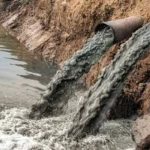
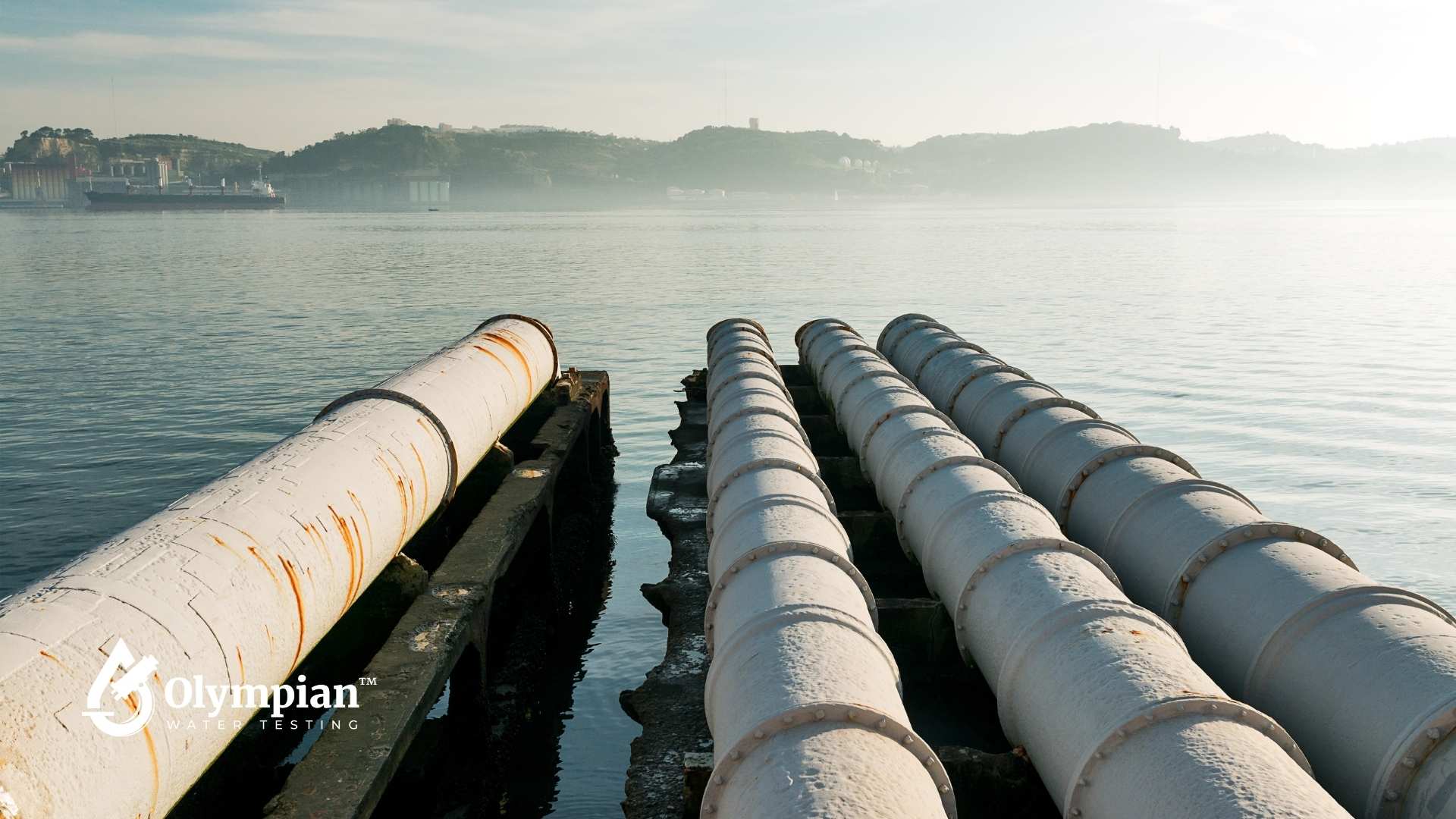
  • Sewage and Wastewater Treatment: Sewage and wastewater treatment plants can also be a source of water contamination. If not properly treated, these waste products can release pollutants, such as pathogens and nutrients, into the water.
  • Improper Disposal of Hazardous Waste: Improper disposal of hazardous waste, such as batteries, electronics, and chemicals, can result in the release of pollutants into the water. These pollutants can include heavy metals and toxic chemicals that can be harmful to human health and the environment.

Impacts of Water Contamination

water tester for home 5

Water contamination can have serious and far-reaching impacts on human health, the environment, and the economy. Human health can be severely impacted by exposure to contaminated water, which can contain harmful pollutants such as pathogens and toxic chemicals. These contaminants can cause a range of health problems, including gastrointestinal illnesses, respiratory issues, and even cancer. The environment can also suffer from water contamination, as it can harm wildlife, plants, and aquatic ecosystems. For instance, the release of excess nutrients, such as nitrogen and phosphorus, into the water can result in excessive growth of algae and other aquatic plants, causing oxygen depletion and the death of aquatic life. The economy can also be affected by water contamination, as decreased tourism can occur in areas with poor water quality, and the cost of treating contaminated water can be high and impact the economy.

The Importance of Monitoring Water Quality

The Importance of Monitoring Water Quality


Mitigating the Impact of Human Activity on Water Quality

Some of these include:

Agricultural Best Management Practices

Agricultural Best Management Practices

Industrial Best Management Practices

Industrial Best Management Practices

Improved Sewage and Wastewater Treatment
Improved Sewage and Wastewater Treatment

Proper Disposal of Hazardous Waste

Proper Disposal of Hazardous Waste

Public Education and Outreach

Public Education and Outreach

The Role of Government in Protecting Water Quality


The Importance of Community Involvement in Protecting Water Quality

Community involvement in protecting water quality. Volunteers test water in a park. Human activity impacts water.


Share this on social media:

Facebook
Twitter
LinkedIn