How to Interpret Water Testing Units
- Published:
- Updated: January 17, 2025
Listen to this article
Summary
Understanding water testing units is essential for assessing water quality and ensuring its safety. This guide explains common units used in water testing and their significance.
- Common Units: Parts per million (ppm) and milligrams per liter (mg/L) measure contaminant concentrations, while microsiemens per centimeter (µS/cm) assesses water conductivity.
- Important Measurements: pH levels indicate acidity or alkalinity, TDS measures dissolved solids, and turbidity assesses water clarity, each providing insights into water quality.
- Home Testing Kits: These kits allow homeowners to test basic parameters like pH and hardness, offering a quick way to monitor water quality before seeking professional help.

Water quality is a critical aspect of our daily lives. It affects everything from our health to the environment.
One key aspect of maintaining water quality is understanding water testing units. These units provide valuable information about the composition and purity of our water.
However, interpreting these units can be a complex task. It requires a good understanding of the different measurements and what they signify.
This article aims to demystify the process. We will explore common water testing units such as parts per million (ppm), milligrams per liter (mg/L), and microsiemens per centimeter (µS/cm).
We will also discuss the significance of specific measurements like pH levels, Total Dissolved Solids (TDS), and turbidity.
Whether you’re a homeowner, an environmental professional, or simply interested in water quality, this guide will provide you with the knowledge you need to interpret water testing units effectively. Understanding the various water testing units is crucial for evaluating the safety and quality of your water supply. By learning how to read lab test water results, you can identify potential contaminants and make informed decisions about treatment options. This guide will help demystify the jargon associated with water testing, empowering you to take control of your water quality.
Understanding Common Water Testing Units
Water testing units are essential for determining water quality. They tell us what is in the water and how it affects us.
To effectively interpret these units, it is crucial to understand what each one measures. Common units include ppm, mg/L, and µS/cm. These help identify contaminants and assess water purity.
Common Water Testing Units:

- Parts Per Million (ppm)
- Milligrams Per Liter (mg/L)
- Microsiemens Per Centimeter (µS/cm)
- pH Levels
Each unit has its specific role and relevance. For instance, ppm and mg/L are often used interchangeably. However, they represent different aspects of substance concentration.
Understanding these units allows individuals to maintain safe water standards, ensuring health and safety. Now, let’s explore each unit’s importance and applications in more detail.
Parts Per Million (ppm) and Milligrams Per Liter (mg/L)
Parts per million (ppm) and milligrams per liter (mg/L) are fundamental in measuring solute concentrations. Ppm refers to the number of parts of a substance in a million parts of water.
Meanwhile, mg/L indicates the mass of a substance in a liter of water. Both units are similar but context-dependent. They help determine contaminants, such as chlorine and fluoride, in water.
Understanding these measurements aids in comparing water quality to acceptable standards, ensuring regulatory compliance.
Microsiemens Per Centimeter (µS/cm) and Conductivity
Microsiemens per centimeter (µS/cm) is a unit for measuring water conductivity. Conductivity reflects water’s ability to conduct electricity, indicating ion presence.
High conductivity often suggests significant dissolved solids, affecting water purity. A conductivity meter measures µS/cm, providing insights into water’s mineral content.
Interpreting these readings is crucial for assessing water’s overall quality and identifying potential issues.
pH Levels and Water Quality
The pH level is a measure of acidity or alkalinity in water. It ranges from 0 to 14, with 7 being neutral.
Water with a pH below 7 is considered acidic, while a pH above 7 is alkaline. Proper pH balance is essential for water’s chemical stability and safety.
Deviations can indicate contamination or treatment issues, impacting water’s suitability for consumption and use. Understanding pH helps maintain balance and prevent harmful effects.
The Significance of Specific Measurements
Understanding specific measurements in water testing is critical for assessing water quality. These measurements provide detailed insights into various water characteristics.
The following parameters are particularly significant:
- Total Dissolved Solids (TDS)
- Turbidity
- Hardness
Each of these measurements offers unique information about water quality and potential contaminants. Knowing how to interpret them can help diagnose and resolve water issues effectively.
Let’s examine these measurements further to understand their implications for water purity and safety.
Total Dissolved Solids (TDS) and Water Purity
Total Dissolved Solids (TDS) quantify all organic and inorganic substances in water. These include minerals, salts, and metals dissolved in the water.
High TDS levels can affect water taste and lead to scaling in pipes and appliances. They also indicate possible contamination, impacting water purity.
Monitoring TDS levels helps determine water treatment needs and ensure the safety of consumption and use.
Turbidity and Water Clarity
Turbidity measures water clarity by evaluating the presence of suspended particles. These particles scatter light, making water appear cloudy.
High turbidity can indicate pollution, sediment, or microbial contamination. It can also affect the effectiveness of disinfection processes.
Monitoring turbidity is essential for identifying contamination sources and ensuring safe drinking water.
Hardness: Grains Per Gallon (gpg) vs. mg/L
Water hardness results from calcium and magnesium concentrations. It is typically expressed as grains per gallon (gpg) or milligrams per liter (mg/L).
High hardness can lead to scaling, affecting plumbing and appliances. It can also interfere with soap’s ability to lather.
Comparing gpg and mg/L values helps tailor water softening solutions and maintain efficient water systems. Both units are critical for evaluating and managing water hardness effectively.
Home Water Testing Kits: A User's Guide
Home water testing kits offer a convenient method for monitoring water quality. They are user-friendly and can detect multiple contaminants.
Common tests available in these kits include:
- pH level testing
- Hardness measurement
- Contaminant detection (e.g., chlorine, lead)
These kits empower homeowners to identify water quality issues and take corrective measures. They provide preliminary insights before professional testing, if needed.
Understanding how these kits work and interpreting results can help maintain safe and healthy water at home.
How to Use Home Water Testing Kits
Using home water testing kits is straightforward and doesn’t require specialized skills. Begin by reading the instructions thoroughly for best results.
Typically, you’ll collect a water sample in a provided container. Then, apply a test strip or use reagents as directed.
Each test is designed for specific parameters, so ensure you follow the correct procedure. Proper usage ensures the accuracy of the results obtained.
Interpreting Home Water Testing Results
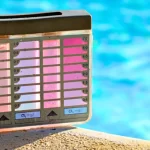
Interpreting results from home water testing kits involves comparing findings against standard values. Kits often include charts or guidelines to assist in this process.
For example, pH levels should ideally range from 6.5 to 8.5 for drinking water. Deviations from normal values may indicate potential issues.
If the test reveals unusual levels, further professional analysis might be necessary. This ensures accurate diagnosis and appropriate remedial action.
The Role of Professional Water Quality Analysis
Professional water quality analysis is vital for ensuring accuracy and comprehensiveness in testing. Experts have the tools and knowledge to assess complex water samples.
Hiring a professional is recommended when:
- There’s potential contamination from industrial sources.
- Home testing results are ambiguous.
- Regulatory compliance is required.
These experts can handle intricate tests, ensuring precise evaluations. This level of scrutiny is crucial for both environmental safety and regulatory adherence. Professional labs also maintain high standards of accuracy and provide detailed reports for informed decision-making.
When to Seek Professional Analysis
There are specific situations where professional analysis becomes necessary. If you suspect chemical spills or industrial runoff, expert intervention is critical.
Professionals can access specialized equipment beyond the scope of home kits. Their expertise is also valuable in legal or real estate transactions requiring certified documentation.
Engaging professional services is wise when the situation demands rigorous standards. This approach ensures reliable solutions and peace of mind.
Understanding Complex Water Testing Results
Complex water testing results often require interpretation by seasoned analysts. These results may involve parameters not covered in home kits.
Terms like biological oxygen demand (BOD) or chemical oxygen demand (COD) can be challenging for laypersons. Professionals can break down these metrics into understandable insights.
Professionals can also provide guidance on remediation strategies. With their assistance, results translate into actionable steps that protect health and the environment. Accurate interpretation of complex tests promotes effective water management.
Conclusion: The Importance of Accurate Water Testing
Accurate water testing safeguards health and the environment. Understanding water testing units is pivotal for informed decision-making. It prevents potential hazards.
By ensuring precision in testing, we uphold safety standards and comply with regulations. Informed analysis supports proactive water quality management, ensuring sustainable water use.
Share this on social media:
Facebook
Twitter
LinkedIn