How to clean and utilize water from waterfall
- Published:
- Updated: August 2, 2025
Listen to this article
Summary
Waterfall water, while seemingly pure, can contain various impurities and pathogens. To safely utilize it for drinking or other purposes, it must undergo a thorough cleaning process, including testing, filtration, and disinfection.
- Preliminary Testing: Assess water quality through microbial, chemical, and physical tests.
- Filtration Methods: Use mechanical filters, ultrafiltration, or reverse osmosis to remove contaminants.
- Disinfection Methods: Apply chlorine, UV light, or boiling to eliminate pathogens.

Waterfalls are among nature’s most breathtaking features, often found in remote and pristine environments. Their allure is undeniable, but when it comes to utilizing the water from these majestic cascades, caution and knowledge are essential. This article explore the steps and methodologies required to clean and make use of waterfall water, ensuring it is safe for various applications, including drinking.
Understanding Waterfall Water Quality
Waterfall water, while seemingly pure and invigorating, can harbor various impurities and pathogens. These contaminants can originate from upstream sources, soil erosion, wildlife, and even airborne pollutants. Therefore, a comprehensive understanding of water quality is paramount before utilization.
Is Water from a Waterfall Clean?
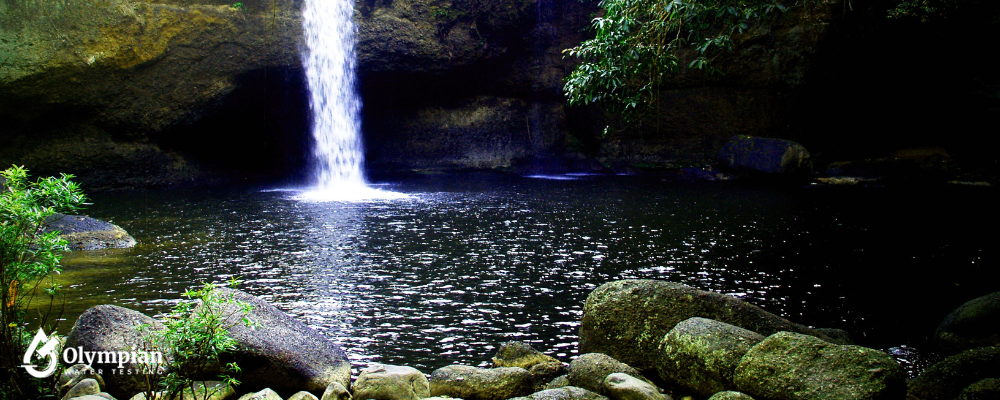
The assumption that all waterfall water is clean is a common misconception. While the rapid movement of water over rocks can act as a natural filter to some extent, it does not eliminate all potential contaminants. Pathogens such as Giardia, Cryptosporidium, and E. coli can thrive in these waters, posing health risks if consumed untreated.
Preliminary Water Testing
Before any treatment, it is crucial to conduct a preliminary assessment of the water quality. This involves collecting water samples and analyzing them for physical, chemical, and biological parameters. Key tests include:
- Microbial Analysis: Identifies the presence of harmful bacteria and protozoa.
- Chemical Testing: Assesses levels of nitrates, phosphates, heavy metals, and other pollutants.
- Physical Examination: Evaluates turbidity, color, and odor.
These tests provide a baseline understanding of the water’s condition, guiding the subsequent cleaning process.
Methods to Clean Waterfall Water

Once the water quality has been assessed, various methods can be employed to clean it, making it safe for consumption and other uses.
Filtration
Filtration is a fundamental step in cleaning waterfall water. It involves passing the water through filters to remove suspended particles and pathogens. There are several types of filtration systems:
- Mechanical Filters: These include ceramic or carbon filters that physically block contaminants.
- Ultrafiltration: Uses membranes to separate fine particles and microorganisms.
- Reverse Osmosis: A more advanced method that removes dissolved solids and impurities through a semi-permeable membrane.
Disinfection

After filtration, disinfection is necessary to eliminate any remaining microorganisms. Common disinfection methods include:
- Chlorination: Involves adding chlorine or chlorine compounds to kill bacteria and viruses.
- UV Treatment: Uses ultraviolet light to deactivate pathogens without chemicals.
- Boiling: A simple yet effective method, especially in emergency scenarios, where water is heated to kill microorganisms.
Natural Methods
For those seeking environmentally friendly options, natural purification methods can also be considered:
- Solar Disinfection (SODIS): Utilizes solar energy to disinfect water in clear plastic bottles.
- Sand Filtration: Employs layers of sand to trap impurities, a technique used in many traditional water treatment setups.
Utilizing Waterfall Water Safely
Once cleaned, waterfall water can be utilized for various purposes. However, it is essential to ensure that the treatment is appropriate for the intended use.
Safe Drinking Water
For safe drinking, it is imperative that the water meets established health standards. Regular testing and maintenance of the treatment systems are crucial to prevent contamination.

Agricultural and Industrial Use
Water from waterfalls can also be used for irrigation and industrial processes, provided it has been treated to remove harmful substances that could affect crop health or manufacturing equipment.
Case Study: Sustainable Water Use from Waterfalls
A practical example of utilizing waterfall water sustainably is seen in the community of X, where local authorities have implemented an integrated water management system. By combining modern filtration technologies with traditional methods, they have successfully harnessed waterfall water for both residential and agricultural needs, showcasing a model of sustainability and innovation.
Challenges and Considerations
While utilizing waterfall water can be beneficial, it comes with its own set of challenges:
- Environmental Impact: Over-extraction of water can disturb local ecosystems. It’s crucial to balance usage with conservation efforts.
- Regulatory Compliance: Adhering to water quality standards and environmental regulations is essential to ensure safety and legality.
- Technical Expertise: Implementing and maintaining water treatment systems requires skilled personnel and resources.
Conclusion
Harnessing the potential of waterfall water requires a blend of scientific knowledge, practical skills, and an unwavering commitment to quality and safety. By employing effective cleaning techniques and understanding the nuances of water quality, individuals and communities can safely utilize this natural resource, contributing to sustainable water management practices. As we continue to face global water challenges, waterfall water, when treated appropriately, offers a viable and often untapped solution.
In the realm of environmental consulting and water quality analysis, staying informed and proactive is key. With the right approach, the majestic waterfalls of our world can serve as both a symbol of nature’s beauty and a source of life-sustaining water.
Share this on social media:
Facebook
Twitter
LinkedIn

Related Posts