Effective Methods for Cleaning Pond Water
- Published:
- Updated: January 12, 2025
Listen to this article
Summary
Effective pond water cleaning requires a combination of natural, mechanical, and chemical methods. Regular maintenance and a deep understanding of pond ecosystems are essential for maintaining water clarity and quality, especially when fish are present. With the right approach, a pond can be a healthy and vibrant environment.
Key Points:
- Natural Methods: Beneficial bacteria, aquatic plants, and barley straw help maintain clear water by reducing organic waste and preventing algae growth.
- Mechanical & Chemical Methods: Filtration systems, UV clarifiers, and controlled algaecide use provide more immediate results for maintaining water quality.
- Routine Maintenance: Regular debris removal, water changes, and water testing are vital for long-term pond health.
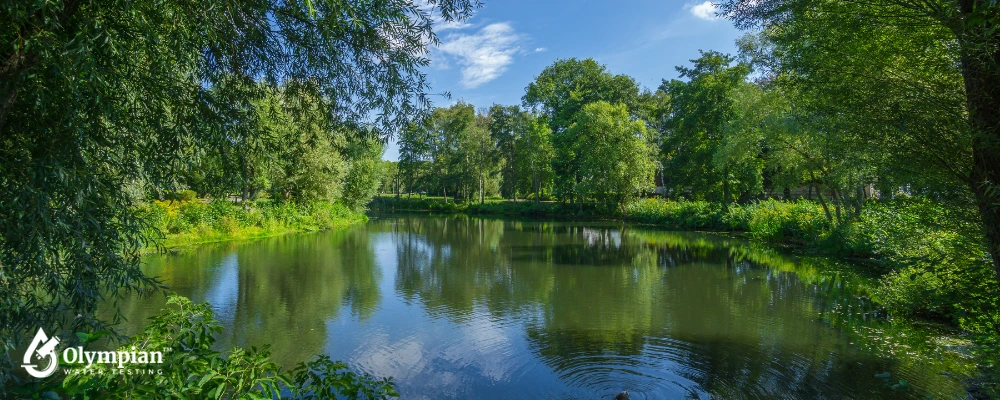
When it comes to maintaining the ecological balance and aesthetic appeal of a pond, the quality of water plays a pivotal role. Ponds, whether ornamental or natural, require regular maintenance to prevent them from becoming breeding grounds for algae and other undesirable organisms. This article explore effective methods for cleaning pond water, especially when fish are present, ensuring clarity and quality are maintained.
Understanding the Dynamics of Pond Water
Before delving into cleaning methods, it’s crucial to understand the intricate balance within pond ecosystems. Ponds are dynamic systems where biological, chemical, and physical processes occur simultaneously. These processes influence water clarity and quality.
The Biological Interplay

Fish, aquatic plants, and microorganisms interact within this ecosystem, and any imbalance can lead to problems such as algal blooms, murky water, and unpleasant odors. Each organism plays a specific role; fish may contribute waste, plants provide oxygen, and microorganisms help in decomposition. Understanding these interactions is essential for maintaining harmony in the pond environment.
Chemical Influences on Water Quality
The chemical composition of pond water is vital for its health. Factors such as pH levels, ammonia, nitrite, and nitrate concentrations must be monitored. These chemicals originate from fish waste, decaying plants, and external pollutants, and can affect the pond’s health if not balanced properly. Regular testing and adjustments ensure the pond remains a safe habitat for its inhabitants.
Physical Characteristics of Pond Ecosystems
The physical aspects of a pond, such as size, depth, and water flow, impact its overall health and clarity. Larger ponds may naturally have better circulation, while smaller ones might require pumps or aerators. The physical setup can determine how easily pollutants accumulate or dissipate, influencing the strategies needed for effective maintenance.
Natural Methods for Clearing Pond Water
Natural methods leverage biological processes to maintain pond clarity, offering eco-friendly solutions that work in harmony with the pond’s ecosystem.
Beneficial Bacteria
One of the most effective natural methods to maintain clear pond water involves the introduction of beneficial bacteria. These bacteria help break down organic waste, such as fish excrement and decaying plant matter, into less harmful substances.
Regularly dosing your pond with these bacteria can significantly reduce the levels of ammonia and nitrites, which are harmful to fish. When selecting bacterial products, ensure they are designed for pond use and are safe for aquatic life. Additionally, these bacteria can aid in reducing odors and improving the overall health of the pond ecosystem, making it a more pleasant environment for both aquatic life and humans.
The Role of Aquatic Plants
Aquatic plants play a vital role in maintaining pond water clarity. They absorb nutrients that would otherwise feed algae, helping to prevent algal blooms. Submerged plants like hornwort and anacharis oxygenate the water and provide habitat for beneficial microorganisms.
Floating plants, such as water lilies, provide shade which reduces sunlight penetration and helps control algae growth. Incorporating a mix of submerged and floating plants can contribute significantly to clearer water. Furthermore, the aesthetic appeal of a well-planted pond can enhance its visual beauty, making it a focal point in any landscape.
Utilizing Barley Straw
Barley straw is a traditional method used to maintain clear pond water. When barley straw decomposes, it releases chemicals that inhibit algae growth. This method is particularly effective in controlling green water, a common issue in many ponds.
To use barley straw, place it in a mesh bag and submerge it in the pond. The decomposition process takes several weeks, so it’s best used as a preventative measure rather than an immediate solution. While slow-acting, barley straw provides a natural and chemical-free way to manage water clarity over time, aligning with sustainable pond management practices.
Mechanical and Chemical Methods
Mechanical and chemical methods provide more immediate solutions for maintaining pond clarity, often used in conjunction with natural methods for best results.
Filtration Systems
Installing an efficient filtration system is one of the most direct ways to ensure clear pond water. Filters help remove physical debris and provide biological filtration, supporting the breakdown of harmful compounds.
There are two main types of filters: mechanical and biological. Mechanical filters physically remove debris from the water, while biological filters use beneficial bacteria to break down harmful substances. A combination of both is ideal for maintaining water clarity and quality. Proper maintenance of these systems ensures their effectiveness and longevity, requiring periodic cleaning and assessment.
The Benefits of UV Clarifiers
UV clarifiers are devices that use ultraviolet light to kill algae and harmful pathogens, helping to maintain clear pond water. As water passes through the UV clarifier, it is exposed to ultraviolet light, which disrupts the DNA of algae and pathogens, rendering them harmless.
While UV clarifiers are effective, they should be used in conjunction with a good filtration system to ensure the overall health of the pond ecosystem. Regular monitoring of the UV system’s functionality is crucial to maintain its efficacy, as bulb life and water flow rates can affect performance.
Responsible Use of Algaecides
Algaecides are chemical treatments that kill algae. While they can be effective for immediate algae control, they should be used sparingly and with caution, especially in ponds with fish. Overuse can lead to oxygen depletion as the dead algae decompose, which can be harmful to aquatic life.
It’s essential to follow the manufacturer’s instructions carefully and consider the impact on the overall ecosystem before applying algaecides. Using algaecides as part of a broader pond management strategy ensures their benefits while minimizing potential harm to the pond’s inhabitants.
Routine Maintenance Practices
Routine maintenance is the cornerstone of effective pond management, preventing issues before they escalate into significant problems.
Regular Debris Removal
Regularly removing debris such as fallen leaves, twigs, and dead plant matter is essential in maintaining clear pond water. This can be done using a pond net or a skimmer, which helps prevent the accumulation of organic matter that can lead to poor water quality.
Consistent debris removal not only enhances water clarity but also reduces the potential for harmful bacteria and pest breeding. Implementing a routine schedule for debris clearance can prevent the buildup of organic waste, ensuring a healthier pond environment.
The Importance of Water Changes
Conducting partial water changes is another effective method for maintaining water clarity. Replacing 10-20% of the pond water with fresh water every few weeks helps dilute pollutants and replenish essential minerals.
It’s important to use dechlorinated water to avoid harming fish and other aquatic life. This practice is particularly beneficial in smaller ponds where waste accumulation is more rapid. Regular water changes can also help in temperature regulation, which is critical for the well-being of aquatic species.
Monitoring and Testing for Success
Regular monitoring and testing of pond water are crucial for maintaining water quality. Testing kits are available for measuring parameters such as pH, ammonia, nitrite, and nitrate levels. Keeping these parameters in check helps prevent conditions that can lead to water quality issues.
Routine testing provides valuable data that can guide maintenance decisions and interventions. Understanding the pond’s chemical balance allows for proactive management, reducing the risk of sudden ecological shifts that could harm aquatic life.
Conclusion
Maintaining clear pond water requires a multifaceted approach that combines natural, mechanical, and chemical methods with routine maintenance practices. By understanding the dynamics of pond ecosystems and implementing these strategies, you can ensure your pond remains a healthy, vibrant habitat for fish and other aquatic life.
Whether you are a student of environmental science or a pond owner facing water quality challenges, these insights provide a foundation for effective pond management. With careful attention and the right methods, achieving clear, high-quality pond water is within reach. The continued success of pond maintenance lies in a balanced approach, where all strategies work in harmony to support a thriving aquatic ecosystem.
Share this on social media:
Facebook
Twitter
LinkedIn

Related Posts