Understanding the Basics: Water Weight and Density
Many people are curious about the impact of water density on a 5 gallon bottle’s weight. At moderate temperatures, one gallon weighs about 8.34 pounds. This means five gallons weigh around 41.7 pounds. Some prefer smaller containers for easier handling, while others find convenience in carrying one large jug.
For a detailed look at a gallon of water’s weight, this resource provides valuable insights. The weight can vary slightly with temperature changes, but the standard weight remains close. Water’s density is due to hydrogen bonds between molecules, with pressure and temperature also influencing it. Yet, these factors rarely cause significant changes in everyday use.
What Makes Water Dense
Hydrogen bonds are responsible for water’s density. These bonds keep water molecules tightly bound. Pressure and temperature also affect density, but most household changes are minor and do not significantly alter the weight.
Common Volumes and Their Typical Weights
Comparing a 5 gallon bottle to smaller bottles is common. Both carry the same weight, but handling can differ. Here’s a table with some popular volumes:
Volume (Gallons) | Approximate Weight (Pounds) |
1 | 8.34 |
2 | 16.68 |
5 | ~41.7 |
Factors Influencing the Weight of a Five-Gallon Container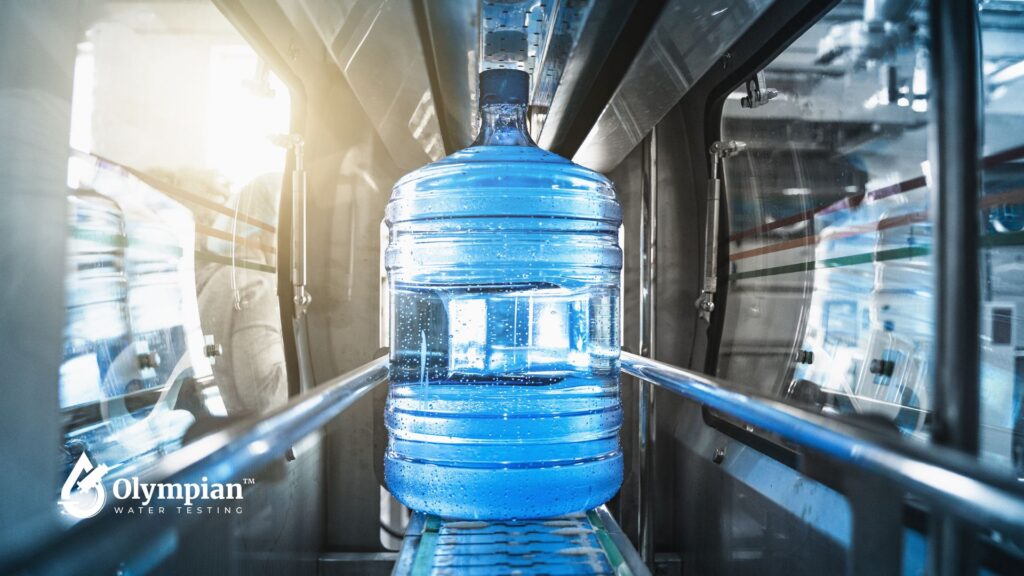
Small changes in conditions can significantly alter the weight of a five-gallon container. A filled jug typically holds around 41.7 pounds of water. The empty shell’s weight varies, ranging from 1 pound to over 8 pounds, depending on its material. Companies like Poland Spring highlight these variations when providing large dispensers for daily hydration.
When choosing between glass and plastic containers, many consider the environmental impact. Plastic versions typically weigh around 4.33 pounds when empty, while certain glass types exceed 8 pounds. This weight can become cumbersome during frequent refills or lifting. Consumers weigh these factors when deciding on the best option for their lifestyle.
Temperature Variations and Their Impact
Water’s density changes with temperature. Even slight adjustments in temperature result in minimal weight differences per gallon. These details are important in settings where precise measurements are critical.
Material Considerations and Packaging
Plastic bottles are lighter for transport but raise concerns about reusability. Glass containers, on the other hand, offer durability but can be more challenging to handle. Many seek a balance between convenience and environmental impact before making a choice.
The 5 Gallon Bottle in Focus
This 5 gallon water container is a staple in many office breakrooms. It can be either plastic or glass, resting on top of water dispensers. This setup allows for quick refills throughout the day.
Major suppliers like Primo Water design sturdy bottles that withstand repeated handling. Some workplaces choose these large bottles for cost savings. Others appreciate the reduced plastic waste from fewer single-use options.
A five-gallon jug can be heavy, requiring proper care when lifting onto a dispenser. Employees share tips on safe handling. This is to prevent strain and maintain easy access to fresh, clean water.
Cost considerations often lead managers to choose bulk deliveries over smaller containers. This keeps budgets and storage concerns in check. Many find that the convenience outweighs the challenge of moving these heavy units.
Opinions on Handling and Transport
Many consider the advantages and disadvantages of using five gallon containers in offices and homes. A full jug can weigh as much as a 40-pack of bottled water, around 45 pounds. This weight poses challenges for those with back issues or limited strength. Many turn to dollies or stands to manage the strain.
Physical Demands for Heavier Containers
Handling large water jugs repeatedly can lead to minor injuries if lifting techniques are not followed. Employers who promote safe lifting practices see a decrease in accidents. Yet, the risk of spills remains, which can be exacerbated during busy times, creating hazards on wet floors.
Convenience And Discomfort Factors
The cost of 5-gallon water is often justified by the reduction in plastic waste compared to smaller bottles. Small businesses must weigh delivery fees against the savings of bulk purchases. The decision can be influenced by the extra charges. Some find frequent refills more convenient, while others prefer the long-lasting supply of larger jugs. The choice depends on workplace needs, employee preferences, and the balance between safety and accessible hydration.
Practical Perspectives on Storing Drinking Water
Many individuals use large containers for daily hydration and emergency preparedness. Models from Coleman or Igloo, for instance, can hold 5 gallons and weigh about 4.33 lbs when empty. These containers feature breather holes to manage pressure and are made from BPA-free materials, addressing health concerns. Ensuring a container is full is more than just placing it in a corner. It involves prioritizing safety and cleanliness to maintain water quality over time.
Opting for space-saving solutions means placing containers on stable ground, away from direct sunlight. Containers with thick walls are designed to withstand temperature changes, which helps in reducing bacteria growth and unpleasant tastes. Proper handling is essential to avoid straining your back and to keep the containers in optimal condition.
Some individuals store 5 gallon water bottles in garages or dedicated pantries. Others prefer solutions that fit under counters. Features like breather caps and sturdy spouts minimize spills, ensuring the container remains sealed and free from contamination. This approach supports the availability of fresh water in various settings, from homes and offices to outdoor adventures.
5 gallon bottle in the American Household
Across the nation, many households are opting for large dispensers to reduce single-use plastic waste. They find these bigger containers simpler and more cost-effective. Glass containers of similar size can weigh up to 10 pounds when empty, making daily handling a challenge. Reusable jugs offer a solution by cutting down on waste, but careful lifting is essential.
Everyday Usage and Accessibility
In kitchens and garages, American households are embracing 5 gallon water containers. The use of water coolers or countertop stands ensures quick access to fresh water. Families appreciate the convenience of refilling these large containers, which streamlines their daily routines. It also minimizes the need for frequent trips to the store for smaller bottles.
Environmental Footprint and Public Opinion
The production of plastic bottles consumes about 76 million barrels of oil annually, sparking debates on responsible consumption. These containers can take centuries to decompose, leading to long-term pollution. Many advocate for sustainable habits, including the use of reusables. Yet, some are hesitant about carrying a full five-gallon jug in tight spaces.
Despite these concerns, the demand for five gallon water usage is on the rise. This trend highlights a growing preference for eco-friendly choices and reliable hydration. Brands are responding by promoting refill stations and lightweight alternatives, aiming to balance convenience with conservation.
Wrapping It Up: Staying Informed and Hydrated
Handling a five-gallon container, weighing around 40 pounds, can lead to physical strain. Proper lifting techniques and the use of support can mitigate injury risks. This knowledge fosters responsible habits in both home and shared environments.
Some offices cut costs and reduce plastic waste by filtering water on-site. Others prefer refillable jugs for their ease of delivery and consistent supply. These insights highlight the variety of options for staying hydrated.
The production of plastic bottles in the United States alone consumes over 17 million barrels of oil annually. Environmental concerns escalate with disposal and resource depletion costs. Many turn to alternatives like glass or durable dispensers to reduce their ecological footprint.
Individuals and workplaces may choose filtration systems as a final thought on five-gallon water jugs. This choice offers convenience and a reduced carbon footprint. Others prefer reusable bottles that align with their budget or hectic schedules.
Hydration remains a universal concern. Making informed choices that balance personal comfort, environmental responsibility, and cost-effectiveness leads to practical solutions in daily life.