Understanding the Basics of Volume Measurement
Many people monitor their daily fluid intake by looking at volumes in bottles, cups, or larger containers. It’s important to understand how these units work to avoid confusion. This knowledge is key for measuring hydration in various settings, from cooking to outdoor activities.
Fluid Ounces, Cups, and Gallons
The term fluid ounce conversions explains how a small liquid volume fits into a larger system. One cup usually holds eight fluid ounces. This means there are 16 cups in a gallon. This information helps ensure consistent measurements, whether for cooking or tracking personal water intake.
Where Bottled Water Fits into Volume Comparisons
In the United States, standard plastic bottles often have about 16.9 fluid ounces. Understanding the relationship between cups and gallons is straightforward yet essential. Bottled water offers a tangible way to monitor fluid intake. It’s useful for families, workplaces, and anyone looking to maintain consistent hydration.
Common Water Bottle Sizes and Their Capacities
When planning daily hydration, many opt for standard water bottle sizes. Sizes like 8 oz, 12 oz, and 16.9 oz are perfect for quick hydration. On the other hand, 20 oz and 24 oz bottles are ideal for those who prefer fewer refills. Each size plays a role in tracking water intake conveniently.
For those new to measuring ounces, choosing a size that fits their routine is key. Some prefer lightweight containers for short trips. Others opt for larger volumes for gym workouts. Understanding how each size contributes to water goals is essential.
Benefits of Measuring Water by the Bottle
Tracking bottles at home or on the move helps people understand their daily usage. This method encourages mindful habits, contributing to overall well-being. A consistent bottle size makes daily water intake easier by aligning refills with personal targets.
Improving Hydration Tracking
Assigning a fixed number of bottles simplifies hydration tracking. People can place their filled containers in a visible area, encouraging them to drink as they go about their day. Seeing how many bottles are left acts as a reminder to stay hydrated.
Reducing Household Waste
Adopting a reusable container can reduce plastic waste and monitor portion sizes accurately. Brands like Nalgene or Klean Kanteen provide durable options for daily use. Opting for one reliable container minimizes the need for disposable packaging, fostering an eco-conscious lifestyle.
Bottles in a Gallon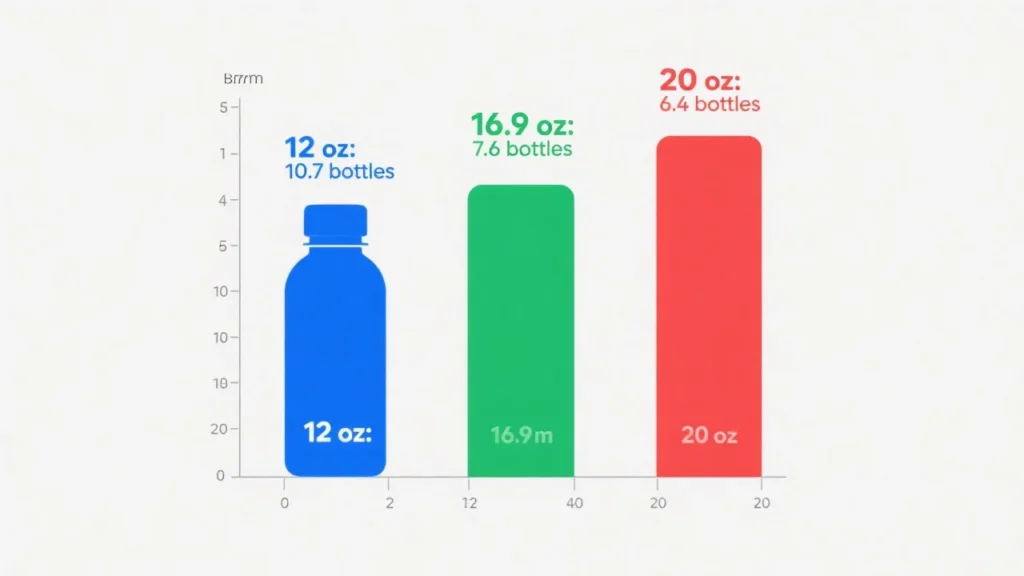
The number of bottles in a gallon can vary due to different packaging choices and national measurements. This highlights the need for accurate volume conversions, whether for daily hydration or group activities. Water bottles, often labeled at 16.9 ounces, complicate the division of a gallon.
PepsiCo’s Aquafina, among others, uses unique labeling. This raises questions about bottle usage in events or workdays, as the exact count depends on factory definitions. Consumers seeking to meet hydration goals often look for organized methods.
Why Standardization Varies
Packaging regulations vary by region, leading to differences in volume labeling. Standardization does not always cross borders, so imported items might differ slightly. Consumers face variations influenced by marketing and regulatory guidelines.
Factors That Influence Bottle Count
Personal preference and convenience often guide bottle choices. Health goals, storage needs, and brand availability also play roles. Below is a table showing typical bottle volumes and an approximate count per gallon:
Typical Bottle Volume | Approx. Count per Gallon | Brand Example |
16.9 oz | ~7.5 | Nestlé Pure Life |
20 oz | ~6.4 | Dasani |
12 oz | ~10.7 | Poland Spring |
Comparing Plastic vs. Stainless Steel Bottles
Choosing between plastic and metal for a reusable container can be challenging. Plastic might seem easy to use, but single-use bottles contribute to pollution. On the other hand, a stainless steel water bottle is durable and can withstand daily use without needing frequent replacements.
Switching to stainless steel supports eco-friendly hydration by reducing disposable products. Brands like Hydro Flask or Yeti offer bottles that keep drinks at the right temperature for hours. They are also BPA-free, minimizing the risk of chemicals in your drinks. While the initial cost may be higher, the long-term savings make it a worthwhile investment.
Material | Durability | Health Concerns | Cost Over Time |
Plastic | Prone to wear or warping | Potential chemical leaching | Lower initial price |
Stainless Steel | Long-lasting and sturdy | Typically BPA-free | Higher at first, cheaper overall |
How to Convert Bottles to Gallons in Everyday Scenarios
Understanding the basics of hydration can simplify your daily routine. A gallon contains 128 fluid ounces, while a standard 16.9 oz bottle holds about 16 fluid ounces. Dividing 128 by 16 reveals that eight bottles fill a gallon. This method makes it easy to convert water bottles to gallons, ensuring you buy or carry the right amount without overestimating.
Workplace or School Settings
Effective hydration is key to maintaining productivity. By planning your water intake, you can avoid the need for constant refills. This strategy enhances focus during meetings, classes, and group discussions, leading to improved task performance.
Travel and Outdoor Activities
Proper planning is essential for staying hydrated on the go. Calculating the number of bottles needed for a gallon helps hikers, road-trippers, and campers manage their supplies efficiently. It reduces the weight of your load, making it easier to adapt to changing environments.
Bottle Size | Approx. Fluid Ounces | Bottles per Gallon |
12 oz | 12 | 10.7 |
16.9 oz | 16 | 8 |
20 oz | 20 | 6.4 |
Tips for Staying Hydrated in the United States
Seeking balanced water intake in the US can be challenging due to varied environmental demands. Some areas require additional hydration efforts, while others offer affordable, accessible water sources. Adopting simple daily habits can prevent dehydration and promote overall health.
Adapting to Regional Climate Differences
In hot, dry states like Arizona, fluid loss is a significant concern. The Arizona Department of Health Services recommends drinking eight 8-ounce cups daily (64 ounces), which is half a gallon. It’s essential to be cautious during intense activities. Drinking one cup of water every 15 to 20 minutes helps maintain body temperature, but avoid exceeding 48 ounces per hour.
In humid climates, sweat may stay on the skin, but the body loses fluid through increased perspiration. Consuming foods with high water content, such as melon or cucumber, aids hydration in any climate.
Making the Most of Local Water Sources
Utilizing city supplies or well water can save money. It’s important to understand filtration and safety standards before consuming or cooking with local water. In warmer climates, hydration needs may increase due to increased sweat. Access to reliable water sources is invaluable.
Promoting a Healthy Lifestyle
Establishing a daily water routine can boost mental clarity and physical stamina. A balanced strategy involves regular water intake and using sports drinks to replace lost electrolytes. Simple climate adaptations support consistent hydration in the US, promoting healthy habits from dawn till dusk.
Where to Go From Here in Your Hydration Journey
Being mindful of daily water intake can lead to better habits in various settings. It helps in setting personal hydration goals and reducing plastic waste. This approach is essential for everyone.
Switching to a refillable container can significantly reduce single-use plastic bottles. Brands like Nalgene offer durable, cold-keeping options. Stainless steel containers also maintain temperature, promoting sustainability.
Boosting water intake can enhance energy, regulate body temperature, and improve health. Understanding how many bottles make a gallon increases awareness of hydration. This knowledge motivates consistent drinking.
Adopting a healthy lifestyle requires ongoing effort and a positive mindset. Using digital apps or simple checklists to track progress is beneficial. Each step towards conscious hydration contributes to a greener lifestyle. Regular hydration prevents dehydration and solidifies new habits.
FAQ
How many standard 16.9 oz bottles of water equal one gallon?
To find out, divide 128 fluid ounces (one U.S. gallon) by 16.9 oz. This gives you about 7.57 bottles. The exact number is tricky because 16.9 oz is based on 500 ml in the metric system. This doesn’t convert neatly to the U.S. customary system.
Why is 16.9 oz such a common size for bottled water?
Companies choose 16.9 oz because it’s roughly half a liter (500 ml). This makes it a convenient single-serving size. It’s also easy to hold, store, and transport, making it popular in retail settings.
How do 8 oz and 12 oz bottles compare when measuring toward a gallon?
An 8 oz bottle is exactly one cup, and there are 16 cups in a gallon. So, you’d need 16 bottles of 8 oz each to reach a gallon. A 12 oz bottle would require about 10.67 bottles to make a gallon (128 ÷ 12 ≈ 10.67). This shows that smaller sizes need more bottles to total a gallon.
What if I prefer 20 oz or larger water bottles?
With a 20 oz bottle, you’d need about 6.4 bottles to reach a gallon. For bigger sizes like 24 oz or 32 oz, the bottle count goes down. The idea is to divide 128 oz (the number of ounces in a U.S. gallon) by the bottle’s capacity to get a rough count.
Why do some people aim to drink a gallon of water per day?
Some experts recommend a gallon for active adults or those in warm climates. But hydration needs vary by individual factors like health status, activity level, and climate. Tracking daily intake can help ensure consistent hydration.
How can measuring water by the bottle improve my hydration habits?
Bottles offer a clear, tangible way to see how much water is consumed. Instead of guessing in cups or ounces each time you refill a glass, counting “bottles per day” makes it simpler to stick to your hydration targets.
Why are stainless steel bottles considered more eco-friendly?
Stainless steel bottles are reusable, durable, and often BPA-free. They reduce reliance on single-use plastics, cut costs over time, and generally have less environmental impact. Many also come with insulation benefits to keep drinks cold or hot longer.
What makes the bottle-to-gallon ratio imperfect?
Differences between metric and U.S. customary units lead to non-integer results. For instance, 16.9 oz aligns with 500 ml—perfect in the metric system but not a clean fraction in ounces or gallons. Also, some brands use slightly different bottle sizes (e.g., 16 oz vs. 16.9 oz), adding more variation.
How do climate and location affect daily water needs?
In hot or dry regions like Nevada or Arizona, higher temperatures and low humidity often increase sweat and fluid loss, requiring more water. In humid areas, you may sweat but might need to balance electrolyte intake along with water. Local water quality and filtration can also shape personal hydration choices.
What’s the best method for converting bottle sizes to gallons in real-life situations?
Simply divide 128 (fluid ounces in a gallon) by the capacity of your bottle. For a 16.9 oz bottle, that’s 128 ÷ 16.9, resulting in roughly 7.57 bottles per gallon. Apply the same math for 20 oz, 24 oz, or any other size to keep track of your daily consumption.