Choosing the Best Under Sink RO System
- Published:
- Updated: January 10, 2025
Listen to this article
Summary
Choosing the best under sink Reverse Osmosis (RO) system is essential for ensuring clean, safe drinking water. These systems remove a wide range of contaminants, improving water quality significantly. This article explores key considerations when selecting an under sink RO system, including water quality analysis, system capacity, and maintenance.
Key Points:
- RO System Components: Key components include pre-filters, an RO membrane, post-filters, a storage tank, and a dedicated faucet, all working together to purify water.
- Benefits: RO systems offer enhanced water quality, space efficiency, and long-term cost savings by reducing reliance on bottled water.
- Top Models: Recommended systems include APEC’s 5-stage RO, iSpring RCC7AK with mineral reintroduction, and Home Master’s TMHP with UV filtration for additional microbial protection.

In the realm of water filtration systems, choosing the best under sink Reverse Osmosis (RO) system is crucial for ensuring the delivery of clean, safe drinking water. Given the increasing concerns about water quality, particularly in urban environments, understanding the dynamics of RO water systems can offer significant advantages. This article explore the technicalities, benefits, and considerations when selecting an under sink RO system, drawing upon my extensive experience in environmental consulting and water quality analysis.
Understanding Reverse Osmosis: A Brief Overview
Reverse Osmosis is a water purification process that utilizes a semipermeable membrane to remove ions, molecules, and larger particles from drinking water. This system is highly effective in eradicating contaminants such as lead, arsenic, nitrates, and chlorine, providing a significant improvement over standard filtration methods.
In an RO system, water pressure pushes tap water through a semipermeable membrane, leaving contaminants behind and allowing only the pure solvent to pass through. The efficiency of this process is what makes the RO system a preferred choice for under sink installations, where space and discretion are paramount.
Key Components of an Under Sink RO System
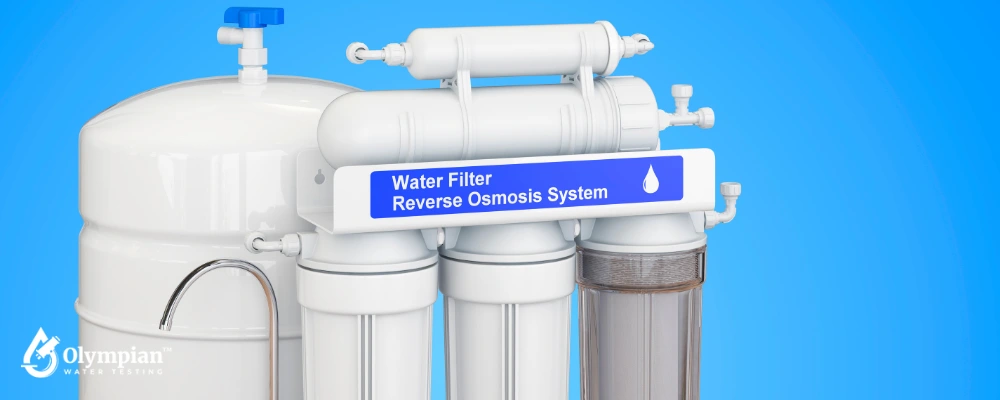
An under sink RO system comprises several critical components, each playing a pivotal role in the filtration process:
- Pre-filters: These are designed to remove larger particles such as sediment and chlorine, which can damage the RO membrane.
- RO Membrane: The heart of the system, this semipermeable membrane filters out the majority of dissolved contaminants.
- Post-filters: These filters further purify the water by removing any residual tastes or odors.
- Storage Tank: Purified water is stored here until it is needed.
- Faucet: A dedicated faucet dispenses the filtered water.
Understanding these components can aid in assessing the effectiveness and suitability of different systems available in the market.
Benefits of Installing an Under Sink RO System
Enhanced Water Quality
The primary advantage of an under sink RO system is the significant improvement in water quality. By effectively removing a wide range of contaminants, these systems ensure that the water consumed is safe and palatable. This is particularly important for households located in areas with known water quality issues.
Convenience and Space Efficiency
Under sink RO systems are designed to be unobtrusive, fitting neatly beneath the kitchen sink without occupying valuable counter space. This design ensures that the filtration system is both effective and convenient to use, providing easy access to purified water without cluttering the kitchen environment.
Cost-Effective Solution
While the initial investment in an under sink RO system may seem substantial, the long-term benefits in terms of health and reduced reliance on bottled water make it a cost-effective solution. Furthermore, maintenance costs are relatively low, primarily involving the periodic replacement of filters.
Factors to Consider When Choosing an Under Sink RO System
Water Quality Concerns
Before selecting an RO system, it is essential to analyze the specific water quality issues present in your area. This may involve conducting a professional water quality test to identify the contaminants that need to be addressed. Understanding these specifics will guide you in choosing a system with the appropriate filtration capabilities.
System Capacity and Flow Rate
The capacity of an RO system is determined by the amount of water it can filter per day. It is crucial to select a system that matches your household’s water consumption needs. Additionally, consider the flow rate, which influences how quickly the system can deliver purified water.
Installation and Maintenance Requirements
While most under sink RO systems are designed for easy installation, it’s advisable to consult with a professional to ensure optimal setup and performance. Regular maintenance, including filter changes and membrane cleaning, is vital to maintain the system’s efficiency and prolong its lifespan.
Top Under Sink RO Systems on the Market
When selecting an under sink RO system, consider the following top-rated models, each offering distinct advantages based on capacity, efficiency, and additional features:
APEC Top Tier 5-Stage Ultra Safe Reverse Osmosis System
Known for its high-quality components and ease of installation, the APEC RO system features a 5-stage filtration process that ensures comprehensive removal of contaminants. Its robust design and reliable performance make it a preferred choice for many households.
iSpring RCC7AK 6-Stage Under Sink Reverse Osmosis System
The iSpring system incorporates an additional stage of filtration that reintroduces essential minerals, enhancing the taste of the purified water. This model is particularly beneficial for those concerned with maintaining balanced mineral content in their drinking water.
Home Master TMHP HydroPerfection Undersink RO System
Featuring an innovative design that includes a UV light filter to tackle microorganisms, the Home Master TMHP system is ideal for areas with microbiological contamination concerns. Its advanced filtration stages provide both safety and improved water quality.
Conclusion: Making an Informed Choice
Selecting the best under sink RO system involves careful consideration of your specific water quality needs, system capabilities, and maintenance requirements. By investing in a high-quality RO system, you can ensure the delivery of pure, safe drinking water for you and your family.
As a seasoned environmental consultant, I recommend conducting thorough research and consulting with water quality professionals to determine the most suitable system for your needs. This approach will not only address current water quality concerns but also contribute to long-term health and well-being.
Share this on social media:
Facebook
Twitter
LinkedIn

Related Posts