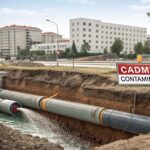
How Hurricane Damage Affects Water Safety in Coastal Communities
- Published:
- Updated: February 17, 2025
Listen to this article
Summary
Hurricanes pose significant risks to water safety in coastal communities, impacting both water infrastructure and water quality. Flooding, saltwater intrusion, and infrastructure damage increase the chances of contamination and waterborne diseases. This article highlights immediate actions, long-term recovery strategies, and the role of environmental consulting in addressing water safety concerns following hurricanes.
Key Points:
- Flooding during hurricanes leads to contamination by pathogens and chemicals, requiring rapid water quality assessments and public health advisories.
- Saltwater intrusion from storm surges damages freshwater supplies and complicates treatment processes, requiring preventive infrastructure.
- Long-term recovery focuses on restoring resilient water systems, improving infrastructure, and enhancing community preparedness through education and collaboration.

Hurricanes are a force of nature that can wreak havoc on coastal communities. They bring with them not only destructive winds and flooding, but also a host of water safety issues.
The impact of hurricane damage on water safety is a critical concern. It’s a topic that affects everyone, from residents to local government officials, environmental agencies, and emergency responders.
Hurricanes can compromise water safety in several ways. Physical damage to infrastructure and environmental contamination are just the tip of the iceberg. Flooding can spread pathogens, chemicals, and debris into water supplies, posing serious health risks.
Moreover, storm surges can cause saltwater intrusion, affecting freshwater resources and water treatment facilities. Power outages can disrupt water treatment and supply systems, increasing the risk of waterborne diseases.
In this article, we explore the intricacies of how hurricane damage affects water safety. We aim to provide a comprehensive understanding of the risks and challenges, as well as practical advice on how to address these issues.
We will guide you through the immediate actions needed post-hurricane, long-term recovery strategies, and the role of environmental consulting in hurricane recovery.
Our goal is to equip you with valuable information to prepare for and respond to water safety concerns following hurricane events. Let’s explore this crucial topic together.
Understanding the Impact of Hurricanes on Water Systems
Hurricanes pose a unique threat to water systems in coastal areas. The interplay of wind, rain, and storm surges can devastate the infrastructure essential for water safety. Communities near the ocean face heightened risks due to their geographical vulnerability.
One of the primary concerns during hurricanes is the flooding that ensues. Floodwaters can infiltrate water systems, leading to widespread contamination. This contamination often carries harmful pathogens and pollutants.
Moreover, hurricanes can cause significant physical damage. Water treatment plants, pipelines, and sewage systems are all susceptible to damage. Such damage can lead to severe disruptions in water supply and quality.
The economic implications of repairing these systems post-hurricane can be enormous. Thus, understanding the impacts on water systems aids in effective emergency planning and resource allocation. Vigilant monitoring and regular assessments are key components.
Preparedness measures, such as reinforcing infrastructure and developing robust emergency response plans, can greatly enhance resilience. Education and training for local responders and community members are vital. These efforts collectively reduce the risk of catastrophic failures.
The Risks of Flooding and Contamination

Flooding during hurricanes significantly increases the risk of water contamination. Floodwaters can quickly overwhelm existing drainage systems, spreading pollutants far and wide. Everything from raw sewage to hazardous chemicals can infiltrate water supplies.
This influx of contaminants can result in severe health issues. Pathogens in contaminated water can cause diseases like cholera, dysentery, and hepatitis A. Such outbreaks are a serious threat to public health, especially after a hurricane.
Communities must take swift action to prevent these outcomes. Immediate water quality analysis is crucial to determine contamination levels. Public health advisories and notices can help mitigate health risks. Precautionary measures ensure safety and maintain public confidence in emergency responses.
Saltwater Intrusion and Freshwater Resources
Storm surges associated with hurricanes often lead to saltwater intrusion. This phenomenon occurs when ocean water moves into freshwater aquifers, rivers, and lakes. Saltwater intrusion poses a direct threat to freshwater resources.
This intrusion can render water supplies unusable for drinking and agriculture. It disrupts the balance of local ecosystems, affecting both flora and fauna. Further, saltwater complicates water treatment processes, increasing the burden on existing systems.
Preventative infrastructure like sea walls and levees can help manage this risk. Additionally, proactive monitoring of saltwater levels in freshwater sources is essential. Communities need to implement contingency plans, including the use of alternate water sources.
Infrastructure Vulnerabilities and Power Outages
Hurricanes often expose critical vulnerabilities in infrastructure. High winds and flooding can cause severe damage to water treatment facilities and pipelines. Compromised infrastructure impedes the distribution of safe drinking water.
Power outages are a common consequence of hurricanes, exacerbating these issues. Without power, water treatment facilities cannot operate effectively. This disruption increases the potential for untreated water entering supply lines.
Backup power solutions, such as generators, are vital for continuity. These measures ensure treatment facilities continue to function during outages. Investing in resilient infrastructure and employing regular maintenance can reduce vulnerabilities.
Additionally, forming strategic partnerships with local power providers can enhance response capabilities. Through collaboration and planning, communities are better equipped to handle the immediate aftermath of a hurricane.
Immediate Actions for Water Safety Post-Hurricane
In the wake of a hurricane, ensuring water safety becomes a top priority. Quick and decisive action is crucial to address potential hazards. Identifying contamination sources helps shape effective response strategies.
Initial steps involve restoring water systems and assessing the situation. Specialists conduct comprehensive tests to determine contamination levels. Based on these findings, authorities issue necessary health alerts.
Communities must be guided with clear instructions to handle water safely. Public education campaigns help people understand water-related risks. This communication builds trust and promotes safe practices during the recovery phase.
Key immediate actions include:
- Conducting rapid water quality assessments
- Issuing public health advisories as needed
- Providing resources for emergency water supply and purification
- Engaging community volunteers in monitoring efforts
Together, these actions lay the foundation for recovery. They help mitigate health risks and restore normalcy in affected communities. Coordination and collaboration across agencies and stakeholders are essential.
Assessing Water Quality and Contamination Levels
Thorough water quality assessments are vital after hurricane events. These assessments help determine the extent of water contamination. Without such analyses, communities risk exposure to harmful pathogens and pollutants.
Water experts employ advanced testing methods to evaluate safety. They use rapid diagnostics to identify bacterial and chemical contaminants. Testing results guide subsequent actions and health advisories issued by officials.
These evaluations require skilled personnel and specialized equipment. In many cases, mobile testing units are deployed for on-site analysis. This expedites the process and provides timely data for informed decision-making.
Public Health Advisories and Boil Water Notices
Following water quality assessments, public health advisories become critical. Authorities communicate risks to the public through various channels. Transparency and timely updates maintain community trust during crises.
Boil water notices are a common precautionary measure. These notices instruct residents to boil water before use to kill harmful microbes. This step reduces the risk of waterborne diseases, safeguarding public health.
Effective communication involves multiple platforms, including social media and local news. Clear and consistent messaging ensures that everyone is informed. Understanding these advisories minimizes panic and fosters responsible actions.
Emergency Water Supply and Purification Methods
Securing a safe water supply is crucial after a hurricane. Contaminated water systems may be offline, requiring alternative solutions. Communities should have an emergency supply of clean water on hand.
Several methods exist for purifying water if supplies are disrupted:
- Boiling water to eliminate harmful bacteria and viruses
- Using water purification tablets or drops for chemical treatment
- Filtering water through specialized devices to remove particulates
- Employing solar disinfection techniques to harness UV rays
Each method has its advantages and is suitable for different situations. Understanding and utilizing these techniques can ensure safe water access. Preparedness and education on purification methods enhance resilience and reduce health risks. Moreover, communities facing specific challenges, such as Connecticut tap water safety concerns, must be particularly vigilant in assessing their water sources. By staying informed about local water quality reports and engaging in regular testing, residents can better safeguard their health. Ultimately, fostering a culture of awareness and proactive measures around water purification can significantly mitigate potential dangers associated with contaminated water supplies.
Long-Term Water Safety and Recovery Strategies
Long-term strategies are essential for ensuring water safety and recovery post-hurricane. These strategies focus on restoring and strengthening water infrastructure. They also emphasize community involvement and education to build resilience.
Rebuilding efforts prioritize not only repair but also improvement of facilities. Enhancements can prevent future damage and improve reliability. Investment in robust infrastructure is key to safeguarding water supplies.
Community preparedness plays an important role in long-term water safety. Educating residents about potential risks and responsive actions is vital. This awareness empowers communities to manage water resources efficiently.
Collaborative efforts between government, organizations, and local communities are crucial. Such partnerships facilitate effective planning and execution. This synergy ensures comprehensive solutions that address immediate and future challenges.
Restoring Safe Water Supply and Treatment Facilities
After a hurricane, restoring safe water supplies and treatment facilities is crucial. Damage assessment allows for targeted repair efforts. Priority is given to repairing critical infrastructure to resume operations swiftly.
Upgrading technology and processes can improve facility resilience. Modernized systems reduce vulnerability to future storm events. These improvements enhance efficiency and the overall quality of water services.
Restoration also includes revisiting standard protocols for emergencies. Establishing contingency plans ensures that facilities remain operational. This foresight mitigates risk and supports a faster return to normalcy for affected communities.
Building Resilient Water Infrastructure
Resilient water infrastructure is a cornerstone of long-term water safety. Incorporating resilience into design and construction helps withstand extreme weather. This approach minimizes damage during hurricanes and speeds up recovery.
Utilizing advanced materials and technology enhances infrastructure durability. Innovations like flood-resistant components offer additional protection. These enhancements significantly reduce the need for future repairs and costs.
Investments in green infrastructure, like wetlands, provide natural buffers. These ecosystems can absorb storm surges and reduce flood impacts. Incorporating nature-based solutions into infrastructure planning fosters sustainability.
Community Preparedness and Education
Community preparedness and education are vital for water safety resilience. Informed residents can respond effectively to water crises. Education initiatives should focus on awareness and proactive measures.
Workshops and community engagement sessions disseminate essential knowledge. These platforms enable sharing of best practices and survival strategies. Interactive learning fosters a culture of preparedness within communities.
Involving local leaders and organizations strengthens outreach efforts. These partnerships ensure that information reaches diverse audiences. Collaboration promotes uniformity in safety practices across the region, ensuring a cohesive response during emergencies.
The Role of Environmental Consulting in Hurricane Recovery
Environmental consulting plays a pivotal role in hurricane recovery. It provides expertise to address complex water safety challenges. Consultants guide communities in implementing effective recovery strategies.
Consultants offer tailored solutions to restore water quality. Their assessments identify specific needs and vulnerabilities. This targeted approach ensures efficient use of resources for recovery efforts.
Environmental consultants also facilitate compliance with regulations. They navigate legal requirements to help communities meet safety standards. This guidance accelerates the recovery process and minimizes bureaucratic delays.
Disaster Preparedness and Response Planning
Disaster preparedness is key to mitigating hurricane damage. Environmental consultants assist in developing robust response plans. These plans ensure communities are ready to protect water resources.
Planning involves risk assessments and vulnerability analyses. Identifying potential threats allows for preemptive measures. This foresight enhances a community’s ability to withstand disasters.
Training and simulation exercises are crucial components. They prepare individuals for real-world scenarios, boosting confidence and efficiency. Well-prepared communities respond more effectively during actual emergencies.
Water Testing and Environmental Assessments
Water testing is essential in post-hurricane recovery. It helps detect contamination levels and necessary interventions. Accurate testing provides crucial data for effective decision-making.
Environmental assessments provide insights into broader ecological impacts. These evaluations consider factors like soil erosion and habitat disruption. Comprehensive assessments ensure that all environmental aspects are addressed.
Regular monitoring sustains long-term water quality and safety. Consultants offer guidance on maintaining rigorous testing protocols. This ongoing vigilance helps prevent future water safety issues.
Collaborative Efforts for Water Safety Management
Collaboration is vital for successful water safety management post-hurricane. Partnerships bring together diverse expertise and resources. Combined efforts enhance resilience and recovery effectiveness.
Government agencies, private sector, and communities must work together. This collaboration ensures a unified approach to solving water safety challenges. It leverages strengths from various sectors for more comprehensive solutions.
Effective communication within and among groups is key. Sharing information and strategies fosters trust and cohesion. These collaborative networks support robust and coordinated recovery efforts.
Conclusion: Strengthening Coastal Communities Against Hurricane Water Safety Challenges
Addressing hurricane impacts on water safety is vital for coastal communities. Proactive measures reduce risks and safeguard public health. Preparing for future storms enhances resilience and recovery.
Collaboration and education are cornerstones of effective water safety strategies. Communities that engage diverse stakeholders fare better in crises. Investing in robust infrastructure and emergency plans ensures long-term protection.
Share this on social media:
Facebook
Twitter
LinkedIn

Related Posts