A Closer Look at the Health Effects of E. coli in Recreational Water
- Published:
- Updated: December 16, 2024
Listen to this article
Summary
E. coli contamination in recreational water poses significant health risks, especially for vulnerable populations. Key points include:
- Understanding E. coli: While most strains are harmless, some can cause severe illness; contamination often stems from fecal matter in water sources.
- Health Risks: Infections can lead to gastrointestinal illness and, in severe cases, kidney failure; prompt medical attention is crucial.
- Prevention: Individuals should avoid swallowing water, practice good hygiene, and heed public health advisories; public pools must maintain proper chlorination and respond promptly to incidents.

E.coli (Escherichia coli) is a species of bacteria found naturally in our guts and in animals. Though the vast majority of E. coli strains are non-invasive, even necessary for a normal human gut, a handful can make you sick. Swimming pools, lakes and rivers can become infected with E coli, which could harm anyone swimming, paddling or otherwise doing water sports.
Understanding E. coli and Its Natural Habitat
E. coli or Escherichia coli, a bacterium which exists in many different environments. Most prominently they can be found in the gastrointestinal tract of warm-blooded organisms, but also in waste, soil and water. Almost all E.coli strains are non-pathogenic and make their way into healthy gut microbes in people and animals alike. But some strains are pathogenic, causing mild to serious disease.
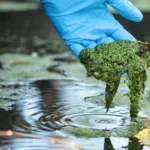
Such lethal E coli strains can infect recreational water through faecal contamination, from poor sanitation, agricultural runoff and even natural hazards like floods. E coli can live for up to three months in the water, but that depends on temperatures and other bacteria.
E. coli Infection from Swimming

Public water (swimming pools, lakes, rivers) can be infected with E.coli from faeces from people or animals. This swimming E.coli infection can be involuntary, like when a person with a diarrhoea swims in a pool, or it can come laterally, like when run-off from agriculture lands ends up in a river or lake. Polluted recreation water is harmful to the health of the public especially children, the elderly and people with weakened immune systems.
Water use that is recreational in nature can produce E.coli outbreaks caused by swallowing contaminated water. Infections with E coli by swimming are especially probable in water sources such as lakes and rivers that are not treated, but even chlorinated swimming pools can be responsible if the process of disinfection is not properly followed.
Health Risks Associated with E. coli in Recreational Water
You get a number of health issues by inhaling E.coli in the swimming pool. The most common form is gastrointestinal disease with extreme stomach cramps, diarrhoea (bloody) and vomiting. Though most of us recover within a week, some E coli infections can cause life-threatening kidney failure, called hemolytic uremic syndrome (HUS).
HUS is very problematic especially for children under five and people over 50. It’s usually started by fatigue, irregular urination, and pinking of cheeks and under the lower eyelids and should be seen at once by a doctor.
What are the common symptoms of an E. coli infection?
People exposed to E. coli often start to experience symptoms three to four days after encountering the bacteria, although it can be as soon as one day or as long as ten days. The symptoms include:
- Severe stomach cramps and abdominal pain
- Diarrhea, often bloody
- Vomiting
- Mild fever
These symptoms can last up to a week. While most people recover without medical treatment, it’s important to stay hydrated and rest. If symptoms are severe or persist for more than a few days, medical attention should be sought.
Preventing E. coli Infections While Swimming
Preventing E. coli infection when using recreational water involves a combination of personal actions and public health measures. Here are some precautions individuals can take to minimize their risk:
- Avoid swallowing water while swimming in pools, lakes, or rivers
- Refrain from swimming if you have diarrhea or have been ill with a stomach bug
- Practice good hygiene, such as washing your hands thoroughly before eating or preparing food, after using the bathroom, and after swimming
- Pay attention to public health advisories about water safety, especially during periods of heavy rainfall or flooding
Public health officials also play a crucial role in maintaining the safety of recreational water. Regular recreational water testing for bacteria, including E. coli, can help identify contamination quickly, allowing for prompt action to reduce risks to swimmers and other water users.
Testing and Treatment of Recreational Water for E. coli
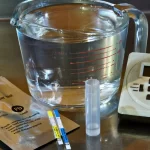
To ensure the safety of recreational water, regular testing for bacteria, including E. coli, is essential. This process involves taking water samples and analyzing them in a laboratory. If E. coli is detected, further tests may be conducted to determine if the strain of E. coli present poses a risk to human health.
When it comes to treatment, chlorination is the most common method used in swimming pools to kill bacteria, including E. coli. However, some strains are resistant to chlorine, and in these cases, additional steps may need to be taken, such as temporarily closing the facility, superchlorination, or using other disinfection methods.
What are the responsibilities of public swimming pools facility managers in preventing E. coli infection?
Recreational water facility managers have a significant role in preventing E. coli outbreaks. They are responsible for maintaining the cleanliness and safety of their facilities, which includes regular testing of water for harmful bacteria like E. coli.
- Managers must ensure regular and adequate chlorination in pools to kill off any bacteria present.
- Staff must be trained to respond to fecal incidents promptly and effectively.
- Managers should enforce rules about not swimming when ill and encourage good hygiene practices, such as showering before swimming.
Case Studies of E. coli Outbreaks in Recreational Waters
There have been several high-profile cases of E. coli outbreaks in recreational waters, both in the United States and globally. These cases serve as reminders of the health risks posed by E. coli and the importance of preventive measures.
One such outbreak occurred in 1998 in Georgia, where an E. coli O157:H7 outbreak resulted from contamination of a children’s wading pool. The incident led to seven confirmed cases, 26 probable cases, and one confirmed secondary case. It highlighted the potential for small, shallow pools to be involved in E. coli outbreaks and led to changes in recommendations for diaper-aged children in public pools.
If you’re searching for a water analysis lab near me, look no further than Olympian Water Testing™. Our dedicated team utilizes advanced techniques to examine water samples comprehensively. Trust us to deliver accurate results and valuable insights into the quality of your water.
Share this on social media:
Facebook
Twitter
LinkedIn