How Do I Know If My Water Filter Is Working?
- Published:
- Updated: January 2, 2025
Listen to this article
Summary
Ensuring your water filter is working effectively involves understanding its capabilities, checking for signs of inefficiency, and performing regular tests. This guide will help you assess your filter’s performance and maintain safe drinking water.
- Regular water testing helps identify contaminants and monitor filter performance.
- Understanding filter ratings like NSF certification, micron size, and flow rate is essential.
- Changes in taste, odor, or water appearance are key indicators that your filter may need attention.

Water quality is a critical aspect of our health and well-being. It’s something we often take for granted, especially when we have a water filter installed.
But how can we be sure our water filter is doing its job?
Understanding water filter effectiveness is key. It’s not just about having a filter in place, but ensuring it’s functioning optimally.
This article aims to guide you through the process of assessing your water filter’s performance. We’ll explore water filter ratings, the role of refrigerator water filters, and the importance of home water testing.
By the end of this guide, you’ll have a better grasp of how to maintain water quality standards in your home or workplace. Let’s dive in and explore the world of water filter effectiveness.
Understanding Water Filter Effectiveness
Water filter effectiveness is crucial for ensuring clean drinking water. Different filters target various contaminants, each with specific capabilities.
An effective filter should consistently remove impurities without compromising flow rate. This ensures both safety and efficiency in water filtration.
Regular checks on filter performance can alert you to issues before they become major problems. Monitoring these factors helps maintain quality and safety.
The Importance of Regular Water Testing
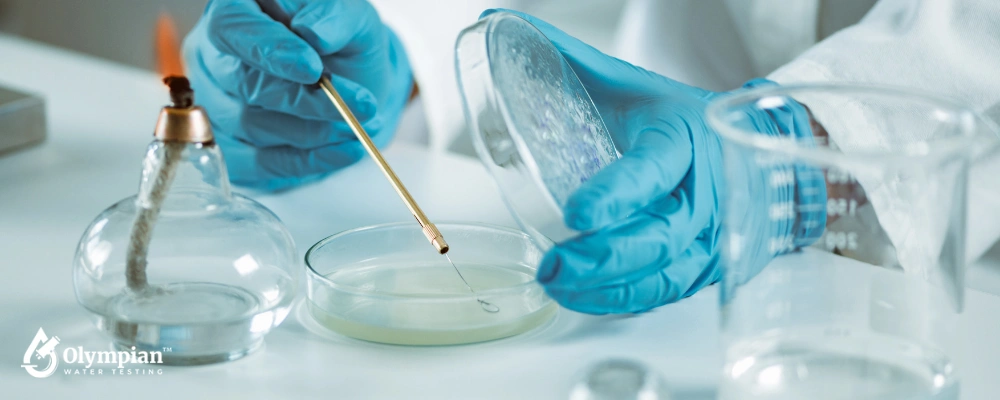
Regular water testing plays a crucial role in maintaining water quality. It provides clear insights into the types and levels of contaminants present.
Testing helps determine if your water filter is performing as expected. Frequent assessments can reveal changes in water quality that may require filter adjustments or replacements.
By routinely testing your water, you ensure that your filtration system meets necessary standards, safeguarding your health effectively.
Interpreting Water Filter Ratings
Water filter ratings are valuable indicators of performance. They provide insight into a filter’s ability to remove specific contaminants.
Understanding these ratings can be simplified through a few key points:
- NSF/ANSI Certification: Indicates compliance with public health standards.
- Micron Ratings: Measures pore size; smaller numbers denote finer filtration.
- Flow Rate: Measured in gallons per minute (GPM); higher values suggest faster filtration.
By familiarizing yourself with these components, you can make informed decisions about your water filter’s effectiveness.
Signs Your Water Filter May Need Attention
Your water filter may need attention if you notice changes in water quality. A key sign is reduced water flow, indicating potential clogging.
Another indicator is the frequency of filter replacements not aligning with manufacturer recommendations. Ignoring these signs can lead to compromised water quality.
Regular monitoring and maintenance help catch such issues early, ensuring reliable performance and safe drinking water.
Taste, Odor, and Appearance Changes
Changes in water taste, odor, and appearance are clear signals that your filter might be failing. A metallic or chlorine taste suggests filter inefficiency.
An unusual smell, such as sulfur or rotten egg, also indicates possible contamination. Additionally, cloudy or discolored water is a red flag.
These sensory changes are essential prompts to evaluate your filter’s effectiveness and consider potential replacements.
Water Testing Results and Filter Performance
Water testing results offer critical insights into filter performance. Elevated levels of contaminants like lead or chlorine point to filter inefficiency.
Testing can also reveal emerging issues not yet detectable by taste or smell. Analyzing these results helps evaluate if the filter meets your water quality needs.
Reacting to test outcomes promptly ensures that your water remains free from harmful substances.
Types of Water Filters and Their Effectiveness
Various water filters are available, each with unique abilities. Activated carbon filters excel at reducing chlorine and organic compounds, enhancing taste and odor.
Reverse osmosis systems remove dissolved solids and contaminants, delivering purified water. UV purification is effective for inactivating bacteria and viruses in water.
Understanding each type’s specific benefits helps determine the most appropriate choice for your water quality needs.
Refrigerator Water Filter Effectiveness
Refrigerator water filters play a vital role in maintaining drinking water quality at home. These filters typically use activated carbon to remove impurities like chlorine and particulates.
Their effectiveness directly influences the taste and safety of the water dispensed from your refrigerator. Regularly replacing these filters according to manufacturer guidelines ensures optimal performance.
By consistently checking for any changes in taste or smell, you can gauge the filter’s current efficiency and decide if replacement is necessary.
Point-of-Use vs. Whole-Home Filters
Point-of-use filters treat water at a specific outlet, ensuring high-quality water where it’s most needed, like the kitchen sink or shower. They’re ideal for targeting specific water quality concerns in a household.
In contrast, whole-home filters address issues throughout the entire system, safeguarding every water source in the home. This comprehensive approach is beneficial for treating widespread contaminants.
Choosing between these systems depends on your specific water quality requirements and desired scope of filtration.
Maintaining Your Water Filter for Optimal Performance
Proper maintenance of water filters is crucial for ensuring long-lasting performance and water quality. Regular maintenance tasks help prevent clogs and bacteria buildup, extending the life of the filter.
It’s important to follow the manufacturer’s guidelines for cleaning and maintenance. This ensures optimal performance and effective contaminant removal. Keeping a schedule for routine checks can help identify issues early, avoiding potential problems down the road.
When to Replace Your Water Filter
Timely replacement of water filters is essential for maintaining effectiveness. Most filters have a recommended lifespan, often based on gallons filtered or months in use.
Ignoring replacement timelines can compromise water quality, allowing contaminants to bypass the filter. Consult the manufacturer’s instructions to understand the specific replacement schedule for your filter type.
Pay attention to signs like reduced water flow or changes in taste and smell as indicators it’s time for a change.
DIY Methods vs. Professional Water Quality Analysis
DIY home water testing kits are an accessible way to monitor water filter performance. They can test for basic parameters like pH, hardness, and common contaminants.
However, professional water quality analysis offers a more comprehensive evaluation. This is particularly useful for detecting complex or less common pollutants.
Deciding between DIY testing and professional analysis depends on the level of detail needed and specific water quality concerns.
Conclusion: Ensuring Safe Drinking Water
Regularly assessing the effectiveness of your water filter is vital for safe water. By adhering to maintenance schedules and conducting periodic water tests, you can confidently ensure contaminant-free water. Remember, the effort you invest in monitoring and maintaining your water filter is crucial for protecting your health and well-being.
Share this on social media:
Facebook
Twitter
LinkedIn

Related Posts