Content
Glycols
Glycols are a class of chemical compounds that are widely used in a variety of industrial and commercial applications, including as solvents, lubricants, and coolants. There are several different types of glycols, including ethylene glycol, propylene glycol, and diethylene glycol, which have different chemical and physical properties.
Glycols can enter drinking water through a variety of pathways, including industrial discharges, the leakage of glycol-based products, and the use of glycols in agricultural and horticultural applications. Glycols are generally not regulated in drinking water and there is limited information available on the levels of glycols present in drinking water or their potential health effects.
Exposure to glycols can occur through ingestion, inhalation, and dermal contact. Ingestion of contaminated water is a significant source of exposure, particularly in areas where glycols have been used extensively and have entered the water supply through runoff or leaching. Glycols have also been found in food, including milk, meat, and eggs, due to contamination from the environment or from the use of glycol-contaminated feed.
Definition and Structure
Glycols are a category of organic compounds belonging to the alcohol family, characterized by the presence of two hydroxyl groups (-OH) attached to different carbon atoms in the molecule. The simplest and most well-known glycols are ethylene glycol (C₂H₆O₂) and propylene glycol (C₃H₈O₂). The general formula for glycols can be written as CₙH₂ₙ(OH)₂, where n is the number of carbon atoms. These compounds are typically viscous liquids, colorless, odorless, and hygroscopic. Their structure, featuring two hydroxyl groups, makes them highly soluble in water and confers unique chemical and physical properties.
Historical Background
The discovery and utilization of glycols date back to the mid-19th century. Ethylene glycol was first synthesized by French chemist Charles-Adolphe Wurtz in 1856. Its practical applications were not realized until the early 20th century, particularly during World War I when ethylene glycol was used as an antifreeze in automobile engines. Propylene glycol was first prepared by French chemist Charles Friedel and his American colleague James Mason Crafts in the late 19th century. Over time, the industrial production of glycols expanded, driven by their utility in various applications ranging from antifreeze formulations to pharmaceuticals and food products.
Chemical Properties
Glycols possess several notable chemical properties due to their dual hydroxyl groups. These groups confer glycols with high polarity and hydrogen-bonding capabilities, leading to high solubility in water and other polar solvents. Glycols have relatively low volatility, high boiling points, and are hygroscopic, meaning they can absorb water from the air. They are also good solvents for many organic and inorganic substances. Chemically, glycols can undergo oxidation to form aldehydes and acids, dehydration to form ethers, and esterification reactions with acids to produce esters. These versatile chemical properties make glycols valuable in numerous industrial and commercial applications.
Synthesis and Production
Glycols are produced industrially through several methods, depending on the type of glycol. Ethylene glycol is primarily produced via the hydrolysis of ethylene oxide, which is itself derived from the oxidation of ethylene. This process involves reacting ethylene oxide with water under acidic or basic conditions to yield ethylene glycol. Propylene glycol is synthesized through the hydration of propylene oxide, a product of the oxidation of propylene. This reaction can be catalyzed by acids or bases, resulting in high yields of propylene glycol. Both processes are highly efficient and scalable, supporting the large-scale industrial production of these glycols.
Applications
Glycols have a wide range of applications across various industries. Ethylene glycol is best known for its use as an antifreeze and coolant in automotive engines, where it prevents the freezing and overheating of engine fluids. It is also used in the production of polyester fibers and resins, which are critical in the textile and plastics industries. Propylene glycol is commonly used as a food additive, solvent in pharmaceuticals, and humectant in personal care products due to its low toxicity. Additionally, glycols are utilized in de-icing solutions for aircraft, hydraulic fluids, and heat transfer fluids in industrial processes.
Agricultural Uses
In agriculture, glycols are used in various formulations to enhance the effectiveness and stability of agricultural chemicals. Propylene glycol, in particular, is utilized as a carrier solvent in pesticide and herbicide formulations, ensuring the even distribution and absorption of active ingredients. It also serves as a humectant in animal feed, preventing feed from drying out and improving palatability for livestock. Glycols are used in veterinary medicines to deliver active ingredients and maintain the stability of formulations. Additionally, glycols can be found in greenhouse and nursery operations as components of antifreeze solutions used in irrigation systems to prevent freezing during cold weather.
Non-Agricultural Uses
Outside of agriculture, glycols find extensive use in non-agricultural sectors. In the food and beverage industry, propylene glycol is used as a food additive, solvent for food colors and flavors, and a stabilizer in a variety of processed foods. The pharmaceutical industry relies on glycols as solvents, carriers, and humectants in drug formulations, including injectables, oral medications, and topical preparations. In the cosmetics and personal care industry, glycols are found in products like moisturizers, shampoos, and deodorants, where they act as humectants and emollients. Glycols are also crucial in the production of polyurethane foams, hydraulic fluids, and industrial coolants.
Health Effects
The health effects of glycols vary depending on the type and level of exposure. Ethylene glycol is toxic when ingested, inhaled, or absorbed through the skin. It can cause central nervous system depression, metabolic acidosis, and renal failure, potentially leading to death if not treated promptly. Propylene glycol, on the other hand, is generally recognized as safe (GRAS) by the FDA for use in food, cosmetics, and pharmaceuticals. However, high doses can cause mild irritation and, in rare cases, allergic reactions. Chronic exposure to glycols in occupational settings can lead to skin and respiratory irritation, necessitating proper safety measures.
Human Health Effects
Ethylene glycol and propylene glycol have distinct impacts on human health. Ethylene glycol poisoning, often from accidental or intentional ingestion of antifreeze, can cause serious health effects, including metabolic acidosis, kidney damage, and central nervous system depression. Symptoms of ethylene glycol poisoning include nausea, vomiting, headache, and seizures. Immediate medical intervention is crucial to manage and treat ethylene glycol toxicity. Propylene glycol is considered much safer for human use. It is widely used in food, cosmetics, and pharmaceuticals, and is generally well-tolerated. However, in large amounts, it can cause skin irritation, and allergic reactions, and, rarely, lactic acidosis in susceptible individuals.
Environmental Impact
Glycols can have significant environmental impacts, particularly when released in large quantities. Ethylene glycol is biodegradable but can exert high biochemical oxygen demand (BOD) in water bodies, leading to oxygen depletion and harm to aquatic life. Spills of ethylene glycol can contaminate soil and groundwater, posing risks to ecosystems and human health. Propylene glycol is also biodegradable and generally poses lower environmental risks due to its lower toxicity. However, its large-scale use in de-icing fluids and other applications necessitates careful management to prevent environmental contamination. Regulatory frameworks and best practices aim to minimize the environmental footprint of glycol use and disposal.
Regulation and Guidelines
The use of glycols is regulated by various national and international agencies to ensure safety and environmental protection. In the United States, the Environmental Protection Agency (EPA) regulates the environmental impacts of glycol use and disposal, while the Food and Drug Administration (FDA) oversees their use in food, pharmaceuticals, and cosmetics. The Occupational Safety and Health Administration (OSHA) sets exposure limits and safety guidelines for glycol use in workplaces. Internationally, organizations like the European Food Safety Authority (EFSA) and the European Chemicals Agency (ECHA) provide guidelines for the safe use of glycols in various applications. Compliance with these regulations ensures the responsible use of glycols and protection of human health and the environment.
Controversies and Issues
The use of glycols has been associated with several controversies and issues, particularly regarding their environmental impact and potential health risks. Ethylene glycol’s toxicity and its role in accidental poisonings have led to calls for safer alternatives and stricter regulations. The environmental impact of glycol use in de-icing operations, particularly the contamination of water bodies and soil, has raised concerns among environmentalists and public health advocates. Propylene glycol, despite being considered safer, has faced scrutiny over its potential allergenic and irritant effects in sensitive individuals. These controversies highlight the need for continued research, regulatory oversight, and the development of safer and more sustainable alternatives.
Treatment Methods
Treating glycol exposure and contamination involves various medical and environmental approaches. For ethylene glycol poisoning, immediate medical treatment includes administering antidotes like fomepizole or ethanol to inhibit the metabolism of ethylene glycol into toxic metabolites, along with supportive care such as intravenous fluids and hemodialysis to remove the toxin from the body. Environmental contamination with glycols can be addressed through bioremediation, where microorganisms are used to degrade glycol residues, and physical methods like soil excavation and water treatment. In industrial settings, spill containment and proper waste management practices are crucial to prevent and mitigate glycol contamination. Effective treatment and remediation strategies are essential to manage the health and environmental impacts of glycols.
Monitoring and Testing
Monitoring and testing for glycols are crucial to ensure safety and compliance with regulatory standards. Analytical techniques such as gas chromatography (GC) and high-performance liquid chromatography (HPLC) are commonly used to detect and quantify glycol concentrations in environmental samples, food products, pharmaceuticals, and biological specimens. Regular monitoring of industrial effluents, water bodies, and soil helps identify potential contamination and enables timely intervention. In occupational settings, air and surface sampling, along with biological monitoring, ensures that worker exposure remains within safe limits. Comprehensive monitoring and testing programs are essential for managing the risks associated with glycol use and protecting public health and the environment.
References
- “Glycols.” National Library of Medicine, US National Institutes of Health, www.ncbi.nlm.nih.gov/
- “Ethylene Glycol.” Agency for Toxic Substances and Disease Registry, US Department of Health and Human Services, 18 May 2021, www.atsdr.cdc.gov/
- “Propylene Glycol.” Agency for Toxic Substances and Disease Registry, US Department of Health and Human Services, 23 Jan. 2020, www.atsdr.cdc.gov/
- “Butylene Glycol.” Agency for Toxic Substances and Disease Registry, US Department of Health and Human Services, 23 Jan. 2020, www.atsdr.cdc.gov/
- “Glycols in Drinking Water.” Environmental Protection Agency, US Environmental Protection Agency, www.epa.gov/
Glycols
| Parameter | Details |
|---|---|
| Source | Industrial processes, antifreeze, coolant spills |
| MCL | No specific MCL (regulated under broader categories) |
| Health Effects | Kidney damage, metabolic acidosis, CNS effects |
| Detection | GC-MS, HPLC, enzymatic methods |
| Treatment | Activated carbon, advanced oxidation |
| Regulations | US EPA, OSHA guidelines |
| Monitoring | Regular testing in areas of potential contamination |
| Environmental Impact | Water pollution, affects aquatic life |
| Prevention | Proper disposal, spill prevention |
| Case Studies | Antifreeze spills, industrial discharge incidents |
| Research | Treatment technologies, toxicity studies |
Other Chemicals in Water
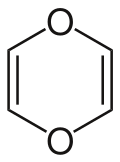
Glycols In Drinking Water
| Property | Value |
|---|---|
| Chemical Name | Ethylene glycol, propylene glycol |
| Other Names | 1,2-Ethanediol, 1,2-Propanediol |
| CAS Number | 107-21-1 (ethylene glycol), 57-55-6 (propylene glycol) |
| Chemical Formula | C2H6O2 (ethylene glycol), C3H8O2 (propylene glycol) |
| Molar Mass | 62.07 g/mol (ethylene glycol), 76.09 g/mol (propylene glycol) |
| Appearance | Colorless, odorless liquid |
| Melting Point | -12.9 °C (ethylene glycol), -59 °C (propylene glycol) |
| Boiling Point | 197.3 °C (ethylene glycol), 188.2 °C (propylene glycol) |
| Solubility in Water | Miscible |
Videos