Health and Water Quality: The Relationship
- Published:
- Updated: November 15, 2024
Summary
Access to clean water is essential for good health. Contaminants like bacteria, viruses, and chemicals in water can lead to various illnesses. Water quality depends on its physical, chemical, and biological characteristics. Measures to ensure safe water include improving treatment processes, regulating industries, protecting sources, educating the public, and monitoring quality.
- Contaminated water can cause gastrointestinal, respiratory, and skin infections, and even life-threatening diseases.
- Protecting water sources, regulating industrial discharge, and educating the public are crucial for ensuring clean water.
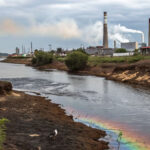
- Poor water quality not only affects human health but also harms aquatic life and disrupts ecosystems, with agriculture, industry, sewage, and natural processes being common sources of contamination.

Healthy people must have access to safe water. Understanding how important it is to maintain water quality is an essential part of making sure people have clean water. And water pollutants (bacteria, viruses, chemicals) can cause human disease. These pollutants are responsible for everything from mild illnesses to life-threatening disease.
What is Water Quality and Why is it Important for Health?
Water quality refers to the physical, chemical, and biological characteristics of water that can affect its suitability for a particular use. The quality of water can be influenced by a variety of factors, including natural processes, human activities, and environmental conditions.
Clean water is essential for maintaining good health, as it helps to prevent the spread of waterborne diseases. Contaminants in water can cause a range of health problems, including:
- Gastrointestinal illnesses: Contaminated water can cause food poisoning, dysentery, and other illnesses that affect the digestive system.
- Respiratory illnesses: Inhaling contaminated water droplets can cause respiratory infections, such as pneumonia and bronchitis.
- Skin infections: Contaminated water can cause skin infections, such as boils and impetigo, especially if it is contaminated with bacteria or parasites.
- Life-threatening diseases: In severe cases, contaminated water can cause life-threatening diseases, such as cholera, typhoid fever, and hepatitis A.
It is essential to maintain good water quality to prevent the spread of these illnesses and to ensure that everyone has access to clean and safe water.
How to Ensure Safe and Clean Water

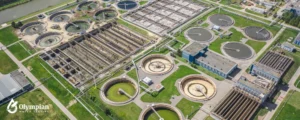
To ensure that everyone has access to safe and clean water, it is essential to implement measures to protect and improve water quality. These measures can include improving wastewater treatment processes, regulating industries, protecting water sources, educating the public, and monitoring water quality. Improving wastewater treatment processes can help to reduce the amount of pollutants released into water sources. Implementing regulations and monitoring industrial discharge can help to reduce the amount of pollutants released into water sources.
Protecting water sources, such as rivers and lakes, from contamination is essential to maintain good water quality. Educating the public about the importance of clean water and the dangers of water contamination can help to raise awareness and encourage people to take action. Regular monitoring of water quality can help to identify and address any issues with water quality. By implementing these measures, we can ensure that everyone has access to clean and safe water, and reduce the risk of waterborne diseases.
The Effects of Poor Water Quality on the Environment
Bad water quality does not just affect human health, but can have catastrophic impacts on the environment as well. Pollutants in water damage life on the water, and alter ecosystems by influencing the food web and a site’s distribution of species. Moreover, polluted water also affects soil and crops, and other water for irrigation and leisure. Bad water can leave long-term footprints and be devastating to the environment and people.
Sources of Water Contamination
Water may be polluted from many different places, such as:
Runoff from agriculture: The practices of farming (eg, pesticides, fertilisers, etc) can contaminate water sources.
Factory discharge: Companies (factories and mines) spill pollution into rivers and streams.
Sewage: The sewage, untreated or insanitary, can be a problem for drinking water.
– Natural sources: Volcanic and mineral leaching are some other natural sources of water pollution.
.Haman Activities: In addition to the use of humans (eg, garbage disposal, septic tanks), water pollution can also come from human activity.
We need to find the source of water pollution and fix it so everyone has clean, safe water.
The Importance of Proper Water Treatment
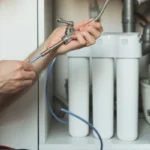
You need to treat water before drinking or other uses. Filtration, chlorination, ultraviolet disinfection are water treatment techniques that cleanse water of contaminants and impurities. Water treatment will minimise risk of water-borne illness and save lives and planet. Additionally, if water is treated effectively, then water can be a lot more attractive and tasty to drink and other purposes.
Pathogens and shield human life and environment. It can also make the water taste and look nicer to drink or use. Additionally, water treatment can make the water pass regulatory agency standards for quality and safety. If we use water treatment correctly, we can all have clean and safe water.
What are the Roles of Government and Communities in Ensuring Safe Water?
Providing water for everyone is a public-private collaboration between governments, communities and individuals. The public can contribute by creating regulations, monitoring water quality and financing treatment and distribution facilities. The public, too, can be educated, keep up-to-date on water quality and advocate for clean water. People can help, by conserving water, using water prudently, and not engaging in activities that pollute water sources. Together, governments, communities and people will be able to get everybody clean and safe water.
Share this on social media:
Facebook
Twitter
LinkedIn

Related Posts