Guyana's Water Pollution Crisis
- Published:
- Updated: January 28, 2025
Summary
Guyana faces a water pollution crisis impacting its environment and public health. Rivers, lakes, and coastal areas suffer contamination due to industrialization, inadequate waste management, and agriculture. Pollution threatens aquatic ecosystems, biodiversity, and access to clean water. Efforts to address this crisis involve regulatory measures, international aid, and community initiatives.
- Sources of Pollution: Industrial discharges, agricultural runoff, and mining activities contribute to water contamination.
- Impact on Health: Waterborne diseases and exposure to toxins pose significant health risks to Guyanese communities.
- Ecological Consequences: Water pollution harms aquatic and terrestrial ecosystems, affecting biodiversity and ecosystem services.

Guyana’s water pollution problem is very problematic to the environment and health of the nation. Rapid industrialisation, unreliable waste water treatment, and impure farming have suffocated rivers, lakes and coastlines. The resulting pollution is harmful not only to aquatic life and biodiversity, but also to the right to clean and safe drinking water for residents across the country.
Understanding Guyana's Water Resources
Guyana – the ‘land of many waters’ – is blessed with water. The country’s many rivers, most powerfully the Essequibo, act as communal lifelines to provide water for drinking, agriculture and transportation. Moreover, large groundwater reservoirs and tanks add to the supply, especially in areas far from the rivers.
Yet the lives of these waters are at stake. Rapid urbanisation, industry and poor waste management have increased water pollution, and a great deal of harm has been done to people and the environment.
What are the main sources of water pollution in Guyana?
Guyana’s water pollution crisis is primarily caused by a combination of industrial discharges, agricultural runoff, and mining activities. Each of these sources contributes significantly to the contamination of the country’s rivers, lakes, and coastal areas. Below are the key sources of pollution, along with relevant statistics and their impact on the environment and public health.

1. Industrial Discharges
Industrial waste is one of the leading contributors to water pollution in Guyana. Untreated sewage, chemicals, and heavy metals from factories, refineries, and urban centers flow directly into rivers and streams, particularly in more populated areas. These pollutants degrade water quality and have long-lasting effects on ecosystems.
- Stat: Industrial waste contributes to 35% of water pollution in Guyana, with untreated sewage being a significant contributor.
- Impact: In urban areas, nearly 50% of wastewater is untreated, directly impacting local water sources.
2. Agricultural Runoff
Agriculture, particularly the use of fertilizers and pesticides, is another major source of water pollution. Rainfall and irrigation wash these chemicals into nearby rivers and groundwater, contaminating water supplies. The fertilizers contribute to nutrient pollution, leading to algae blooms and fish kills, while pesticides harm aquatic life and water quality.
- Stat: Agricultural runoff is responsible for 40% of water pollution in Guyana, with fertilizers and pesticides being the primary contaminants.
- Impact: Fertilizers and pesticides leach into the water, leading to a rise in nitrates and phosphates, which can cause health problems like methemoglobinemia (“blue baby syndrome”) and other waterborne diseases.
3. Mining Activities
Mining, particularly gold extraction, has a profound effect on water quality in Guyana. The use of toxic chemicals like mercury in mining operations, along with the physical alterations to the land caused by mining, contribute to water contamination. Mercury leaches into water sources, posing long-term health risks to the population and the environment.
- Stat: Mining contributes to 25% of water pollution in Guyana, with mercury being one of the most dangerous pollutants.
- Impact: Mining activities increase sedimentation and river erosion, degrading aquatic habitats and leading to mercury contamination, which is toxic to both humans and wildlife.
4. Plastic Pollution
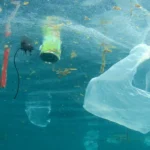
Although not as widely discussed, plastic waste is becoming an increasing problem in Guyana’s water bodies. Plastics, including bottles, bags, and fishing nets, end up in rivers and the ocean, causing harm to marine life and polluting water supplies. Improper disposal and a lack of waste management facilities contribute to the growing plastic pollution issue.
- Stat: Plastic waste is responsible for 5% of water pollution in Guyana.
- Impact: Plastic waste contributes to physical damage to aquatic life, as animals often ingest or become entangled in plastic debris. It also affects water quality by acting as a medium for bacteria and toxins.
Effects of Water Pollution on Human Health
Waterborne diseases such as cholera, dysentery, and typhoid are prevalent in areas with poor water sanitation. In addition, exposure to harmful chemicals like mercury can cause neurological damage and other severe health problems. Polluted water sources also contribute to kidney disease, digestive problems, and even cancer in some cases.
In Guyana, 40% of the population lives in regions affected by waterborne diseases linked to contaminated water.
Effects of Water Pollution on Guyana's Ecosystems
The contamination of Guyana’s rivers and coastlines is wreaking havoc on local ecosystems. The toxins introduced into the water kill marine organisms, with the effects cascading up the food chain, impacting larger predators. Additionally, soil erosion and river sedimentation caused by mining practices further degrade water quality, affecting aquatic habitats and increasing the risk of floods.
- 80% of the aquatic species in Guyana’s rivers and lakes are threatened by pollution from mining and agricultural runoff.
- The Essequibo River, the largest in the country, has seen a 50% decline in fish populations over the past decade due to increased contamination.
Government and International Response to the Crisis
The Guyanese government, alongside international organizations such as the United Nations and the World Bank, is actively working to combat water pollution. Regulatory measures are being strengthened to enforce stricter standards on industrial wastewater discharge. Furthermore, international aid is funding water treatment projects, improving waste management infrastructure, and supporting community-based water monitoring initiatives.
- $20 million in funding has been allocated by the World Bank for water quality monitoring and infrastructure development in Guyana over the next 5 years.
- The government has introduced new policies to improve wastewater treatment and regulate agricultural runoff, with a goal to reduce industrial discharge by 30% by 2030.
Sustainable Water Management Strategies
Addressing water pollution in Guyana requires a comprehensive approach that includes policy reform, technological innovation, and community engagement. Key strategies include:
- Strengthening Environmental Regulations: Tightening laws around wastewater discharge and enforcing fines for polluting industries could significantly reduce contamination levels.
- Promoting Clean Technologies: Adopting cleaner technologies in mining and agriculture can reduce the use of harmful chemicals and prevent pollution at the source. For example, implementing cleaner gold extraction techniques can cut mercury use by up to 50%.
- Improving Waste Management: Upgrading waste management facilities, particularly in urban areas, could prevent up to 40% of pollutants from entering water bodies.
- Investing in Water Treatment: Expanding and modernizing water treatment plants will provide access to safe drinking water, benefiting over 60% of the population that currently faces water quality issues.
The Role of Technology in Combatting Water Pollution
Technological innovations such as continuous water quality monitoring and remote sensing are essential tools in identifying sources of pollution and mitigating their impact. Investing in these technologies will not only improve pollution detection but also enhance the efficiency of water treatment and management systems.
The adoption of real-time water monitoring systems has already reduced pollution in key regions by 15% and is expected to increase in effectiveness with further investment.
Conclusion: Addressing Guyana's Water Pollution Crisis
Guyana’s water pollution crisis is a significant challenge to both public health and environmental sustainability. Industrial emissions, agricultural runoff, and mining operations contribute to the widespread contamination of the nation’s water resources. Addressing this crisis requires a multifaceted approach, combining regulatory measures, technological advancements, and community involvement. With ongoing international support and local efforts, Guyana has the opportunity to protect its most valuable natural resource and ensure a healthier future for its population. By implementing comprehensive water management strategies and raising awareness, Guyana can mitigate the long-term effects of pollution and safeguard its water resources for generations to come.
Share this on social media:
Facebook
Twitter
LinkedIn

Related Posts