Guaranteeing Safe and Accessible Drinking Water in Rural Communities
- Published:
- Updated: December 16, 2024
Listen to this article
Summary
With a glass of water in hand, the quest for safe drinking water in rural areas unfolds:
- Challenges: Distance from treatment facilities, contamination risks, and lack of infrastructure hinder access.
- Importance: Vital for health, economic development, and gender equality in rural settings.
- Solutions: Community-based treatment systems, borehole drilling, rainwater harvesting, and portable water treatment options.

Provide reliable and easy access to clean drinking water in rural areas, a matter of importance to the wellbeing of millions of people. Despite all of the advancements in recent years, there are still many rural areas where there is no access to clean and safe water, leading to grave illness. If you want every person to have safe drinking water, you need to spend money on infrastructure, education and people power. Together, we can get people everywhere safe drinking water.
What are the Challenges of Providing Safe Drinking Water in Rural Communities?
Rural areas often have special access to clean water. Rural areas are often far from central water treatment stations and transportation of filtered water there is difficult and costly. Furthermore, rural areas might not have facilities or resources to purify and disseminate water and the population may not have ready access to fresh water.
The number-one problem confronting rural people is contaminants in water supply. The waters that come from nature, rivers and lakes, might be contaminated by agricultural or industrial chemicals or pollutants. Or the groundwater can be polluted with pathogens or toxic chemicals due to improper sanitation or leaching from nearby landfills.
In addition, rural communities are left without access to basic water and sanitation. In a lot of rural areas, you can have to settle for natural wells or springs, which might be untreated and polluted. What’s more, many rural communities might not have access to toilets or other simple sanitation services, putting more pressure on the water and spreading water-borne diseases.
The Importance of Safe Drinking Water for Rural Communities

Clean and easily available water is critical to rural people’s health and welfare. Clean water saves us from diseases caused by the water itself, such as cholera and dysentery, which destroy populations, especially children and elders.
Not only will it promote health but access to pure drinking water can contribute to rural economic development. With a fresh water supply, people can plant vegetables and undertake other economic activities relying on water availability.
Also, access to clean water can increase gender equality in the countryside. Women and girls are usually the ones hauling water, and can need to go far distances to obtain contaminated water. Ensuring that water is clean and within walking distance can empower women and girls, while also taking away some of the heavy work associated with collecting water.
What are the Solutions for Providing Safe Drinking Water in Rural Communities?
To address the challenges facing rural communities in accessing safe drinking water, a variety of solutions have been implemented. Some of these solutions include:
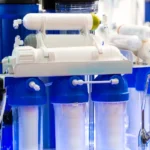
- Community-Based Water Treatment Systems: Community-based water treatment systems are designed to provide safe drinking water to rural communities. These systems typically involve the treatment of water from local sources, such as rivers or lakes, through a series of filtration and disinfection processes. The treated water is then stored in a central location and distributed to the community through a network of pipelines or taps.
- Community-based water treatment systems can be a cost-effective solution for rural communities, as they allow residents to access clean water close to their homes. Additionally, these systems can be designed and managed by the local community, which helps to ensure that residents have a stake in maintaining the quality and sustainability of the water supply.
- Borehole Drilling and Hand Pumps: Borehole drilling and hand pumps are another solution for providing safe drinking water to rural communities. Boreholes are deep wells that are drilled into the ground to access groundwater, while hand pumps are used to extract water from these wells.
- Borehole drilling and hand pumps can be a cost-effective solution for rural communities, as they allow residents to access clean water close to their homes. Additionally, hand pumps are easy to maintain and repair, which helps to ensure the sustainability of the water supply.
- Rainwater Harvesting: Rainwater harvesting is a solution for providing safe drinking water in rural communities that involves collecting and storing rainwater for later use. This method can be particularly useful in areas that experience seasonal rains, as it provides a source of water during the dry season.
- Rainwater harvesting systems can be simple and cost-effective, as they typically involve the use of catchment systems, such as roofs and gutters, to collect rainwater. The collected water is then stored in tanks or cisterns and can be used for a variety of purposes, including drinking and irrigation.
- Water Treatment Tablets and Filters: Water treatment tablets and filters are portable and easy-to-use solutions for providing safe drinking water in rural communities. These products work by removing contaminants, such as bacteria and viruses, from water sources.
- Water treatment tablets and filters can be a convenient solution for rural communities, as they allow residents to access clean water even when traditional water sources are unavailable or contaminated. Additionally, these products can be inexpensive and easy to distribute, making them a practical solution for communities with limited resources.
The Role of Governments in Providing Safe Drinking Water
Governments are in charge of providing drinking water to villages. Investing in the infrastructure and resources to clean and share water, as well as policies and regulations to prevent contamination of water supplies. Governments too can collaborate with NGOs and communities to identify and implement solutions specifically designed for rural communities’ needs and concerns.
Not only can governments provide infrastructure and resources, but they can also offer training and education programmes for communities in water treatment and sanitation. This ensures that residents know and can use what they have been taught to keep their water clean and sustainable.
The Importance of Community Involvement in Providing Safe Drinking Water
Every program for rural communities to have access to safe water needs the participation of the people. Participating in the design and implementation of water projects will allow people to own their water and make sure they get what they want.
Water projects can also be made sustainable through local participation. As long as the local communities are invested in water supply, they’re inclined to act to keep and repair infrastructure, and save water. Then there’s the local community engagement — which in turn can create trust between residents and government or NGO partners, and is an important element in the success of water projects in rural areas.
The Importance of Sustainable Water Management in Rural Communities
Water management needs to be sustainable to ensure rural people have access to clean water, now and in the future. These include safeguarding water bodies from contamination, reducing water waste and waste, and responsibly and sustainably using water resources.
Sustainable water use also requires considering the consequences of water infrastructure for people and the natural world over the long term. It includes consideration of whether or not water infrastructure will harm local ecosystems, whether we will eventually run out of water, and whether we’ll need to save water for the future.
With responsible water management, the rural areas can rest assured that they don’t lose their water supply and that they will have safe, clean water for generations to come. This can lead to better health, better economic growth, and more rural populations.
Share this on social media:
Facebook
Twitter
LinkedIn

Related Posts