Giardia and Cryptosporidium Resistant to Disinfection: Emerging Concerns in Water Treatment
- Published:
- Updated: July 9, 2025
Listen to this article
Summary
Giardia and Cryptosporidium are waterborne parasites that cause gastrointestinal illnesses and have developed resistance to traditional water disinfection methods like chlorine. These hardy organisms can contaminate water sources through sewage, animal waste, and natural disasters. Emerging technologies such as UV disinfection, ozonation, and advanced filtration offer promise in combating these pathogens.
- Giardia and Cryptosporidium are resistant to chlorine due to their protective outer shells.
- Contaminated water leads to illnesses like giardiasis and cryptosporidiosis.
- New treatment technologies, including UV light and ozonation, are more effective than traditional methods.

Pure water is living. But if it’s dirty, it can be the way of disease and infection. Among the biggest and most frightening problems facing our water supplies today are the rise of water-borne pathogens like Giardia and Cryptosporidium that are no longer resistant to classical disinfection methods.
The Giardia and Cryptosporidium
Giardia and Cryptosporidium: Microparasites causing intestinal disease in humans and animals. They are hardy species that can live in a hostile setting for years, usually where it is wet. The outer shell of both parasites is resistant to temperature extremes and to conventional disinfectants such as chlorine.
Giardia is also the cause of giardiasis, which causes diarrhea, gas and vomiting. Then there is Cryptosporidium, which leads to cryptosporidiosis, with very similar symptoms, but potentially fatal if the host has a compromised immune system. Both are known to travel by the faecal-oral route, with water a common reservoir.
How Water Gets Contaminated

We have many ways in which our water can be infected with Giardia and Cryptosporidium. Mostly it’s what happens when untreated sewerage or farm manure finds its way into our water supply. Nature disasters such as floods can also bring this situation crashing down with the poo that’s washed downriver, lake and reservoir. It also can happen when the infected excrement is put to use in the field and gets into groundwater.
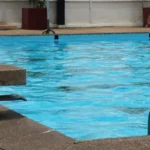
Urban sewage treatment plants with dated or failing systems can also spill these parasites into waterways. Even ordinary activities such as swimming can be contaminated if infected people deliberately release the parasites into the water.
Mechanisms of Resistance
It is their disinfectant resistance that most explain Giardia and Cryptosporidium being such hardy organisms. Their thick shell – cyst wall – insulates them against a chemical like chlorine commonly found in water treatment. Moreover, under extreme conditions of environment, these parasites may also go into an immature state, the cyst or oocyst phase, in which they become less susceptible to disinfection.
Even more, these parasites’ resistance could be reinforced by their life history. They will be more likely to survive and multiply if they produce large quantities of cysts or oocysts. When consumed, these tough cysts or oocysts survive the rigours of the stomach and make their way into the intestine where they become their pathogenic cousin.
The Limits of Current Disinfection Methods

Conventional disinfection methods such as chlorination and filtration were not effective against Giardia or Cryptosporidium. The bleach is great against most bacteria and viruses, but it cannot cut the tough shell off these parasites. The cysts or oocysts will stay in chlorinated water for days to months, depending on chlorine level and temperature.
The filter can’t be filtered successfully if the pore size of the filters is bigger than the cyst or oocyst. Moreover, filters will not be able to get rid of every cyst or oocyst, especially if they are mixed or embedded with other particulates. Hence, even when disinfection and filtration facilities are in place, treated water can still lead to infection.
Monitoring for Giardia and Cryptosporidium
Water detection is tricky with Giardia and Cryptosporidium because they are very small, and water matrices are complex. Classic microscopy takes a lot of time and is extremely skilled. Molecular techniques such as polymerase chain reaction (PCR) are sensitive and specific but expensive and technical.
Not only that, but these parasites are intermittently shed and in relatively low levels in the water. And that there are no uniform techniques for detecting these pathogens only complicates matters further.
Case Studies of Outbreaks

For an understanding of the enormity of this problem, consider two outbreaks from the past. In 1993, Milwaukee in Wisconsin suffered the most powerful recorded outbreak of waterborne disease in U.S. history. More than 400,000 people contracted cryptosporidiosis after drinking water was contaminated.
In 1987, thousands were ravaged by giardiasis in Carrollton, Georgia, and gastrointestinal distress went round the world. These cases make it very clear that waterborne Giardia and Cryptosporidium are both dangerous for public health and we must act quickly to reduce it.
Emerging Water Treatment Technologies
New water treatment technologies are showing promise in the fight against Giardia and Cryptosporidium. Here are a few:
- Ultraviolet (UV) disinfection: UV light can inactivate Giardia and Cryptosporidium without producing harmful byproducts. However, it’s effectiveness can be reduced by water turbidity and other particles in the water that can shield the parasites.
- Ozonation: Ozonation is effective at inactivating Giardia and Cryptosporidium. The ozone gas can penetrate the cyst wall and kill the parasites. However, ozonation facilities are more expensive to build and operate than traditional chlorination facilities.
- Advanced filtration systems: Membrane filtration, slow sand filtration, and bank filtration are some methods that have been found effective against these parasites. Each has its pros and cons, and the choice often depends on the specific conditions and resources available.
Preventative Measures and Water Safety Tips

To protect ourselves from Giardia and Cryptosporidium, here are a few tips:
- Ensure your water source is safe. If uncertain, boil the water for at least 1 minute to kill any parasites.
- Be cautious when swimming in pools, lakes, or rivers, and avoid swallowing the water.
- Practice good hygiene. Wash your hands often, especially before handling food and after using the toilet.
- If you have a private well, consider getting your water tested regularly.
The threat posed by Giardia and Cryptosporidium resistant to disinfection in our water supply is real and pressing. Yet, with advancements in water treatment technologies and a heightened awareness of preventive measures, we can work towards ensuring safe water for everyone.
Conclusion
Giardia and Cryptosporidium’s inability to respond to conventional disinfection techniques are the biggest problem water treatment plants face around the world. They have cysts and oocysts that make them resistant to chlorination and live in treated water for decades. That opens the door to mass outbreaks, such as those that swept through Milwaukee and Carrollton in the past, where contaminated water infected hundreds of thousands.
Such problems can only be solved by using more sophisticated technologies such as ultraviolet disinfection, ozonation and tailored filtration systems. These techniques prove more effective against these tolerant parasites, but they involve big investments and infrastructure. But it’s not just technology, it’s public awareness and personal prevention, boiled water and hygiene, that help minimize the risk of Giardia and Cryptosporidium. By combining novel treatments and local action, we can lower the threat of these pathogens and make water safer for all.
Share this on social media:
Facebook
Twitter
LinkedIn

Related Posts