Strategies for Eliminating Lead from Drinking Water
- Published:
- Updated: December 16, 2024
Listen to this article
Summary
Strategies for eliminating lead from drinking water are essential for public health:
Replace Lead-Based Plumbing: Replacing lead-based plumbing materials in older buildings with lead-free alternatives can significantly reduce lead contamination.
Water Quality Testing: Regular testing of water supplies for lead and other contaminants is crucial for identifying and addressing lead contamination issues.
Water Treatment: Implementing water treatment processes, such as corrosion control treatments, can help prevent lead leaching from pipes into the water supply.

Lead contamination of water is a huge health threat especially to small children and pregnant women. Lead can be long-term toxic to cognitive and physical growth, so we need to eliminate it from our water. Fortunately, there are several good ways in which lead can be completely eliminated from water supply and water is safe and healthy for all.
What is Lead and How Does it Get into Drinking Water?
The heavy metal lead is poisonous and widely used in everything from pipes, solder and plumbing fixtures. However toxic lead can be, it was still used to build houses and public structures for most of the 20th century, and many older structures still have lead-based construction.
lead enters water via a variety of mechanisms: the corrosion of lead-containing plumbing materials; lead leaching from soil and other surfaces to groundwater; and lead discharge from industrial and agricultural processes.
The Health Risks of Lead in Drinking Water

drinking water lead is an enormous public health issue as very small levels of lead can have enormous consequences for the human body. Lead is an intoxicating metal with all manner of negative effects, from brain damage to developmental delay and cardiovascular disease. The most exposed are children and pregnant women, where lead travels through the placenta and damages the developing foetus. Leaking in water is a public health priority that requires both private effort and public policy to make sure that all people have clean, safe water.
What Can You Do to Reduce Your Risk of Lead Exposure?
In addition to the strategies for reducing lead in drinking water, there are also steps that individuals can take to reduce their risk of lead exposure. Some of the most effective steps include:
- Drinking bottled water: If you are concerned about the presence of lead in your water supply, drinking bottled water can be a safe and effective alternative.
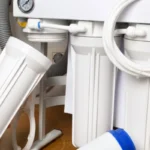
- Installing a water filtration system: Installing a water filtration system, such as a reverse osmosis system or a carbon filter, can effectively remove lead and other contaminants from the water supply.
- Avoiding the use of hot tap water: Lead is more likely to dissolve in hot water, so it is best to avoid using hot tap water for cooking or drinking. Instead, use cold water or allow the hot tap water to run for a few minutes before using it to reduce lead exposure.
- Replacing lead-based plumbing fixtures: If you live in an older home, consider replacing lead-based plumbing fixtures with lead-free alternatives. This can help to reduce the risk of lead exposure and to ensure that you have access to safe, clean drinking water.
- Monitoring the water supply: Regularly monitoring the water supply can help to identify the presence of lead, and to take steps to reduce exposure. This can include testing the water supply and monitoring changes in water quality.
The Importance of Educating Communities about Lead in Drinking Water
Community awareness of lead risks in water is important so that all citizens are aware of the hazards and can avoid exposure. As people are made aware of the dangers of lead in drinking water, residents can be equipped to mitigate the exposure: drink bottled water, install water filtration systems, and don’t consume hot tap water.
The local education programs can also educate about regular water quality monitoring and ways that people can lower their exposure to lead. This can include telling you where lead in drinking water comes from, how dangerous it is to your health when you drink it, and how to keep drinking water free of lead.
The Role of Government in Regulating Lead in Drinking Water
It is the government that also regulates lead in water – it has standards for water quality, and it collaborates with water companies to ensure these are adhered to. That means checking the water supply for lead and other contaminants, and limiting exposures through things like replacing lead-based plumbing fixtures and water filtration systems.
It could also finance the testing and treatment of water, so everyone can have clean, safe drinking water, and so on that government can also support it. Such funding can range from research on novel and creative ways to minimise lead in drinking water to community education.
The Role of Water Providers in Ensuring Safe Drinking Water
Water suppliers, too, help to make sure that the water source is lead and other contaminants free. It’s about testing the water source frequently for lead and other contaminants, and making steps to minimize exposure such as replacing lead-based plumbing products and water filters.
Similarly, water suppliers could collaborate with authorities and communities to educate on the risks of lead in water and inform about how to avoid exposure. This can be by disclosing where water comes from contaminated with lead, what lead-related health hazards can result, and what can be done to reduce lead exposure.
Share this on social media:
Facebook
Twitter
LinkedIn

Related Posts