Essential Role of Water Quality in Building Projects
- Published:
- Updated: December 16, 2024
Listen to this article
Summary
Water quality is crucial in building projects for various reasons:
Longevity and functionality: Poor water quality can lead to corrosion, clogging, and scaling in pipes and water heaters, reducing their efficiency and longevity. This can result in costly repairs and maintenance issues.
Health and safety: Contaminated water can negatively impact the health of building occupants, causing skin irritation, eye irritation, and even serious illnesses. Waterborne diseases like Legionnaires’ disease can also pose significant health risks.
Efficiency and performance: High-quality water ensures the efficient operation of building systems such as plumbing, heating, and cooling. Hard water, for example, can reduce the efficiency of water heaters and increase energy consumption.

The water quality can make or break a building project. From the durability of the building to the health and safety of its people, water quality in a construction project can have repercussions that stretch far and wide.
The Importance of Maintaining Water Quality
Quality of water for construction works matters for several reasons. Low-quality water can be corrosion, clogging and scaling, which result in expensive repair and maintenance needs. The health of building occupants and the effectiveness and operation of the building systems can also be affected by contaminated water.
Hard water, for example, can result in mineral deposits in the pipes and water heaters that diminish their performance and can cause leaks and other problems. The same goes for water that is high in chlorine or other pollutants which corrosion and other damage to pipes, valves, and so forth reduces the flow of water and thus uses more energy.
The Consequences of Poor Water Quality

Low water quality can impact many other areas of a building and could affect how long and how well a building operates. Minerals from hard water may clog pipes and water heaters making them less effective and causing leaks and more. So can mineral-rich water, which can clog boilers and cooling towers and reduce their efficiency and risk failure.
A bad water quality can affect building residents as well. In water contaminated with bacteria, chemicals or other contaminants, the skin can become inflamed, the eyes can be irritated, and there are other problems. At worst, sewage water can lead to deadly disease, like Legionnaires’ disease.
Ensuring Water Quality in Building Projects
Building contractors have to go through the steps of water treatment, water testing and energy efficiency to keep the water in their building project safe. : Water tests can be done regularly to monitor contaminants and other contaminants and make appropriate water treatment decisions.
It is also a good idea to work with a water treatment professional to construct and install a water treatment system that is suitable for the building as a whole. : this could be filtration, chemical treatment, or other water treatment systems to make sure the water is hygienic and safe for consumption.
Construction firms can do something to make the structure energy-efficient by using less water in processes. Use low flow toilets, faucets, and showerheads to conserve water as well as save you money.
Regulating Water Quality for Building Projects
Water quality is managed by the municipal level in construction projects. Standards for water quality set by building codes and standards, limiting contaminants and other substances that are allowed for construction work.
In order to stay on top of the new trends and laws surrounding water quality for construction sites, construction companies can attend trade shows, membership in professional groups, and periodically study codes and rules.
The water used in construction is of such a high quality that the structure and the people inside will have enough time to function and stay healthy. In taking proper steps towards water quality builders can help make the building projects of theirs successful and build structures that are safe, efficient and functional.
The Role of Water Treatment in Maintaining Water Quality
Water treatment is important for water supply in buildings. Filtration, chemical treatment, or whatever water treatment is applied to purge contaminants and other substances from the water being consumed within a structure.
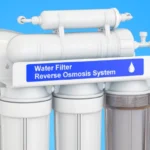
It is possible to tailor water treatment systems for a specific problem, like excessive mineral, bacteria, or chemical concentrations. Reverse osmosis systems can be used to get minerals and other materials out of water and UV systems are great for killing bacteria and other microorganisms.
The water treatment systems can even make a building more energy efficient. Using a water softener system will help you minimize mineral deposits in pipes and water heaters which will be efficient and save you money on energy bills.
The Benefits of High-Quality Water in Building Projects
The uses for the quality water during construction projects are numerous and can influence the life-span, functionality and health of the building. Using quality water, construction contractors can:
Avoid corrosion, clogging and scaling.
Increase the efficiency and functionality of the building’s system.
Avoid leaks and other problems a lot.
Save building occupants’ health.
Increase the energy performance of the building.
It is all in all: water used in construction matters, and builders are in a position to contribute towards safe, efficient, functional buildings by taking care of water quality.
The Importance of Regular Water Testing
Regular water testing is a must to guarantee the quality of water used for construction. When builders regularly test the water, they can observe its concentration of contaminants and other elements and know how to clean the water properly.
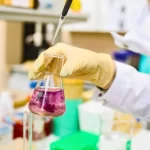
Chemical testing, microbiological testing, and physical testing are just some of the different ways of testing water quality. Chemical testing can identify contaminants like chlorine and heavy metals; microbiological testing detects bacteria and other microbes. By conducting physical tests, one can determine physical properties of the water like temperature and pH.
Water testing can be performed every few months because this helps builders see if there are any water quality problems, and address them before they’re major. By aetiologically testing the water, builders can rest assured that the water they are working with is clean, safe, and good.
The Benefits of Energy-Efficient Water Practices
Developers can also do their part to make their building work more energy efficient by decreasing the water consumption of various processes. We can do this in various ways — with low-flow toilets, faucets, showerheads and other water-efficient technologies.
Builders save resources and energy costs by conserving water inside the building. That can mean lower energy costs for building tenants and a lesser environmental footprint. By using less water, builders can reduce pressure on the local water supply and make sure everyone gets enough.
With smart water systems installed during construction, contractors can make a stand on sustainable development and build a better, more sustainable future for all.
The Importance of Professional Water Treatment Services
Contacting a specialized water treatment company is a great way to protect the water that goes into building projects. The expert water treatment companies can also help developers plan and execute water treatment solutions tailored to the building type and size, depending on the building’s dimensions, the water used, and what contaminants and other substances are present in the water.
Professional water treatment companies can even train builders to remain up-to-date with the newest technologies and products in water treatment, giving access to cutting-edge technologies that will help clean water and reduce issues. Choosing a professional water treatment service also gives builders the knowledge and experience that a water treatment service should have to offer to get the water treatment system installed and designed properly.
The Role of Local Governments in Regulating Water Quality
Localities are the regulators of water quality in building construction projects. This is because building codes and regulations set the minimum water quality levels – contaminants and other elements – that can be allowed to be used in construction projects.
Building contractors can also work to make sure that the water being produced for construction is both good quality and safe for building by adhering to these guidelines. Working with the local authority and in accordance with the laws, builders will show that they care about the safety and wellbeing of building occupants and will contribute to building safe, effective and efficient structures.
Builders should also be kept informed about the latest laws and changes in water quality for building construction. By being present at trade shows, being members of professional associations, and regularly consulting building codes and standards, contractors can ensure they are following all the regulations and standards and their building projects are completed using only the best water.
It is local governments who are responsible for managing water quality for construction projects that protect and ensure the safety and health of building residents and design buildings that are safe, efficient and productive. As long as builders adhere to the regulations and interact with local authorities, they can help to make sure the water for building projects is clean and safe to drink.
The Benefits of Staying Up to Date on Water Quality Developments
Making sure to be informed about current water quality issues and construction projects regulations is a must for any building contractor who is seeking to make sure their building projects succeed and design buildings that are safe, effective, and functional. Builders can be up to date on the latest developments and best practices in water quality and make educated decisions about how to maintain the quality of the water that is used in their construction by attending industry conferences, joining professional organizations, and reviewing building codes and regulations.
Information on developments related to water quality can ensure builders stay in the know when it comes to water treatment technology and methods. By staying updated, contractors can get access to the latest technology that will maintain a better quality of water without risking issues.
By learning about water quality standards and best practices, construction companies can show that they care about the health and safety of building tenants and create a healthier, safer future for all.
This quality of water for building work is one of the most important decisions that can determine how long, functional and healthy the building and its people are. If builders take the proper measures to maintain water quality such as testing the water frequently, putting it through water treatment, and using efficient technology, their construction projects will be successful and they will design structures that are safe, efficient, and functional.
Share this on social media:
Facebook
Twitter
LinkedIn

Related Posts