Understanding the Microplastic Problem
Microplastics, smaller than five millimeters, are now a major concern. They’re found in oceans, rivers, and even human blood. To address this, we must grasp their definition, characteristics, and sources.
There are two types of microplastics: primary and secondary. Primary microplastics, like microbeads in exfoliating scrubs, are made small on purpose. They easily get through water filters and into waterways. Secondary microplastics come from the degradation of larger plastics, such as bottles and synthetic fibers from clothes.
Sources of Microplastics in the Environment
Microplastics come from several sources:
- Personal care products with microbeads
- Synthetic fabrics, like polyester, shedding microfibers during wash
- Industrial waste and plastic degradation from bigger items
- Sewage sludge used as fertilizer on farmland
The table below shows the extent of microplastic contamination in various environments:
| Environment | Microplastic Contamination Range |
|---|---|
| Bottled Water | 110,000 to 400,000 fragments per litre |
| European Farmland | 86 trillion to 710 trillion particles per year |
| US Farmland | Nearly 20 million acres contaminated by sewage sludge |
The presence of microplastics in the environment is alarming. They can harm aquatic life by being mistaken for food, causing malnutrition or blockages. They also carry toxins like pesticides and heavy metals, which can affect human health through the food chain.
Health Risks Associated with Microplastics
Microplastics are increasingly found in our environment, raising health concerns. These tiny plastic particles, smaller than 5 millimeters, can enter our bodies through contaminated water and food. Studies have highlighted the dangers of long-term exposure to these fragments and the chemicals they carry.
Potential Pathways for Microplastics to Enter the Human Body
Research has found microplastics in various human organs, including the lungs, liver, and brain. They can enter our bodies through several means:
- Ingestion of contaminated water and food
- Inhalation of airborne microplastics from urban dust and vehicle emissions
- Absorption through the skin via personal care products containing microbeads
Current Research on Microplastics and Human Health
A 2022 review of nearly 2,000 studies suggests microplastics harm human health. They are linked to reproductive, digestive, and respiratory issues, and may increase cancer risk. Animal studies indicate they can reduce fertility and raise cancer risk in the digestive tract.
Microplastics can carry harmful chemicals like BPA and PFAS. These chemicals mimic human hormones, potentially leading to infertility, poor fetal development, and cancer. Many of these chemicals are untested due to lack of regulations.
Potential Long-Term Effects of Microplastic Consumption
Research on long-term effects of microplastic exposure is ongoing. Scientists have identified several risks:
| Health Concern | Potential Mechanism |
|---|---|
| Cardiovascular disease | Microplastics in blood vessels may increase the risk of heart attack, strokes, inflammation, and blood clotting |
| Reproductive issues | Chemical additives in microplastics can disrupt the endocrine system, leading to infertility and developmental problems |
| Cancer | Chronic inflammation caused by microplastics and their associated chemicals may increase the risk of certain cancers |
| Immune system damage | Microplastics can trigger inflammatory responses and potentially weaken the immune system over time |
As research continues, it’s vital to understand the health risks of microplastic ingestion.

To minimize exposure, individuals should avoid single-use plastics, reduce plastic-packaged food consumption, and use non-plastic containers for cooking and storage.

Microplastics in Tap vs. Bottled Water
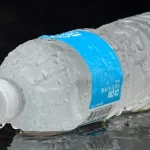
Many believe bottled water is safer than tap water, but recent studies show this isn’t always true. Bottled water can actually contain more microplastics than tap water. This is due to the production process and the materials used in plastic bottles, challenging our views on bottled water purity.
Research indicates a liter of bottled water contains nearly a quarter million plastic particles. This is 10 to 100 times more than previously thought. Those who drink bottled water may ingest 90,000 microplastics annually, compared to 4,000 for tap water drinkers. This stark contrast emphasizes the importance of making informed choices about our drinking water.
The issue of bottled water contamination is significant, but there are methods to reduce microplastic levels in tap water. Boiling and filtering calcium-containing tap water can remove nearly 90% of nano- and microplastics. The effectiveness of calcium carbonate in removing these particles is more pronounced in harder water, with up to 80% removal in hard tap water samples.
| Water Type | CaCO3 Content (mg/L) | NMP Removal Rate |
|---|---|---|
| Hard Tap Water | 300 | Up to 90% |
| Soft Tap Water | < 60 | Around 25% |
As awareness of microplastic risks grows, understanding our drinking water sources and safety methods is vital. By exploring the differences between tap and bottled water, and the effectiveness of various filtration techniques, we can make better choices. This protects our health and the environment from microplastic pollution. Furthermore, implementing robust detection methods for microplastics in water sources will be essential for regulatory bodies and consumers alike. By ensuring that these contaminants are identified and addressed, we can enhance the safety of our drinking water. Ultimately, increased awareness and action regarding microplastics will contribute to a healthier future for both humanity and the planet.
Regulatory Landscape for Microplastics in Drinking Water
Concerns over microplastics in drinking water are escalating, prompting regulatory bodies worldwide to act. Currently, most countries lack specific water quality standards for microplastics. Yet, efforts to establish regulatory frameworks and testing protocols are underway globally.
In the United States, the Microbead-Free Waters Act of 2015 is the only federal law addressing microplastics in consumer goods. The Environmental Protection Agency is considering adding microplastics to the Safe Drinking Water Act to bolster consumer protection. California has also introduced testing mandates for certain products and drinking water due to microplastic concerns.
Existing Regulations on Microplastics in Water
The European Union is at the forefront in tackling microplastics through environmental policies. The EU’s Directive (EU) 2020/2184, enacted in 2020, ensures safe drinking water for all in its 30 EEA member countries. By January 12, 2026, member states must adhere to standards for substances like bisphenol A and PFAS.
This directive also sets up a watch list for substances of concern, including microplastics. By January 12, 2029, the Commission must report on the threat of microplastics and other emerging contaminants to drinking water sources.
How to Test Your Water for Microplastics
Testing for microplastics requires collecting samples, filtering, analyzing, and quantifying them. Consumers can use home testing kits or hire professional labs. The process is complex due to the varied sizes, compositions, and shapes of microplastics.
The EU’s methodology for microplastic measurement, published on May 21, 2024, defines 24 terms and identifies 10 priority polymers. Water suppliers must start monitoring for these substances by January 12, 2026.
| Regulatory Body | Action Taken | Implementation Date |
|---|---|---|
| United States EPA | Exploring incorporation of microplastics into Safe Drinking Water Act | Ongoing |
| European Union | Directive (EU) 2020/2184 for safe drinking water | January 12, 2023 |
| California | Testing requirements for consumer products and drinking water | Implemented |
Advanced Filtration Methods for Removing Microplastics
As worries about microplastic contamination in drinking water escalate, advanced water purification technology gains importance. Studies reveal that 83% of tap water globally contains microplastics. This highlights the need for effective contaminant removal methods to ensure safe drinking water.

Membrane filtration systems emerge as a promising solution. They include reverse osmosis (RO), ultrafiltration (UF), and nanofiltration (NF). These systems use semi-permeable membranes with tiny pores to trap microplastics, allowing clean water to flow through. Recent studies indicate that devices using microfiltration can remove microplastics with 78-100% efficiency.
| Filtration Method | Pore Size | Microplastic Removal Efficiency |
|---|---|---|
| Reverse Osmosis (RO) | 0.0001-0.001 microns | High |
| Ultrafiltration (UF) | 0.01-0.1 microns | Moderate to High |
| Nanofiltration (NF) | 0.001-0.01 microns | High |
Activated Carbon Filters
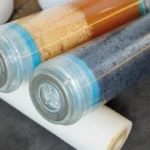
Activated carbon filters are also a common household solution for water purification. They adsorb contaminants onto their surface, trapping them within. Though less effective than membrane filtration in removing the smallest microplastic particles, they can capture larger ones and enhance water quality.
Reverse Osmosis Systems
Reverse osmosis (RO) systems are highly regarded for their ability to remove microplastics from drinking water. By forcing water through a semi-permeable membrane with pores smaller than microplastic particles, RO systems filter out these contaminants. This makes them a reliable choice for households and businesses seeking clean drinking water.
Ultrafiltration and Nanofiltration
Ultrafiltration (UF) and nanofiltration (NF) systems offer additional options for microplastic removal. UF has pore sizes from 0.01 to 0.1 microns, while NF ranges from 0.001 to 0.01 microns. These membrane filtration methods effectively trap microplastic particles, allowing clean water to pass through. Though not as efficient as RO systems, UF and NF are valuable in a complete water purification strategy.
Distillation and Sedimentation Techniques
Distillation and sedimentation are water purification methods effective against microplastics in drinking water. Distillation, though effective, is energy-intensive, limiting its practicality for home use. Sedimentation, using gravity separation, settles larger particles and can be part of multi-stage treatment for better microplastic removal.
Distillation heats water to its boiling point, vaporizing it and leaving impurities behind. The purified vapor condenses back into liquid. Though it removes many microplastics, it requires a lot of energy, making it less energy efficient for daily use.
Sedimentation, a more accessible water purification method, relies on gravity separation to remove larger microplastic particles. Water is allowed to settle in a tank, with heavier particles sinking and cleaner water staying on top. This method can be part of a multi-stage treatment for enhanced microplastic removal.
| Method | Removal Efficiency | Energy Efficiency | Practicality for Home Use |
|---|---|---|---|
| Distillation | High | Low | Low |
| Sedimentation | Moderate | High | High |
| Multi-stage Treatment | High | Moderate | Moderate |
Recent studies indicate water treatment plants can remove 70% to 80% of microplastics with coagulation and flocculation. By combining distillation and sedimentation in a multi-stage treatment, water purification methods can be optimized for energy efficiency and microplastic removal. This ensures safer drinking water for consumers.
Emerging Technologies in Microplastic Removal
The global plastic production is skyrocketing, with predictions of doubling in the next 20 years. This surge highlights the urgent need for advanced water treatment solutions. Innovations like electrochemical processes and biofiltration are leading the charge against microplastic pollution. They offer sustainable, efficient ways to cleanse our water sources of these harmful particles.
Electrochemical methods aim to break down microplastics at a molecular level. Studies have shown removal rates of 90-100% for certain microbeads using electrocoagulation. This technology uses electricity to target and degrade microplastics, making it a powerful tool for water purification.
Biofiltration, in contrast, relies on natural materials to capture and remove microplastics. Research indicates that coffee grounds can adsorb up to 74% of certain microbeads. Lysozyme amyloid fibrils have also been shown to significantly reduce turbidity and total organic carbon in water. These eco-friendly methods provide a viable alternative to traditional water treatment.
The University of Waterloo has developed a technology that removes 94% of harmful microplastics from water. This involves converting waste epoxy into activated carbon, which effectively captures nanoplastics. These tiny particles are a significant health risk due to their ability to penetrate cells.
As we strive for a sustainable future, integrating these emerging technologies into water treatment is essential. By investing in innovations like electrochemical processes and biofiltration, we can tackle the microplastic pollution crisis. This will ensure clean, safe drinking water for future generations.
DIY Solutions and Best Practices for Reducing Microplastic Intake
The growing concern over microplastics in drinking water highlights the need for consumer empowerment and water quality awareness. While advanced filtration and new technologies hold promise, individuals can take proactive measures to lower their intake. Simple, cost-effective DIY solutions and best practices are available.
Home Remedies for Reducing Microplastic Intake
Several home remedies can help reduce microplastic exposure:
- Boiling water, allowing it to cool, and then filtering it through a certified water filter
- Using activated charcoal to absorb microplastics
- Straining water through cotton cloth filters
These methods, though not as effective as advanced systems, can significantly cut down microplastic content in drinking water. Humans ingest about five grams of microplastics weekly, equivalent to a credit card’s weight. Every effort to minimize intake is valuable.

Maintenance and Replacement of Water Filters
Regular maintenance and timely replacement of household water filters are key for optimal microplastic reduction. NSF/American National Standards Institute-certified water filters, like the Aquasana AQ-5200 and Brita Elite, are tested to reduce microplastics. Yet, they cannot guarantee total elimination.
| Filter Brand | Certification | Replacement Interval |
|---|---|---|
| Aquasana AQ-5200 | NSF/ANSI-certified for most contaminants | Every 6 months |
| Brita Elite | NSF/ANSI-certified | Every 6 months |
Following the recommended filter lifespan and replacement schedule ensures consistent performance in reducing microplastics. Staying informed about local water quality reports and filtration technology advancements empowers consumers to make informed decisions about their drinking water.
By adopting these DIY solutions and best practices, individuals can take a proactive stance against microplastic pollution. This complements larger-scale efforts to ensure safer drinking water for all.
Innovative Approaches to Microplastic Filtration
The global plastic waste crisis is escalating, with 353 million tonnes generated in 2019. The urgency to remove microplastics from our water systems is critical. Researchers and innovators are exploring cutting-edge technologies and eco-friendly methods to address this issue.
Biodegradable filters made from natural materials like sand and plant-based fibers are gaining attention. These filters can be integrated into existing water treatment systems, providing a green alternative. The University of Waterloo’s research on activated carbon from waste epoxy shows a 94% efficiency in removing nanoplastics.
| Plastic Type | Source | Environmental Impact |
|---|---|---|
| Polyethylene Terephthalate (PET) | Plastic water bottles, fleece clothing | Contributes to nanoplastic pollution |
| Epoxy | Industrial waste polymer | Often ends up in landfills or water systems |
Advanced oxidation processes are another promising area. They use electrochemical reactions to break down pollutants. Research aims to improve efficiency and scalability for use in municipal facilities.
The urgency of addressing microplastic contamination is highlighted by alarming statistics. Nanoplastics, being a thousand times smaller, pose a significant health risk. The use of sewage sludge in agriculture in the U.K. adds to the problem, spreading plastic equivalent to 20,000 bank cards monthly.
A multi-faceted approach is needed to combat microplastic pollution. This includes eco-friendly water treatment, biodegradable filters, and advanced oxidation processes. By investing in research and collaboration, we can create a cleaner, healthier planet for future generations.
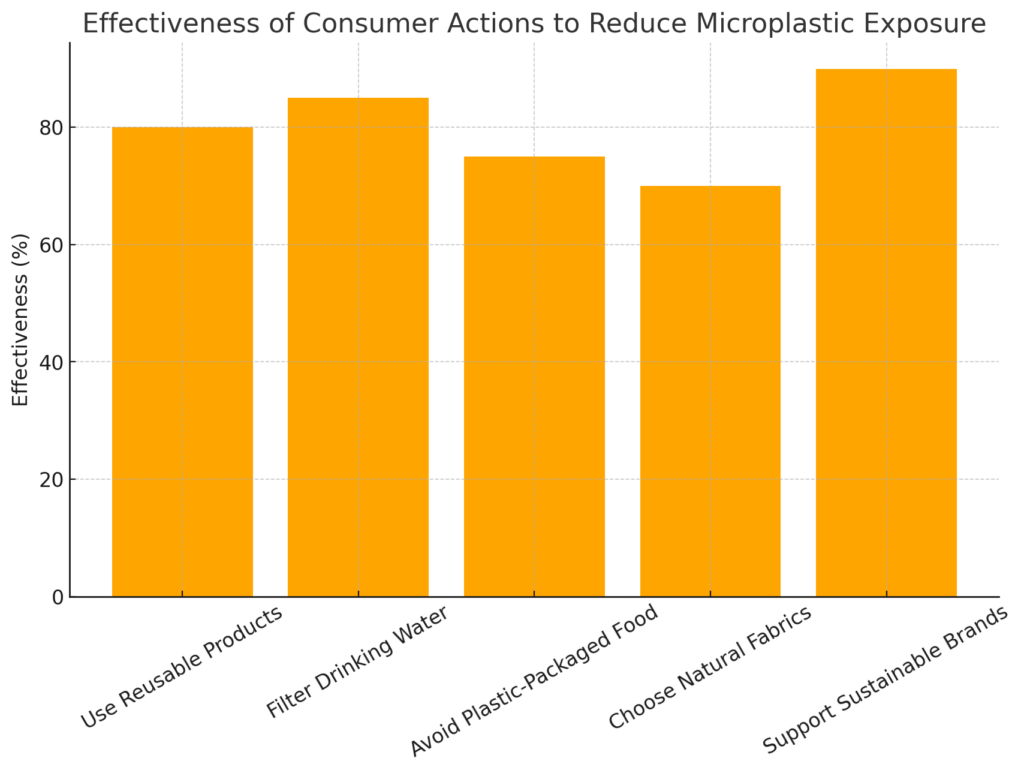
Consumer Choices and Lifestyle Changes
As consumers, we have the power to significantly impact microplastic pollution through our daily choices. By adopting sustainable consumption and choosing reusable alternatives, we contribute to plastic waste reduction. This shows our commitment to environmental responsibility.
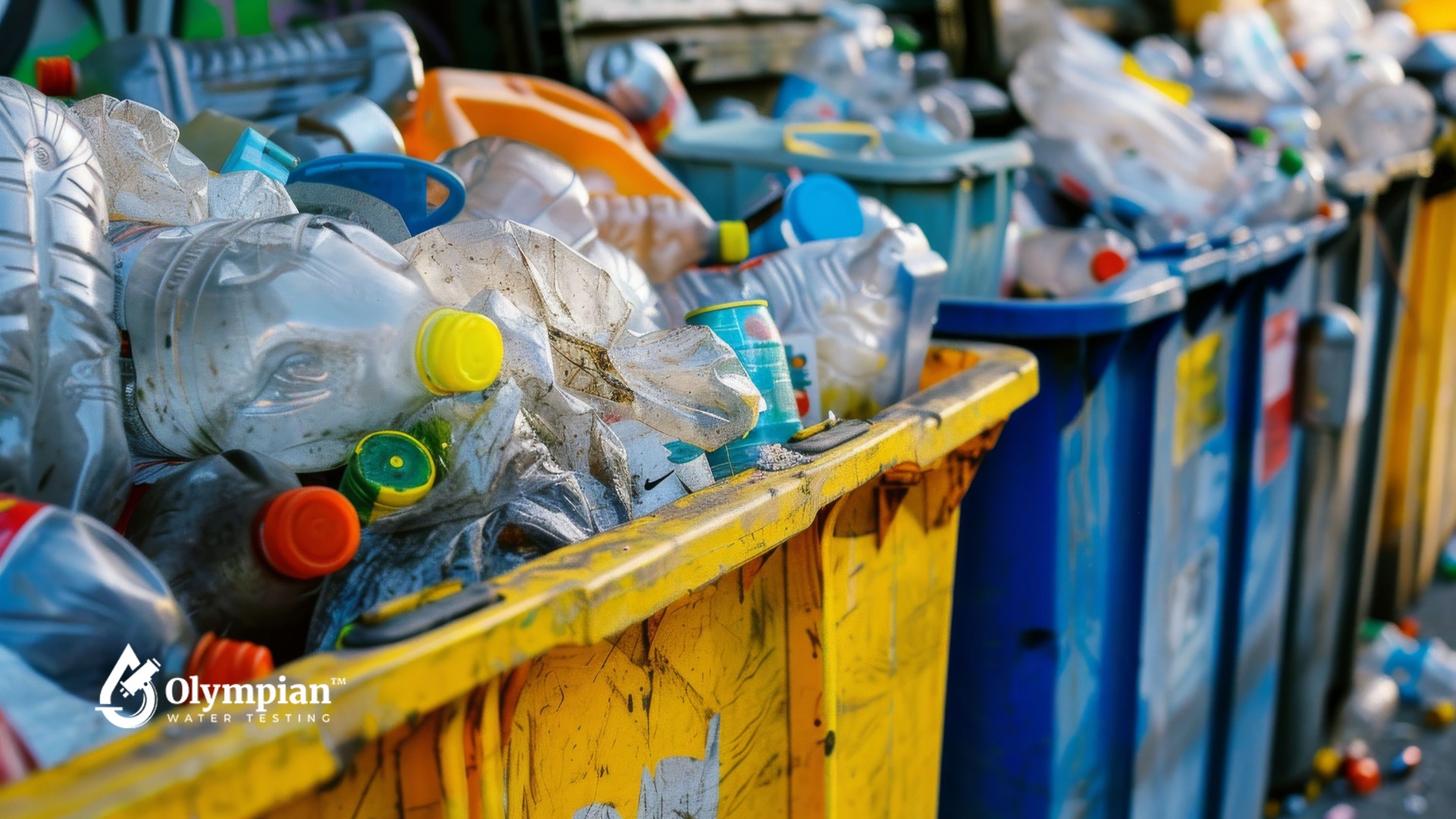
Switching to reusable products is a simple yet effective step. Invest in durable water bottles, shopping bags, and food containers. Did you know that about 136 billion milk jugs’ worth of plastic debris enter oceans annually? By choosing reusables, we can greatly reduce this number. Close to 20 billion plastic bottles are discarded yearly, underscoring the need for change.
Choosing products with minimal packaging and supporting sustainable businesses also helps. A significant 80% of marine plastic pollution comes from land, making our purchasing decisions critical. By choosing eco-friendly brands, we signal our preference for sustainable options to manufacturers.
Be mindful of the clothes you wear, as synthetic fibers like polyester and nylon contribute to microplastics. Each synthetic clothing wash can release about 700,000 microfibres into waterways. Opt for natural fibers like organic cotton, linen, and hemp. Using a microfiber-catching laundry bag or filter can also help prevent these particles from entering our water systems.
While individual actions may seem minor, their collective impact is significant. Half of all plastic is for single-use items discarded after use. By making informed choices and adopting eco-friendly habits, we can reduce demand for single-use plastics. This prevents microplastics from polluting our water sources. Remember, every decision we make matters in the fight against microplastic pollution.
Solutions for Eliminating Microplastics in Industrial Settings
As global plastic production is set to triple by 2050, microplastic pollution has become a critical issue. Industrial settings, like wastewater treatment plants and textile facilities, are key in preventing microplastic release. Advanced industrial water treatment technologies and best practices can significantly reduce microplastic pollution.
Wastewater treatment plants (WWTPs) are a major focus in combating microplastic pollution. Studies show that three WWTPs in the USA release 500–1000 million microplastics daily. A German plant releases about 3000 to 5900 microplastics per cubic meter of treated effluent. Upgrading WWTPs with advanced filtration technologies is vital. Tertiary treatment stages, such as membrane bioreactors (MBRs) and disc filters, can remove up to 99.5% of microplastics. The table below compares the effectiveness of various treatment methods:
| Treatment Method | Removal Efficiency |
|---|---|
| Pretreatment and Primary Treatment | 40.7% – 91.7% |
| Secondary Treatment (Activated Sludge, Sedimentation) | 28.1% – 66.7% |
| Membrane Biological Reactors (MBRs) | >99.5% |
| Conventional Activated Sludge (CAS) and Rapid Sand Filtration (RSF) | 75% – 79% |
The textile industry must also innovate to reduce microfiber shedding. Closed-loop manufacturing systems and low-shed fabrics can minimize microfiber release during production and washing. These manufacturing best practices are essential for pollution control efforts.

Wastewater Treatment Plant Upgrades
Upgrading wastewater treatment plants with advanced effluent filtration technologies is critical for capturing microplastics. Tertiary treatment stages, such as MBRs and disc filters, have shown high effectiveness in removing microplastics. The efficiency of microplastic removal depends on plant layout, influent attributes, and retention time. Optimizing coagulation and flocculation processes based on material attributes can also enhance removal rates.
Textile Industry Innovations to Reduce Microfiber Shedding
The textile industry can significantly reduce microplastic pollution by adopting innovative solutions. Closed-loop manufacturing systems recycle water and materials, minimizing microfiber release. Low-shed fabrics, engineered to reduce fiber shedding during washing, can further reduce environmental impact.
Implementing these solutions in industrial settings can effectively prevent microplastic pollution. Collaboration between industries, governments, and research institutions is key to drive innovation and adopt best practices in industrial water treatment and pollution control. Through collective efforts, we can protect our waterways and ecosystems from microplastic pollution.
Biodegradable and Compostable Plastics as Alternatives
The world faces a significant challenge with microplastics in drinking water. Eco-friendly materials, such as bioplastics, are being explored as solutions. These plastics, made from renewable sources like starch and cellulose, are a greener option than traditional plastics. By using these materials, we can help reduce microplastic buildup in water and support a circular economy.
The success of biodegradable plastics in reducing environmental harm depends on several factors. Proper disposal and composting infrastructure are key. Research indicates that the emissions from biodegradable plastics can vary greatly. For instance, PHB’s GWP at 10 µm is about 8 times higher than PLA’s. Also, nearly half of all plastics are single-use, and few industrial composters in the U.S. accept compostable packaging.
To maximize the benefits of biodegradable plastics, we need to invest in effective composting systems. It’s also essential to ensure these plastics break down without leaving behind harmful microplastics or nanoplastics. Consumers and businesses must embrace sustainable packaging and support a circular economy. Together, we can make a significant difference and ensure a cleaner, healthier future for all.
FAQ
What are microplastics, and where do they come from?
Microplastics are tiny plastic pieces, under 5mm, from broken-down larger plastics, synthetic fabrics, and personal care items. They’re divided into primary, made small, and secondary, from larger plastic breakdowns.
How do microplastics enter the human body, and what are the possible health risks?
Microplastics can get into our bodies through contaminated water. They carry harmful chemicals and pollutants. Research shows they might cause cell stress and inflammation. But, more studies are needed to fully understand their long-term health effects.
Do bottled water and tap water contain microplastics?
Yes, studies show bottled water often has more microplastics than tap water. The way bottled water is made and the materials used can introduce these tiny particles, questioning its purity.
Are there regulations on microplastics in drinking water?
Most countries don’t have specific rules for microplastics in water yet. But, global bodies are starting to take action. The European Union and the U.S. Environmental Protection Agency are looking into policies and the Safe Drinking Water Act.
How can I test my water for microplastics?
Testing involves collecting a sample, filtering, analyzing, and quantifying it. You can use home kits or professional labs for this.
What are some advanced filtration methods for removing microplastics from drinking water?
Methods like activated carbon filters, reverse osmosis, ultrafiltration, and nanofiltration can remove microplastics. These technologies can filter out particles as small as 0.01 and 0.001 microns.
Are there any simple, cost-effective methods for reducing microplastic exposure at home?
Yes, you can reduce exposure by boiling water, using activated charcoal, and straining with cotton filters. It’s also important to stay updated on water quality, filtration tech, and to regularly replace filters.
What role do consumers play in reducing microplastic pollution?
Consumers can help by choosing reusable products, minimal packaging, and supporting sustainable businesses. Making eco-friendly choices can reduce single-use plastic demand and prevent microplastic pollution.
How can industrial settings and wastewater treatment plants reduce microplastic pollution?
Upgrading treatment plants with advanced filters can cut down microplastic release. In textiles, using closed-loop systems and low-shed fabrics can minimize microfiber release during production and washing.
Are biodegradable and compostable plastics a viable solution for reducing microplastic pollution?
Yes, biodegradable and compostable plastics from renewable sources are a better option than traditional plastics. They can reduce microplastic accumulation in water. But, proper disposal and composting infrastructure are key for effective breakdown.