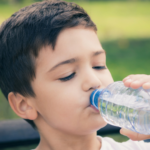

Overview of Albuquerque’s Water Quality
Tap water in Albuquerque is meticulously monitored and adheres to stringent safety standards. It serves as the primary source for cooking, cleaning, and drinking for many residents. Despite efforts to minimize water contamination, trace elements may remain.
Federal and state regulations set strict limits for various substances. These rules mandate regular testing for chemicals, metals, and other hazards in public water sources. Facilities must identify risks and adjust treatment processes to prevent problems.
Federal and State Regulations
The Safe Drinking Water Act mandates standards for pollutants like lead, copper, and arsenic. New Mexico agencies add an extra layer of oversight, protecting vulnerable areas and ensuring compliance. This combined effort ensures a reliable water supply for residents.
Local Utility Oversight
The Albuquerque Bernalillo County Water Utility Authority (ABCWUA) conducts thousands of lab tests annually. These tests often exceed official standards, showing a proactive stance against water contamination. While no system can remove every substance, the program remains committed to maintaining high water quality.
Key Minerals Found in the Water Supply
The area’s water comes from the San Juan-Chama Project and local groundwater. This blend contains minerals that affect the water’s quality. Calcium and magnesium, for instance, can alter taste and hardness.
Some minerals, like arsenic or copper, are present in certain areas. The Albuquerque Bernalillo County Water Utility Authority oversees these levels. Labs use licensed methods to ensure the water meets safety standards.
“Regular screening keeps the water supply in line with public health guidelines.” — Environmental Protection Agency (EPA)
Minerals like calcium and magnesium can be beneficial in small amounts. They support bodily functions and add a subtle flavor. For extra safety, consider home filtration. Those who prefer softer water can explore treatments that balance mineral levels.
- Calcium for possible bone support
- Magnesium for healthy nerve activity
- Arsenic monitored under strict caps
Is tap water in albuquerque Safe for Consumption?
City officials adhere to strict guidelines to maintain water quality. Many neighborhoods have reliable water supplies. Yet, certain contaminants can appear in the system. Studies indicate that levels are within legal limits, but some advocacy groups express concerns about contaminants exceeding their recommended levels.
Common Contaminants to Know
Arsenic, chromium-6, haloacetic acids, nitrate, and trihalomethanes are sometimes found in tap water in albuquerque. These contaminants often come from natural deposits and disinfection processes. While levels are usually below federal thresholds, individuals with sensitive health conditions should exercise extra caution.
Filtering and Boiling Tips
In-home treatments can effectively target many of these pollutants. Reverse osmosis systems and activated carbon are among the best water filters for Albuquerque. They can trap arsenic and reduce byproducts from disinfection. Boiling water can also lower biological contaminants. It’s important to check the specifications of each system to understand its effectiveness.
Potential Health Concerns to Consider
Young families and long-time residents in Albuquerque often question the presence of metals and disinfectants in tap water. Older homes may have pipes containing lead, and water may include chlorine for safety. Testing and planning are essential to address any concerns.
Lead and Copper Levels
Many older homes have plumbing that can leach lead or copper into the water. Local data shows lead levels are below the Environmental Protection Agency’s maximum limit. This reduces the risk of harmful buildup. The Albuquerque Bernalillo County Water Utility Authority offers guidance on testing and replacing outdated pipes.
Substance | Likely Source | EPA Limit | Local Levels |
Lead | Old Plumbing | 15 ppb | Below Action Level |
Copper | Metal Pipes | 1.3 mg/L | Under Limit |
Chlorine Residuals
Chlorine is a common disinfectant that prevents bacterial growth. Some people find it dries their skin or alters the taste of water. Water hardness in Albuquerque can also affect these outcomes, as minerals interact with treatment methods. Those looking to reduce chlorine levels often turn to home filtration or aeration to keep water fresh.
Does Albuquerque’s Tap Water Taste Different?
Many residents find that tap water in albuquerque has a clean profile with subtle variations. These nuances often come from blending surface water with deeper underground sources. This blending introduces mild mineral notes. Some people notice a faint chlorinated aftertaste, yet most describe the water as refreshing.
The Albuquerque Bernalillo County Water Utility Authority (ABCWUA) states that ongoing treatment helps protect flavor while keeping safety at the forefront. The region’s mix of surface flow and aquifer withdrawal contributes to a taste that can differ from bottled alternatives. Regular testing means the water remains reliable, though individual palates might pick up slight differences.
Factor | Possible Impact |
Minerals | May add a light earthy or metallic note |
Chlorination | Can impart a faint chemical hint |
Water Source Mix | Creates unique taste from surface and groundwater blend |
Maintaining Safe Drinking Water at Home
Many residents depend on Albuquerque’s water supply for daily needs. Making small changes can help keep water quality high, even with tap water in Albuquerque.
Regular checks on fixtures and careful practices can cut down on unwanted contaminants. Looking into plumbing issues might reveal simple solutions. This way, homes can keep water standards healthy.
Regular Faucet Flushing
Water sitting in pipes can pick up metals or residue. Flushing faucets briefly lets in fresh water, replacing the old. This is beneficial in the morning or after a long break.
Water Softening Options
High mineral content can lead to buildup on appliances and fixtures. Softening units remove excess minerals, protecting equipment and reducing spots. Keeping these systems in good condition ensures consistent water quality.
Method | Primary Benefit | Potential Drawback |
Faucet Flushing | Clears stagnant water | Increases short-term usage |
Water Softener | Minimizes mineral scale | Ongoing maintenance required |
Understanding Water Hardness and Softness
Across the region, residents face mineral-rich water from aquifers and the San Juan-Chama surface project. Many tap water users in Albuquerque experience moderate to high hardness. This leaves scale in sinks and raises concerns about water contamination. Yet, hardness alone does not confirm contamination.
The buildup of limescale is a common issue. It occurs when calcium and magnesium levels meet heat or evaporation. Homeowners seek professionals for advice on water-softening options. They aim to reduce sediment and protect their plumbing.
Effects on Appliances
Limescale builds up inside clothes washers and dishwashers. It reduces efficiency and shortens the life of parts. Regular cleaning and descaling agents can help extend appliance life in mineral-heavy water areas.
Impact on Skin and Hair
Hard water can make skin feel dry or tight. Hair products may not lather as expected. Using gentle shampoo or conditioner can help. A home filtration unit offers further relief from daily mineral exposure.
Sustainability Efforts in Albuquerque’s Water Supply
Water 2120 emphasizes careful planning, focusing on conservation, aquifer storage, and recycling of non-potable water. This strategy acknowledges Albuquerque’s arid environment. It ensures tap water remains available for future generations.
The city’s leaders invest in infrastructure, including aquifer recharge projects. These initiatives store water underground, making it more reliable. They also reduce the impact of droughts. Outdoor water use guidelines encourage residents to reduce lawn watering and choose desert-friendly plants.
These efforts are part of a larger conservation campaign. It shows how individual actions can contribute to the community’s water security. By making responsible water choices, Albuquerque residents help maintain access to tap water, even during dry periods.
- Encouraging drought-resistant landscaping
- Capturing urban runoff to replenish aquifers
- Reusing select non-potable supplies
- Lowering peaks in summer water demand
Sustainability Strategy | Key Benefit |
Conservation | Maintains safe drinking water in Albuquerque through reduced usage |
Aquifer Storage | Cushions water reserves for long-term reliability |
Recycling Non-Potable Water | Offsets demand on critical sources and reduces waste |
Alternatives to Drinking Tap Water
While many in Albuquerque find tap water satisfactory, others seek alternative sources. Some opt for bottled water, while others choose to install home filtration systems. These options aim to address concerns about tap water quality.
Bottled Water Choices
Bottled water offers convenience but comes with environmental and financial costs. Brands like Fiji or Evian may appeal to those desiring extra purity. It’s important to note that all bottled water must adhere to federal standards. Yet, the clarity and detail of labels can vary significantly.
Home Filtration Systems
Home filtration systems provide peace of mind. The most effective systems employ advanced technologies like carbon blocks or reverse osmosis membranes. These methods are designed to remove contaminants such as arsenic or chromium-6. Certified systems are essential for tackling pollutants that may be present in older plumbing systems.
Each system requires a maintenance schedule, and some can even reduce radium levels over time. Choosing the right system is critical for ensuring clean drinking water at home.
Local Public Perception and Ongoing Initiatives
Recent polls show a shift in how Albuquerque residents view tap water. The American Water Works Association conducted a study. It found that most people trust their water utilities, but some groups remain skeptical. Scientists are among the most trusted, highlighting the importance of clear communication about water quality.
A University of Iowa survey revealed that many newcomers in the Midwest prefer bottled water. This preference stems from past experiences with boiling groundwater. Leaders see this as an equity issue, as bottled water is more expensive for families. Addressing these concerns through inclusive outreach and regular updates is key.
“Local water utilities play a vital role in building trust and ensuring everyone feels safe turning on the tap,” stated a national advocate.
In Albuquerque, community programs focus on regular testing and free lead screenings. They also hold open forums. Some initiatives target water hardness, aiming to reduce appliance buildup and improve taste. The ABCWUA works with residents to share information on water security programs, boosting public confidence.
- Advanced treatment facilities to reduce mineral content
- Neighborhood sessions for feedback
- Frequent water analysis to meet safety standards
Final Word on Albuquerque’s Drinking Water
Residents in this city can rely on local efforts to keep overall water quality in line with health-based standards. Routine checks show that tap water in Albuquerque meets legal requirements. Many homes benefit from regular monitoring.
Staff at the Albuquerque Bernalillo County Water Utility Authority (ABCWUA) gather data throughout the year. They watch for new or changing contaminants. This level of attention supports confidence among those who depend on the municipal supply.
Public awareness remains important. Some older pipes create risks that might call for extra testing or home filtration. People living in neighborhoods with aging infrastructure often stay proactive to protect household water quality.
Maintaining sustainable water sources is a top community priority. Small actions like checking faucets and verifying plumbing upgrades help add layers of caution. With strong oversight and ongoing improvements, Albuquerque shows continued commitment to safe, reliable water for today and tomorrow.
FAQ
Does Albuquerque’s tap water meet federal guidelines for safety?
Albuquerque’s tap water consistently meets the Safe Drinking Water Act standards. The Albuquerque Bernalillo County Water Utility Authority (ABCWUA) oversees local testing. This ensures the water supply remains compliant with EPA guidelines.
Which contaminants are commonly monitored in Albuquerque’s drinking water?
Albuquerque tests for arsenic, lead, copper, chromium-6, and disinfection byproducts regularly. The city publishes an annual Water Quality Report. This report details the results of these tests, keeping residents informed.
Why might tap water in Albuquerque sometimes have a distinct taste or smell?
Chlorine used for disinfection can give water a taste or odor. Albuquerque’s water blend, including aquifer and surface water, contains minerals. These minerals, like calcium and magnesium, can affect taste but are safe at regulated levels.
How can homeowners reduce certain contaminants if they remain concerned?
Homeowners can use activated carbon filters, reverse osmosis systems, or boil water to reduce contaminants. These methods are effective, even for older plumbing that may increase lead or copper levels.
Does Albuquerque’s water hardness affect household appliances?
Yes, hard water can lead to limescale buildup in appliances. Installing a water softening system or regular descaling can prevent mineral deposits.
Are there ways to minimize metal buildup from older pipes?
Regular faucet flushing can help. Let the tap run for a short time before use. This clears out water that may contain higher levels of lead or copper.
What about alternatives if someone prefers not to drink tap water?
Bottled water is an option, but it’s expensive and generates plastic waste. Home filtration systems offer a cleaner alternative without the need for disposable bottles.
Does Albuquerque invest in long-term sustainability for its water supply?
Yes, the Water Authority invests in infrastructure, aquifer storage, and water conservation. These efforts address drought vulnerabilities and ensure a reliable water supply for future residents.
Where can residents find detailed water quality information?
Residents can find detailed water quality information on the ABCWUA’s website, local libraries, and government offices. The annual Water Quality Reports provide a detailed overview of testing results and ongoing improvements.